To a Manayunk restaurateur, it's like 'juggling a bowling ball and a ping-pong ball at the same time'
In his 29 years owning a restaurant on Main Street in Manayunk, you might think that Bruce Cooper had seen it all. Until July 17, 2016.
A 4:30 a.m. phone call from the tenants of the apartments above his restaurant informed him that water from a ruptured city main was shooting out of the sidewalk — followed by a call from the Fire Department, asking, "Are you the owner of Jake's restaurant? We need to get into your building."
When he got there, he said, "everything I worked for was under water."
Six months later, Jake's & Cooper's Wine Bar reopened at 4365 Main St.
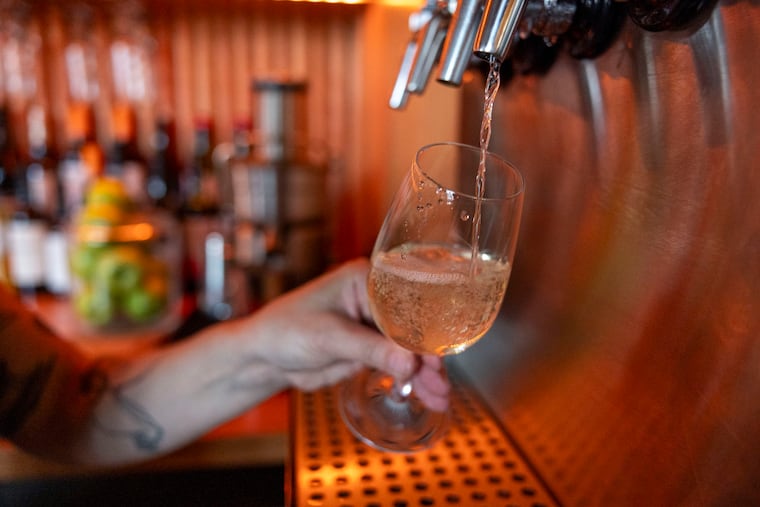
I sat down with Cooper in the dining room of the Jake's side — stylish but less stuffy than in the old days, when it was a white-tablecloth restaurant. Nine years ago, he bought the building next door and opened Cooper's Wine Bar. The two sides now also share a menu, an overall more casual approach, and the name Jake's & Cooper's Wine Bar.
When did you open?
Black Monday, Oct. 19, 1987. It was actually a pretty good day, all things considered. I didn't know the world was crashing until a week later.
How did you go from chef to restaurateur?
I had been looking to buy a restaurant, and every restaurant that was for sale was losing money and my accountant would pull me away by my collar. They didn't teach us that in culinary school — how to open a restaurant. I learned how to run one as I went along. The people on the street embraced us. Then I had this one birthday party for a Main Line couple. Literally after that, I think, every person that was here went out and told 20, 50 people. It just changed things.
When did you expand next door?
We opened that at another financial crisis time, 2008. The economy was horrible. The owner of the building couldn't rent it, so we went back and forth. I had to keep saying no to get what I was hoping for, and it came. It wasn't an inexpensive price, but it was manageable. We had a tough economy with a white-tablecloth restaurant. With the lower price point, next door was a success the very first weekend.
When did you get the idea to merge the two?
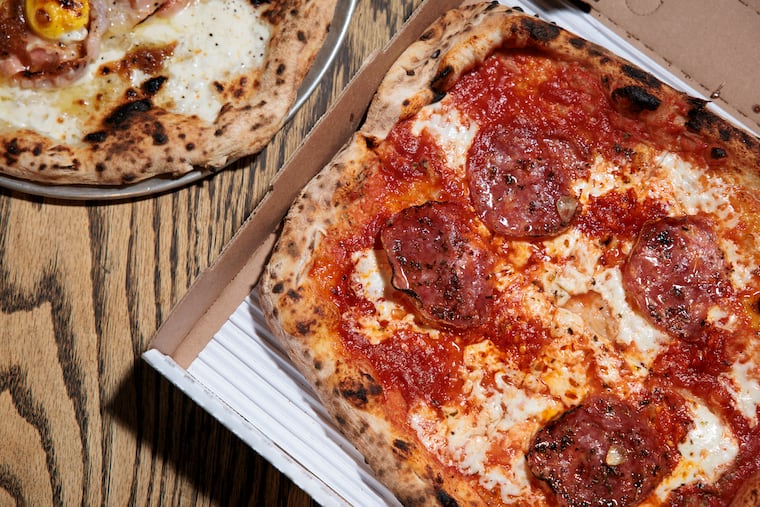
It was actually my mother who was sitting in Cooper's. She said, "Well, I don't want pizza." That's when we realized, "OK, 20 percent of the people that were in Jake's wanted pizza and 20 percent of Cooper's didn't care." About a year later, we just pushed everything together on one menu. It's a different dining experience.
Compare the food you serve now to what you were serving back then.
Before, it was simple. People ate an appetizer. They ate an entrée, and they would share a dessert. It changed to people eating more casual, wanting more casual. By having more seats, I don't really worry about whether someone is having an appetizer or an entrée. Now, people order what they want to order. They want three appetizers or two to eat, and it's easier in this format because we're a larger restaurant.
How has that impacted staffing?
Well, your check average just dropped pretty significantly, but your volume is up. It took more to understand how to get it to work in the kitchen because now you're not just juggling 10 entrees. You're juggling, I think, nine entrees with all the other things that come with it. The pizzas, the side dishes. Everyone wants cheese. People eat any way they want now. You're juggling a bowling ball and a ping-pong ball at the same time.
Now let's talk about the morning of the flood.
That ride was a pretty scary ride. Everything you worked for is under water. I was just driving as fast as I could drive. I walked across the sidewalk and it was actually crumbling. I shouldn't have even been on it. It was actually falling beneath my feet. Then I came to the door and the water was to the rafters. The refrigerator was floating. Water broke through below the windows all the way down to the basement. Then, basically, when they took the sidewalk apart, the front of the building started to fall off because it was sitting on the sidewalk. That's when I realized, "This is going to be a little bit longer of a dance than that." The first person I called was my insurance agent. He goes, "Don't worry. You're fully covered." Having business-interruption insurance saved the day, otherwise ... I don't know what I would have ended up doing because you can't pay your bills without the interruption insurance. It was the middle of the summer, so it was ungodly hot. It took a week to get the food out of there and it was pretty bad. It took six weeks to clean. I had them come back three times because it was a foot of mud in there after they pumped the water out.
What have you learned over the years?
I'm probably a lot calmer than before, you know? Having the experience of running a restaurant this long ... It makes things much easier. When you're opening a restaurant, it's hard because you're just wondering if you're going to succeed. After you get to a certain point, then you're thinking, "Well, how much longer can you do this?" One thing I've learned is to keep things consistent. In the business, this is the most important thing. That's why people are coming back, and why I keep what they want on the menu. It's funny. In the beginning, people were calling for happy hour. Now I have the old-school types calling, "Is your liver still on the menu?" There's nowhere else they can get it.
How many more years do you think you'll do this?
I guess I have in my head until I'm 70. I'm 62. I have a great staff. I like coming to work, you know? I've been offered money for the business. I was offered a large number to sell the place last year. Even if I wanted to move to the beach — which I would love to be at some kind of a warm beach — I would still have to figure out something else to do.