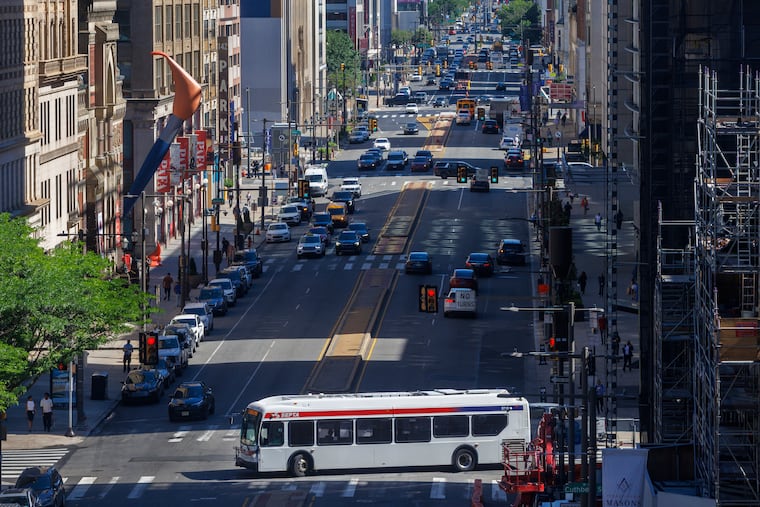
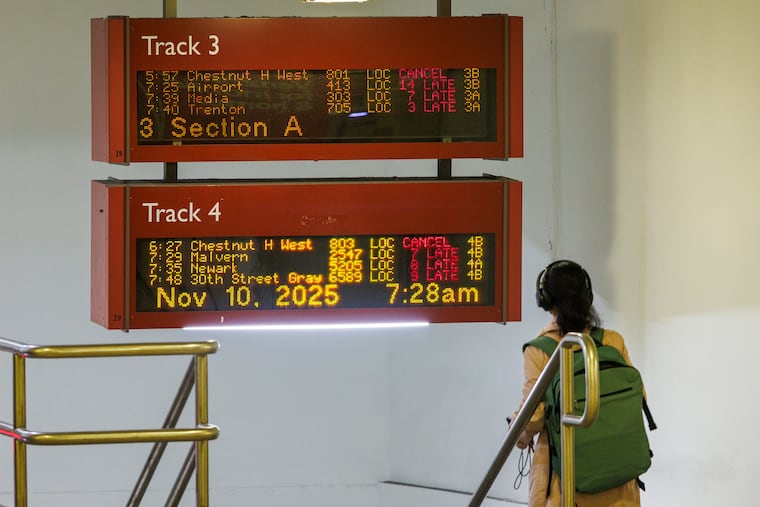
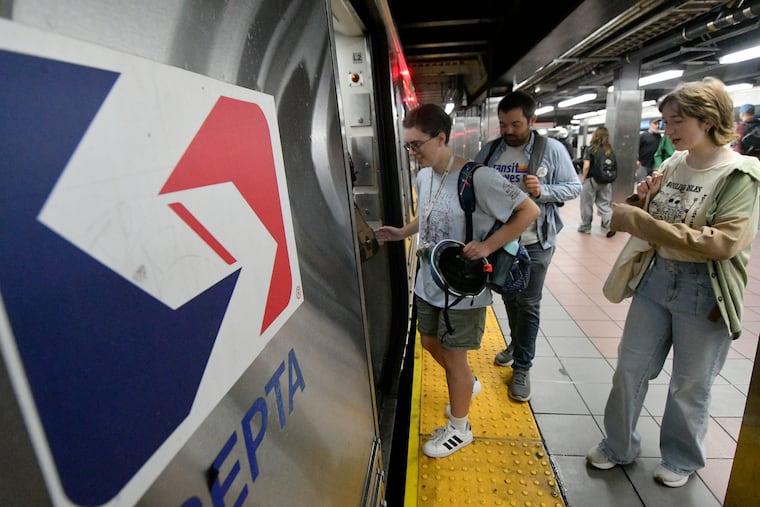
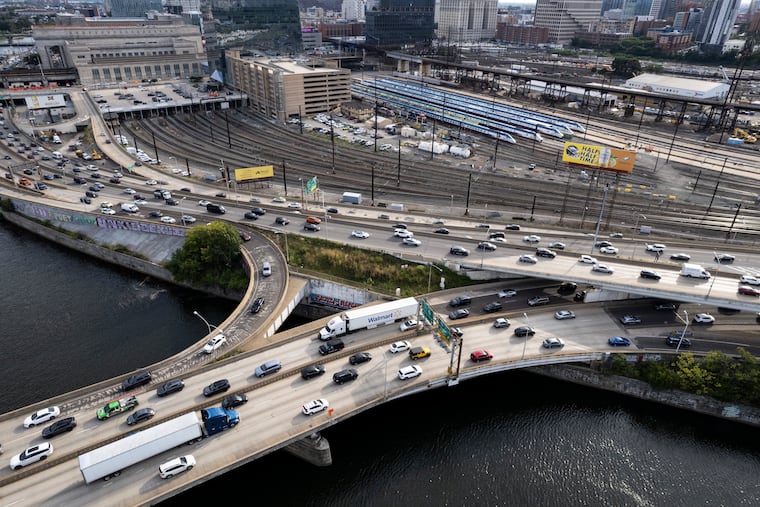
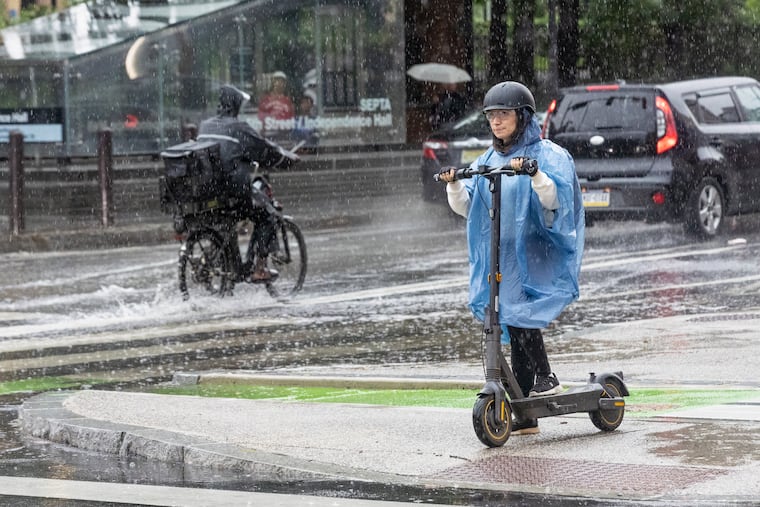
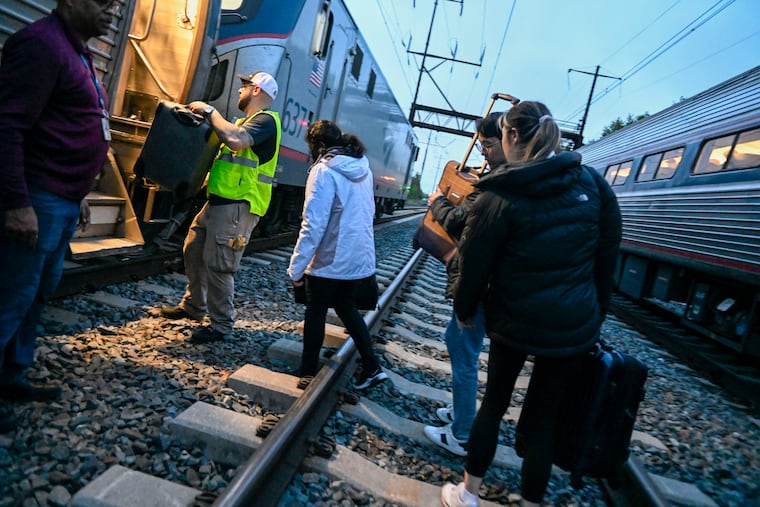
As Philadelphia scrambles for a ride during the SEPTA strike, the big winners have included Uber and Lyft.
UberX and UberPool reported a 41 percent increase in rush-hour passengers Tuesday compared with a week earlier. Uber's carpooling service accounted for 38 percent of all rush-hour trips Tuesday, the company reported Wednesday, compared with 25 percent the previous Tuesday. Lyft reported a 46 percent increase in rides Tuesday compared with Monday, the day that SEPTA buses, trolleys, and trains last ran. The strike's silver lining wasn't reserved just for the ride-hailing apps. Taxis also saw a spike in business, said Ron Blount, president of the Taxi Drivers Alliance of Philadelphia. The strike coincided with the rollout of 15 Toyota Camry cabs that had no partitions and internal cameras, changes made possible by regulations relaxed by the Philadelphia Parking Authority last month, said Everett Abitbol, Freedom Taxi Service's owner.
Uber and Lyft, unlike cabs, increase prices in response to added demand, and rush-hour travelers noticed.
The Inquirer monitored Uber’s pricing every half-hour Tuesday and Wednesday for a ride from Eighth and Market Streets to Jenkintown with data provided directly from the ride-sharing company’s servers. Prices surged as high as 2.5 times the normal rate during rush hour.
The ride-hailing businesses were serving people this week who may not use them under normal circumstances, and although Uber would not discuss how Tuesday's rush-hour prices compared with rides at the same time during normal circumstances, UberX drivers said the price multiplier of 2.5 wasn't far afield from surge pricing during any normal rush hour. Several drivers said a rush-hour ride double the base rate isn't unusual in Center City. They also predicted that they would benefit as the strike dragged on. City residents will run out of people they can bum rides from, said Mike Davis, who has driven for UberX for three months.
"Demand for Uber will really pick up," he said, adding, "because they won't have many choices."
Tuesday's prices were worse than Wednesday's, though. The Market Street-to-Jenkintown fare at 5 p.m. Tuesday was $42 to $56, a little more than twice UberX's base rate. The same trip at the same time Wednesday was $28.38, just 1.2 times the base rate.
The difference, Uber said, could be a factor of demand or the number of drivers available in the area of Eighth and Market Streets.
Uber said surge pricing is a tool to incentivize drivers to provide service in an area where demand is high. More drivers mean faster response times to calls for rides.
Uber responded to the strike by making its carpooling service available in the counties surrounding Philadelphia for the first time. That service is subsidized by the company to keep rides cheap.
"Our priority is to ensure access to reliable rides," Uber spokesman Craig Ewer said, "and dynamic pricing is our most effective way of getting drivers onto the road and into the places they're needed most."
While some passengers took to Twitter to complain, at least one, Temple student Gaby Combs, grudgingly accepted it.
"The prices are fair," she said. "I just wish I didn't have to use Uber because I prefer public transport."
While the strike is clearly good for Uber and Lyft, the public may never know exactly how much the businesses made while SEPTA was out of service. Both businesses are not currently paying taxes that would give insight into their revenue (and be a boon to the Philadelphia School District), because a bill passed by the Pennsylvania General Assembly last week to regulate and tax the industry has yet to be signed into law. That is scheduled to happen Friday.