Wine grapes in black and white
Marnie explains that noir and blanc dont really refer to the actual color of the grape.
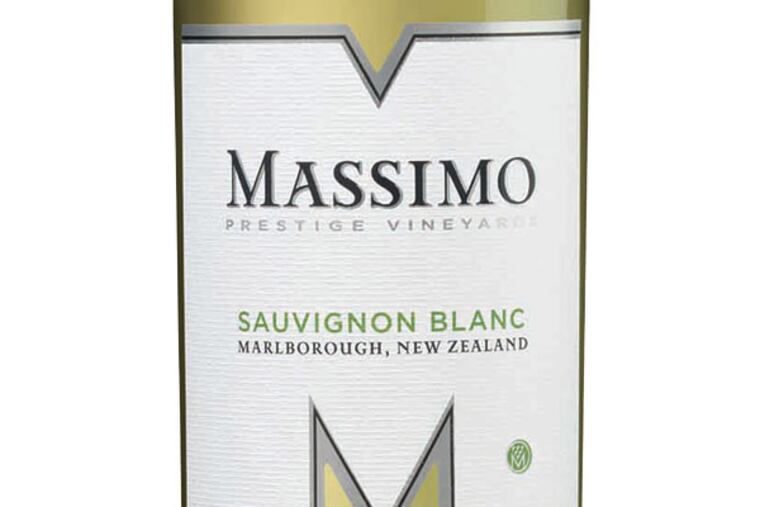
B UZZ: I had enough French in high school to know blanc means white. But grapes, like sauvignon blanc, are green. Shouldn't it be sauvignon vert?
Marnie: That's a good question, Buzz. Green wine grapes likely weren't dubbed "white" because they look white but to emphasize their contrast with purple grapes, which are so dark they look black on the vine.
Buzz: So, you're saying winemakers think in black and white?
Marnie: I guess they must, since that's how they historically named grape varieties in Europe. Relatively few wine grapes reference the color black in their title - pinot noir is the best example - but that's probably because dark grapes were the norm. It's the paler grapes that are the exceptions to the purple fruit rule.
Buzz: Like my sauvignon blanc.
Marnie: Yes, and garnacha blanca. Those that fall between black and white, with a dusky reddish color, are often called "gray" grapes, as with pinot grigio.
Buzz: Sounds like old-time winemakers were color blind. Why were purple and red grapes considered more normal than green ones?
Marnie: Well, biological research into the species of grape we use to make wine shows that all vitis vinifera grapes were originally purple.
Modern varieties that are not purple arose through mutations, most likely when people bypassed normal pollination by planting cuttings instead of seeds. This is a crude form of cloning, so the results are inherently unstable genetically - hence the proliferation of mutant vines.
Buzz: So, green grapes were mutants? They're not also teenage ninjas, are they?
Marnie: Um, no. There are two genes that give grapes color, like a deep purple on/off switch. If both of these gene switches are flipped off, the grapes will not develop purple color as they ripen. They will stay green, the same color as the vine leaves and stems.
When only one of these genes is flipped off, the grape skins lighten significantly, yielding a reddish color similar to the red table grapes we eat.
The reason farmers valued green grapes was that they could grow in colder places. The compounds that give grapes dark color take a lot of sunshine and heat energy to produce. Green wine grapes made winemaking possible in chilly places like northern France, northern Italy and Germany.
Buzz: The next time I'm in the wine store, I'll be drawing a blanc.
Marnie Old is a local sommelier and wine author known for practical advice with real-world relevance. Her newest book, Wine: A Tasting Course, is an illustrated crash course for the wine-curious. Marnie also advises clients in the beverage and restaurant trades. Check her out at MarnieOld.com or follow her on Twitter at @MarnieOld. Buzz's musings are interpreted by Daily News Assistant Managing Editor Gar Joseph.