Capturing the vote
Scene Through the Lens with photographer Tom Gralish.
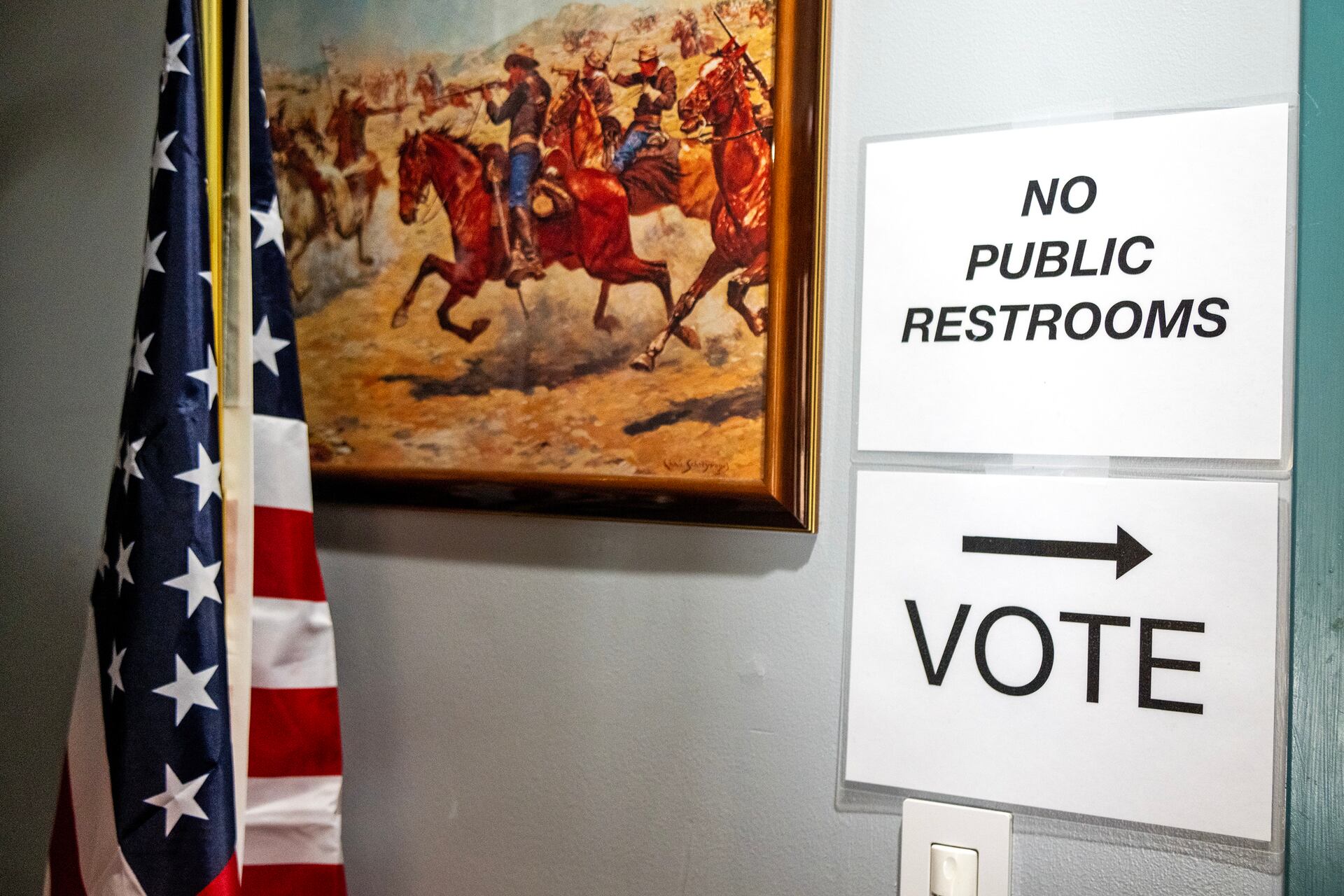
Tuesday was Election Day, and New Jersey was one of only two states with off-year gubernatorial races nationwide this year, so in the morning I went there to photograph voters.
Local and state laws regarding photography at the polls vary widely. Every state has their own rules. Some even prohibit “ballot selfies” although court cases have found a First Amendment right to take them.
For many years it was a staple of Election Day news coverage: photographers were invited into polling places by candidates who, having lived in the neighborhood and voted there often, knew everyone inside. They and their families were filmed walking in, chatting with all the workers, going into the booth — then pausing at the open curtain as a phalanx of TV lights and camera flashes captured their “thumbs up.”
But in recent years concerns about election security have kept those kind of photo opportunities outside the building.
For the past few elections in New Jersey I have applied in advance for a “challenger certificate” issued by a county’s Board of Elections. It is authorized by the same statute that permits poll watchers — people appointed to observe the election on behalf of a candidate or political party — to be in the polling place.
But even with proper “papers,” common sense and courtesy are key, as in most public places I photograph. After checking in with poll officials — who are usually friendly and welcoming — I avoid disrupting the voting process, as I never want anyone to think I am infringing upon the privacy of their ballot.
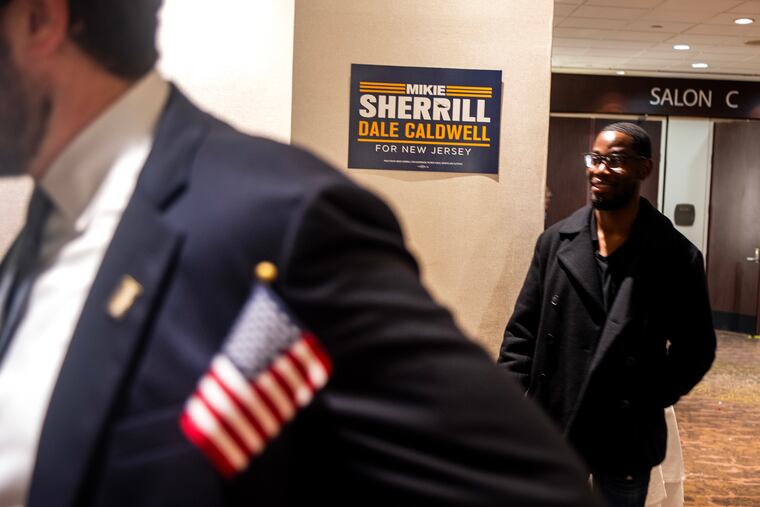
After an early dinner, I headed north to East Brunswick for the election night party for U.S. Rep, Mikie Sherrill, the Democratic candidate for New Jersey governor.
But up until a winner is declared, it’s just a lot of waiting, and worrying. Where should I go? On the riser, among the crowd or near the front? Do I use a flash? What white balance do I set for the colored spot lights? Will the victory/concession speech happen before deadline? Will my wifi work? I see a confetti cannon; which way will it shoot, and when?
There is nothing like the kind of nervous excitement that only election night can bring. As the time approaches when the polls close, supporters move through the buffet, hit the bar and the chatter of shoulder-to-shoulder conversations fills the packed hotel ballroom. It’s an atmosphere mixing optimism, tension, and energy. And adrenaline for journalists covering it all.
Especially me.
It wasn’t long before Democrat Abigail Spanberger was declared the winner in the Virginia governor’s race and in the hotel in East Brunswick Sherrill’s supporters were seeing return numbers for their candidate that were even better. By the time they were watching Spanberger on the big screens walking out on stage saying, “tonight, we sent a message,” they all knew it wouldn’t be long before New Jersey’s new governor would be in front of them.
Meanwhile, I had decided to be inside the buffer — the small clear area between the stage and the crowd. I had talked with the campaign earlier and even signed their form promising I would only kneel or crouch. And I set my camera’s white balance on “auto.”
All that remained was to figure out which side to the stage I would work from (preliminary speakers entered from both sides). Even the campaign staffer working the buffer didn’t even know. I guessed correctly. Her husband and children entered from the left, introduced her, and she followed.
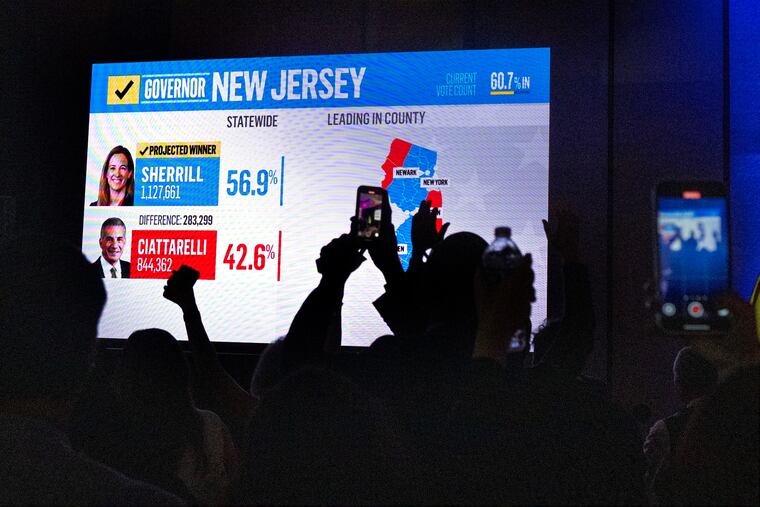
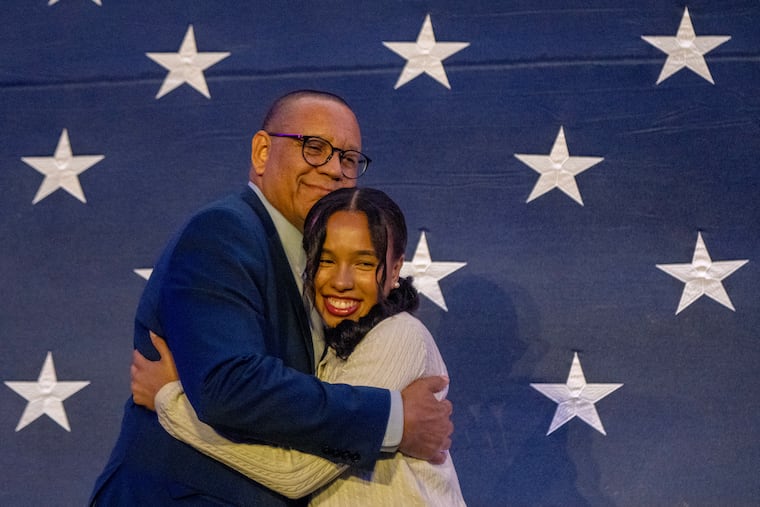
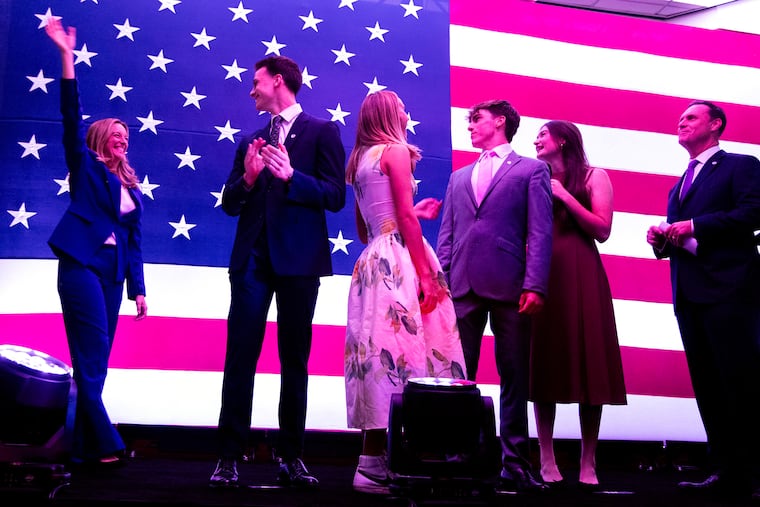
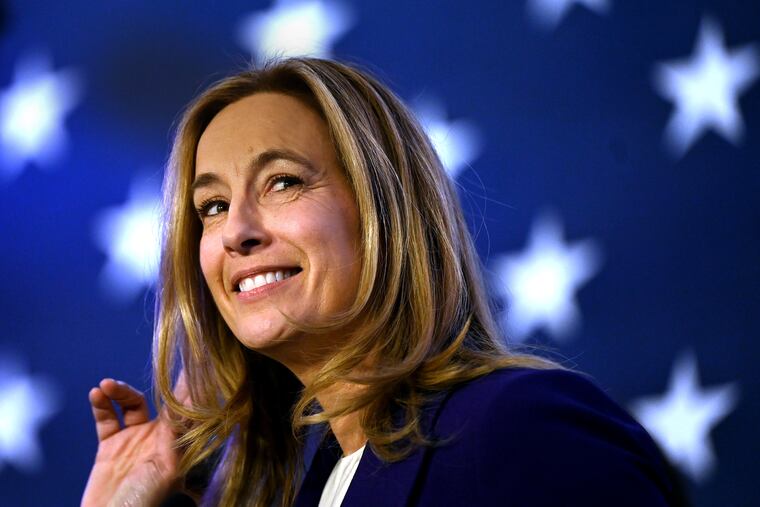
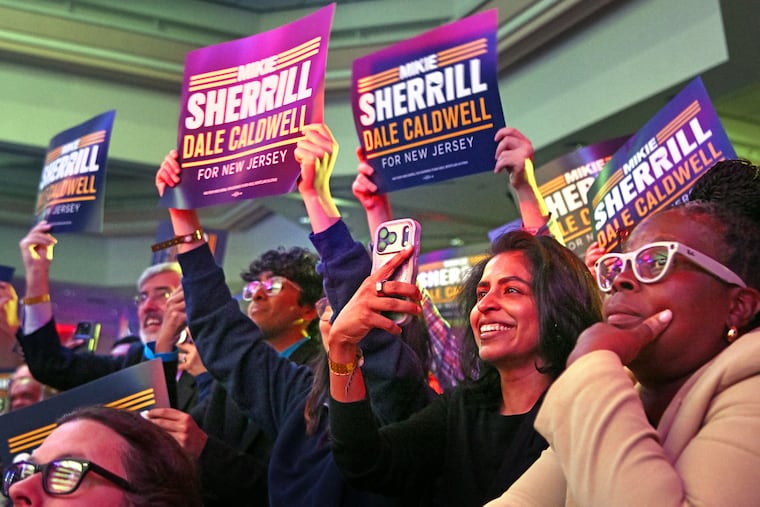
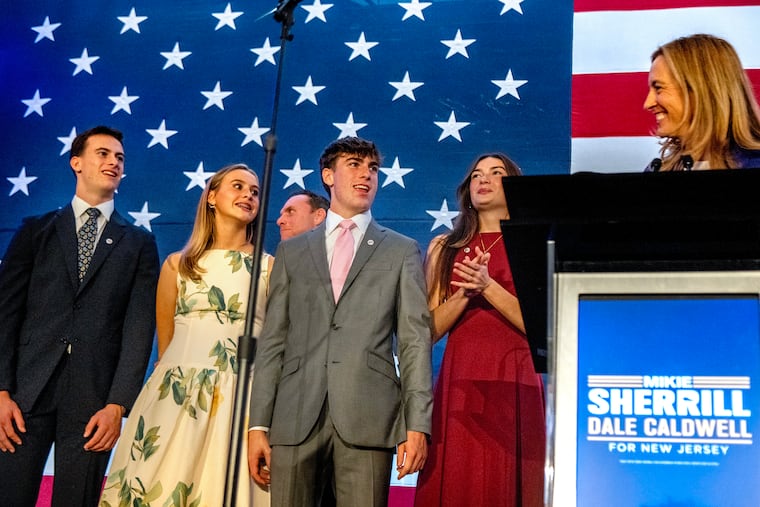
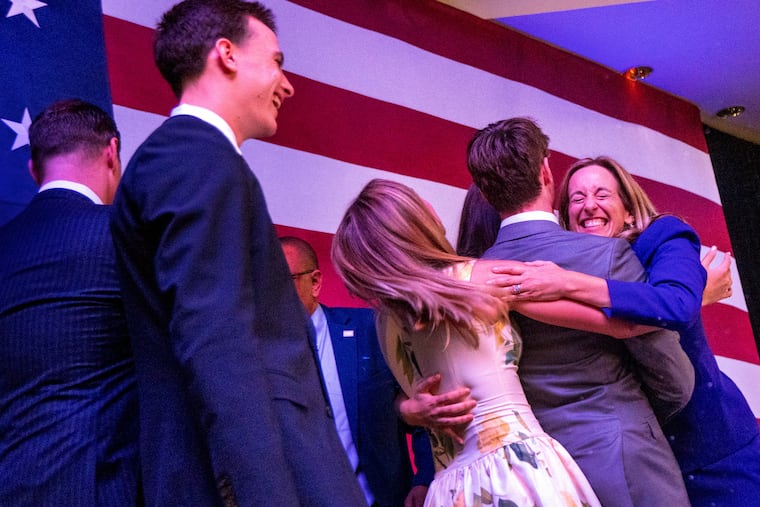

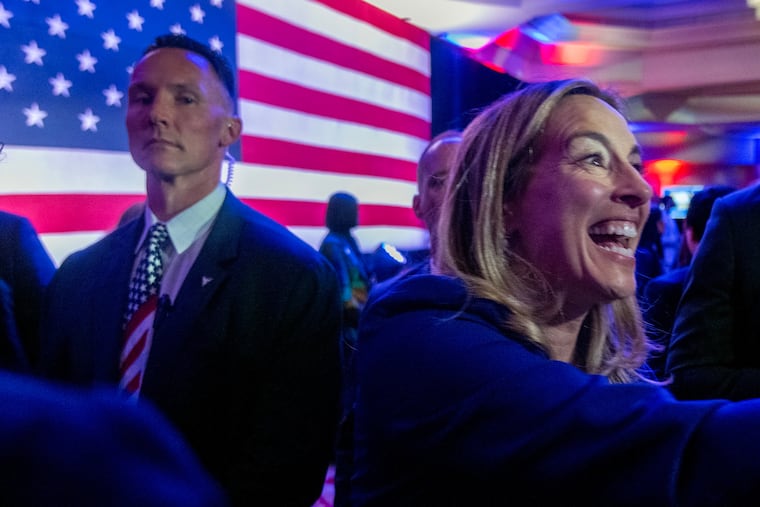
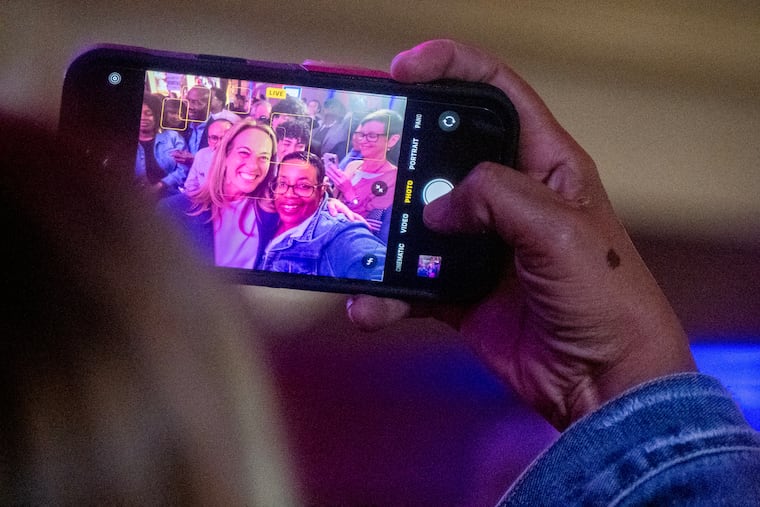
Then one more decision. Would she turn first to her family after her victory speech? Or toward her running mate on the other side — for the traditional raised arm moment.
Again, maybe it’s years of experience doing this, or I just got just lucky.
Since 1998 a black-and-white photo has appeared every Monday in staff photographer Tom Gralish’s “Scene Through the Lens” photo column in the print editions of The Inquirer’s local news section. Here are the most recent, in color:
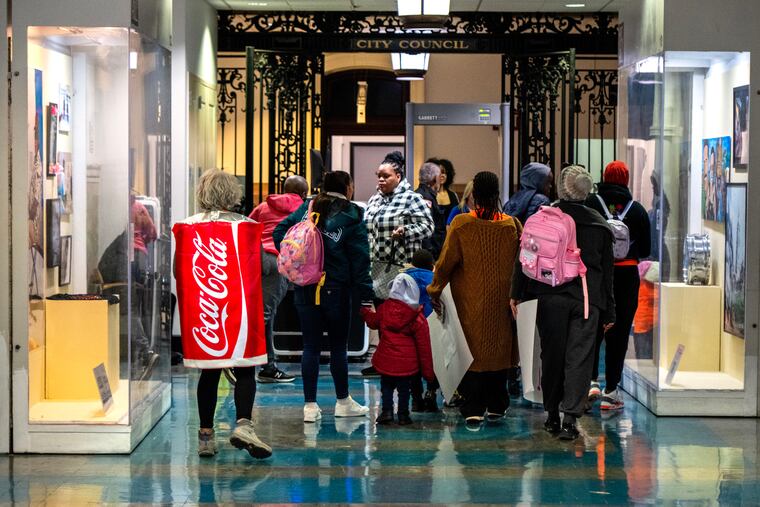
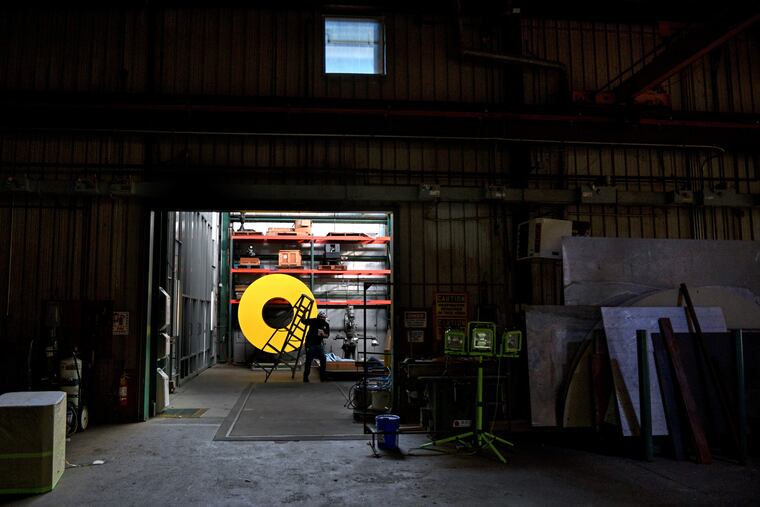
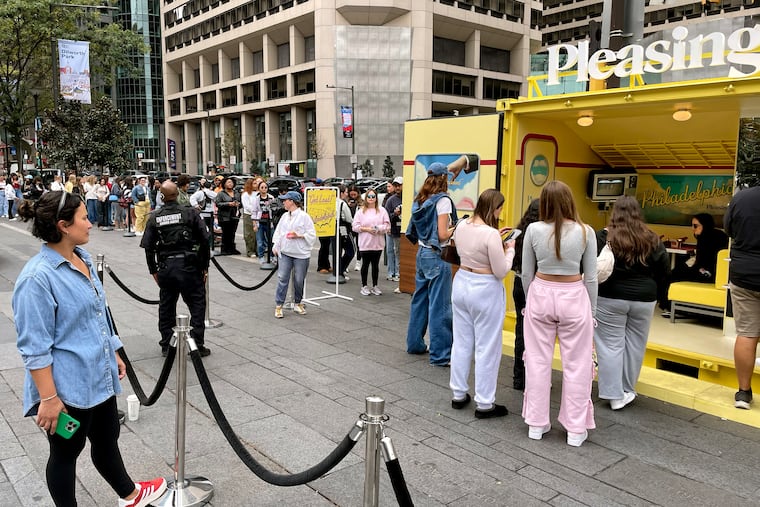
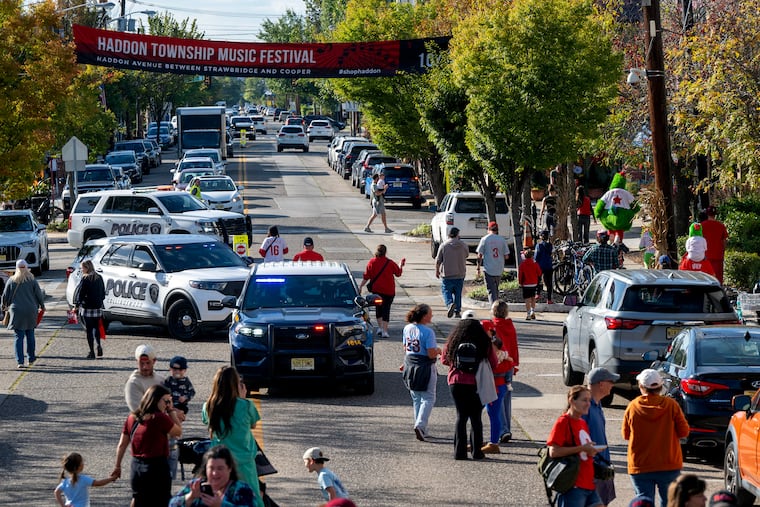
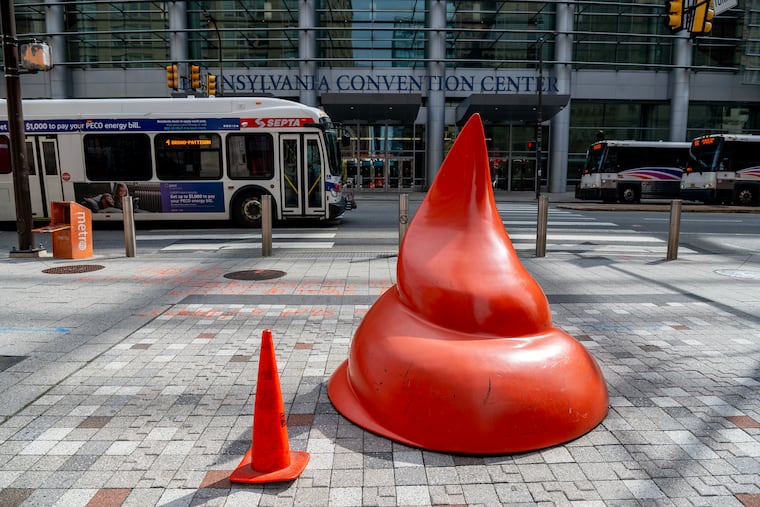
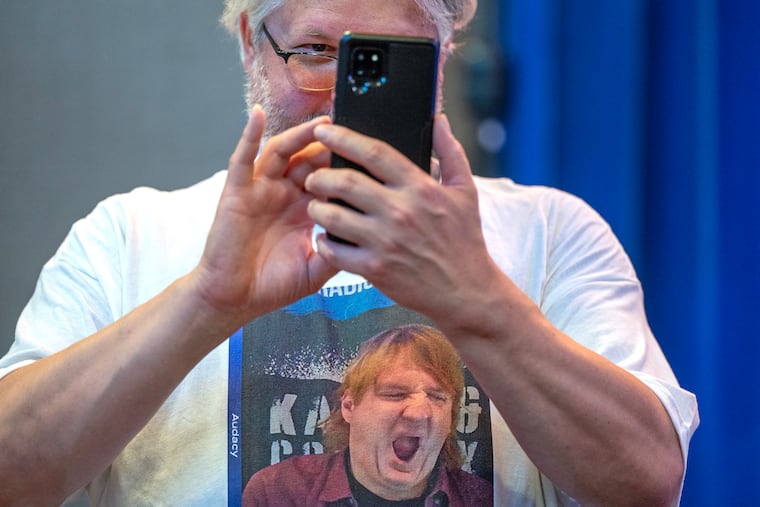
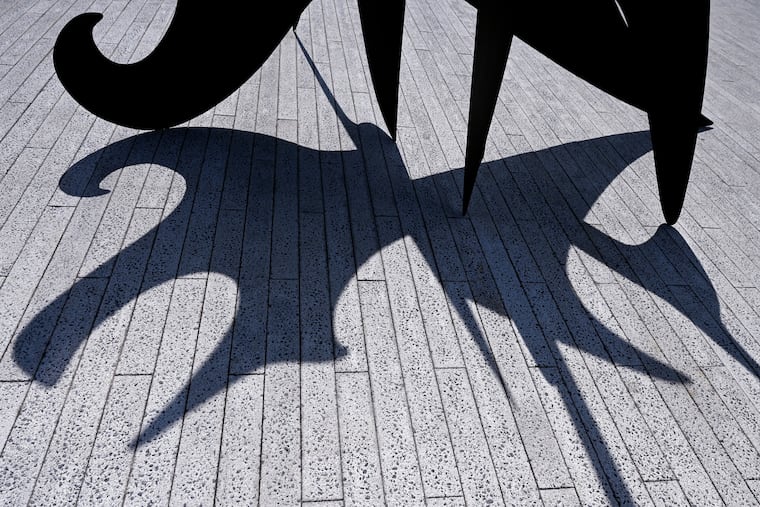
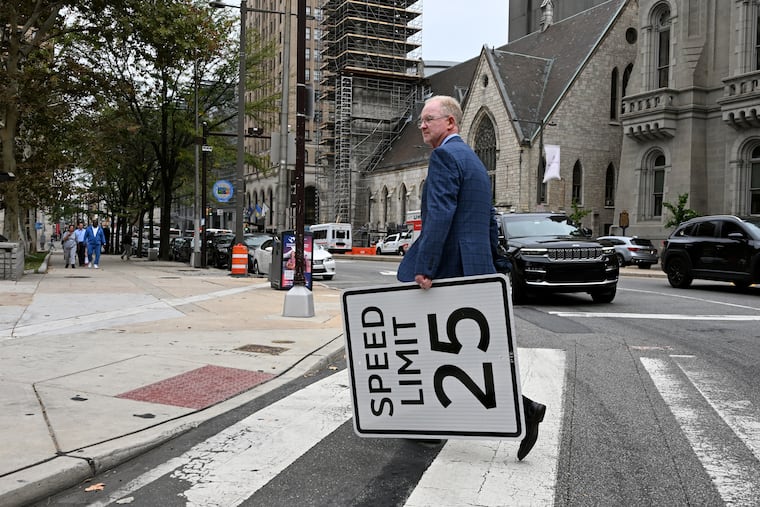

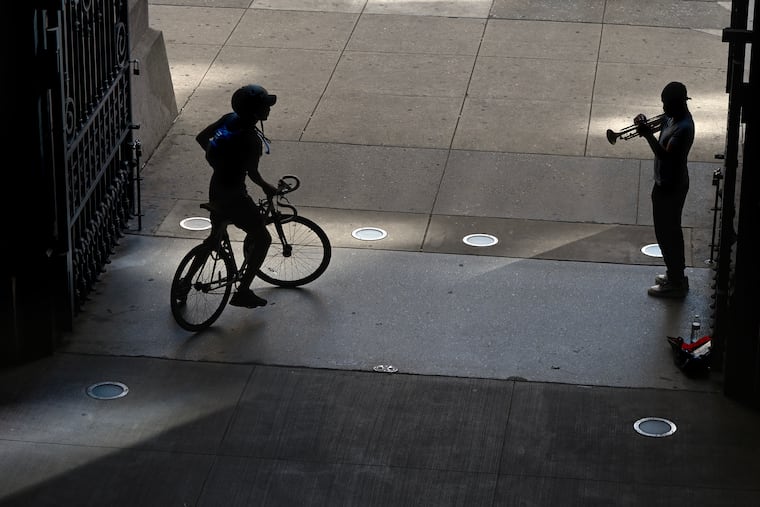

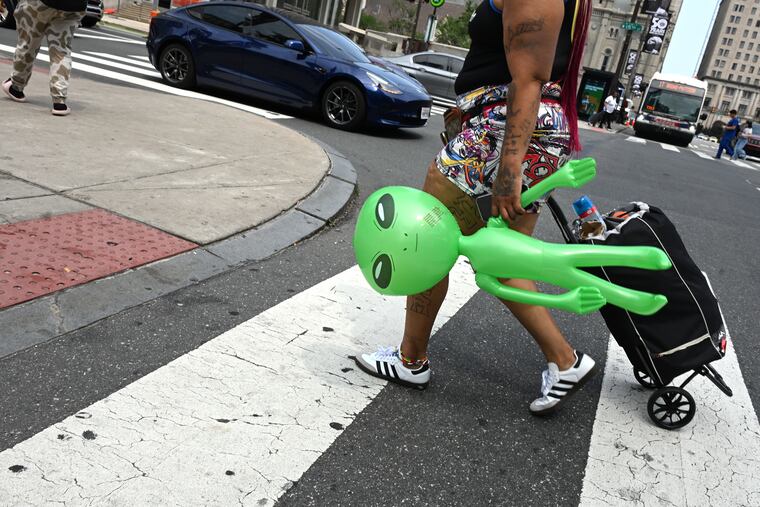
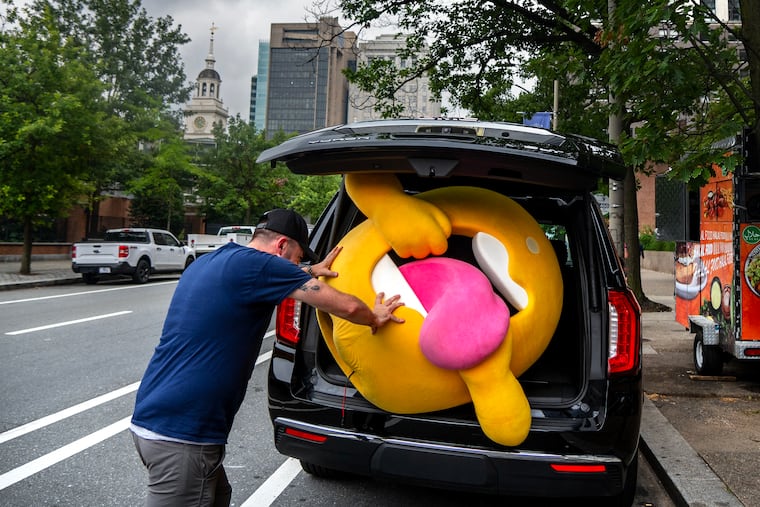


» SEE MORE: Archived columns and Twenty years of a photo column.

- Inside New Jersey’s secret world of cannabis dinner parties
- Gilded mansions, ocean views, and off-season charm in Newport, R.I. | Field Trip
- When is it too early to put up holiday decorations?
- Stuck at PHL (again) | Weekly Report Card
- The best things we ate this week
- Outbid in Mount Airy, they sprung for a historic twin in West Philly|How I Bought This House
- How to have the perfect Philly day, according to fiber artist Caitlin McCormack
- Citywide Quest: Do you know where in Philly these photos were taken?
- What it was like to photograph election day in NJ