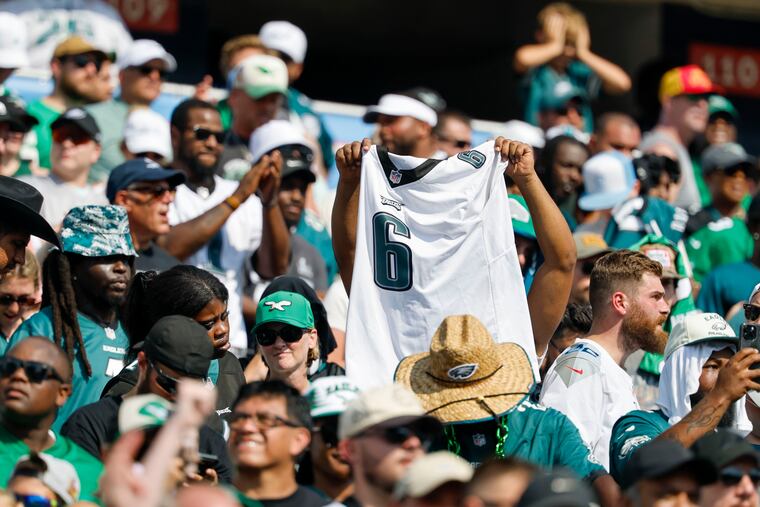
I got my first camera in seventh grade. Social interactions were not my strong suit, so I mostly focused on scenery, animals, and buildings.
There are so many other things in the world to take pictures of. Growing up I found that photography gave me a way to interact with people. It also gave me a sense of purpose that eventually led to a career in the people business.
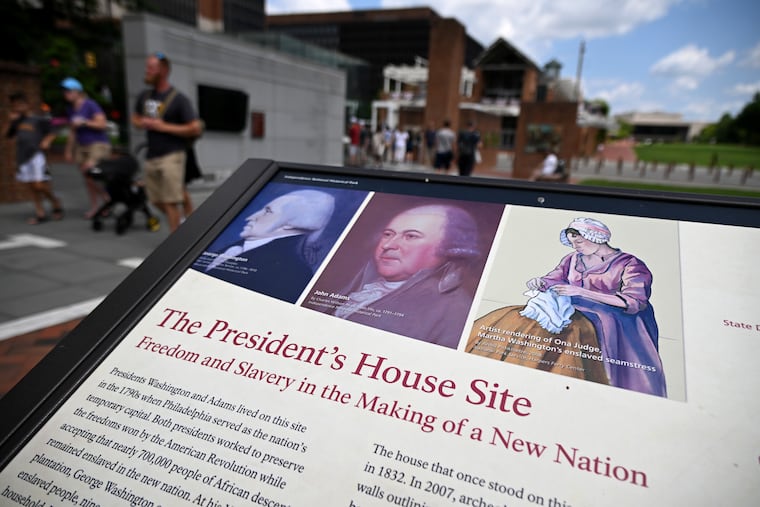
I met so many people this week while working on stories in Independence National Historical Park on the dozen displays that share historical information about slavery. Many have have been flagged for a content review in connection with an executive order from President Trump.
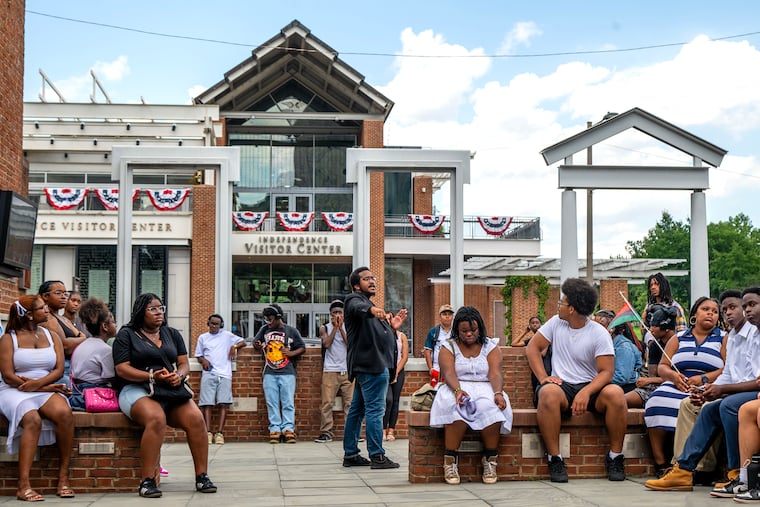
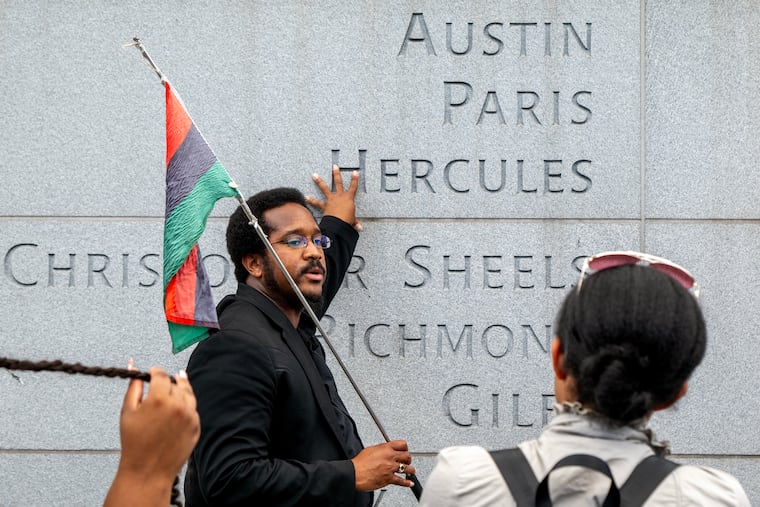
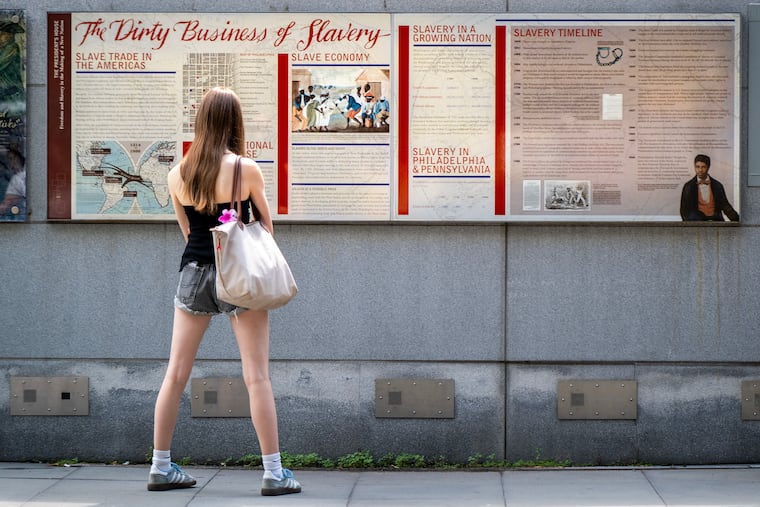
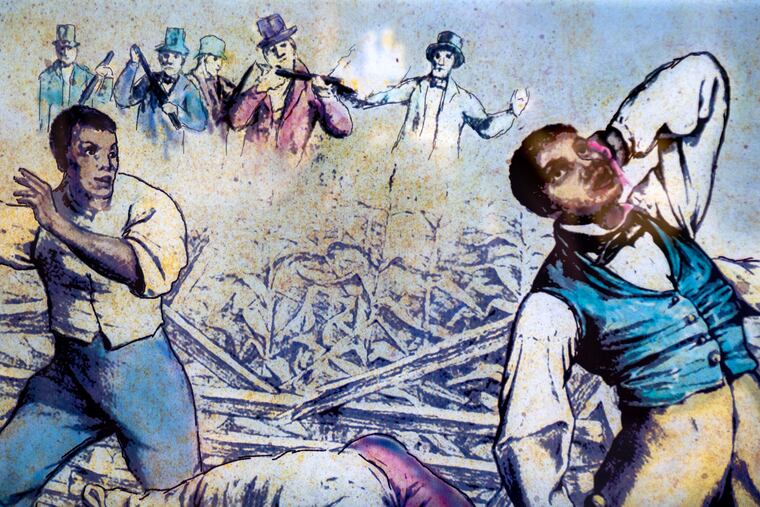
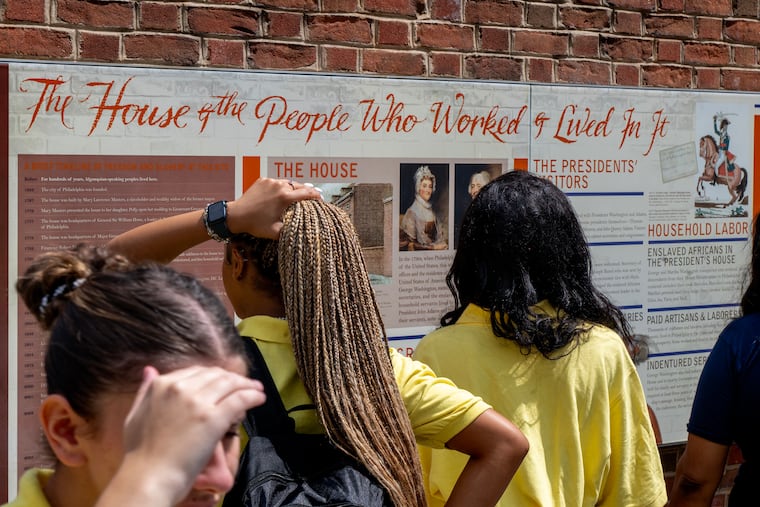
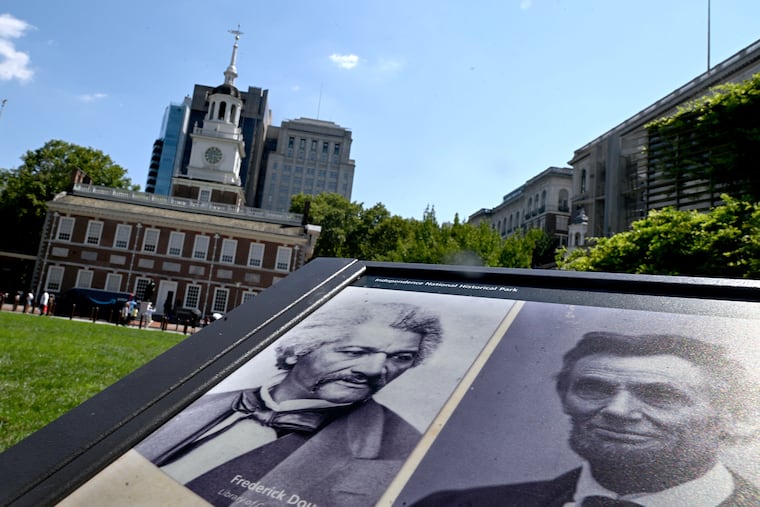
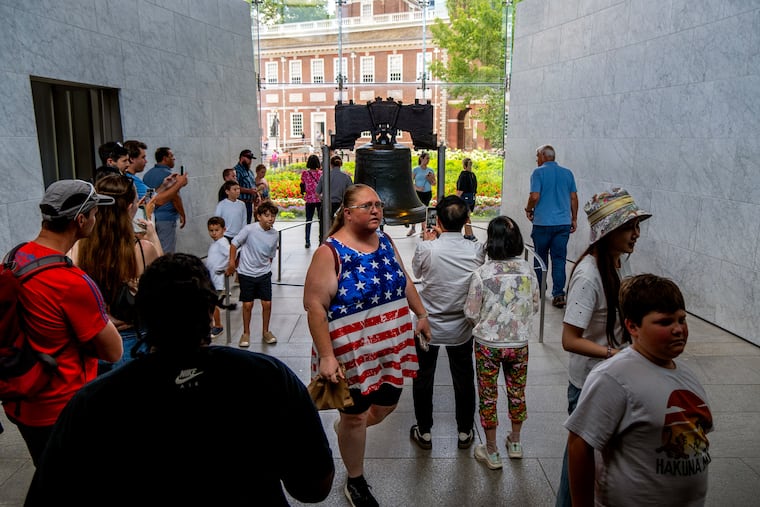
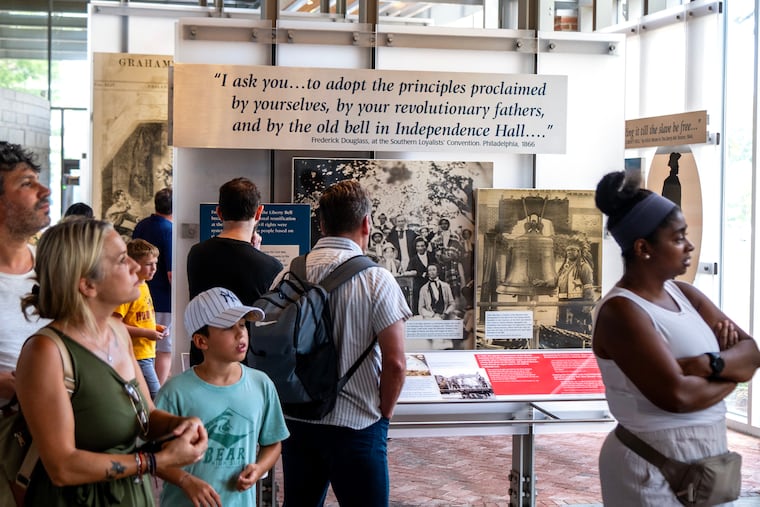
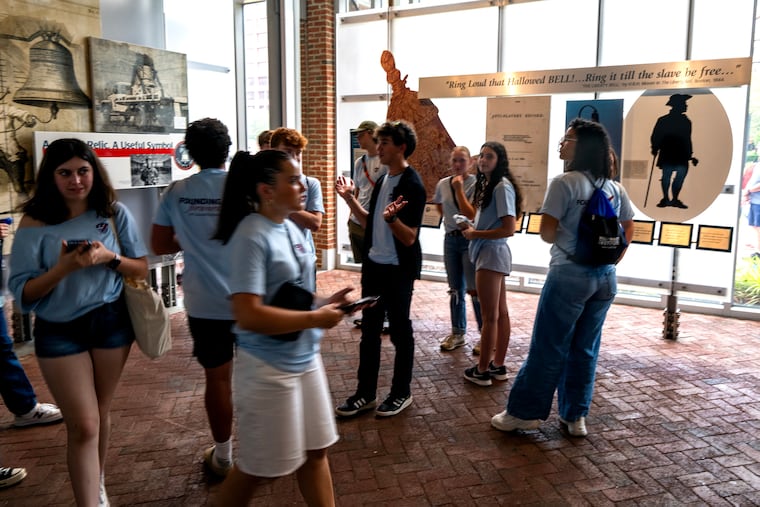
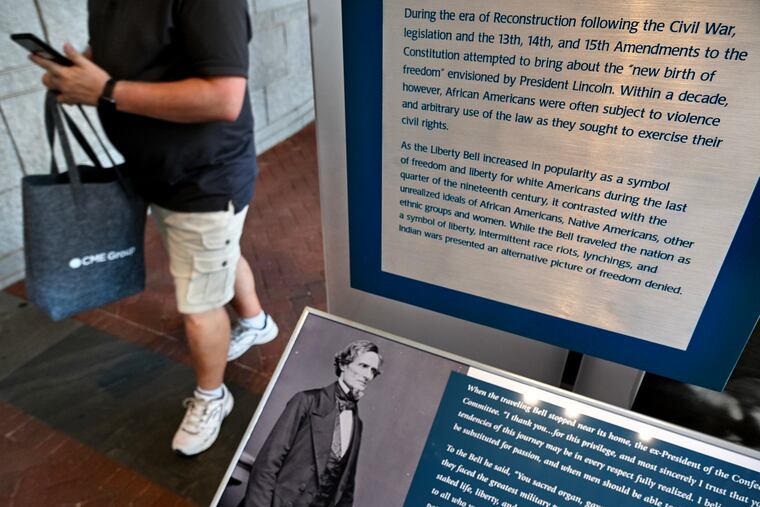

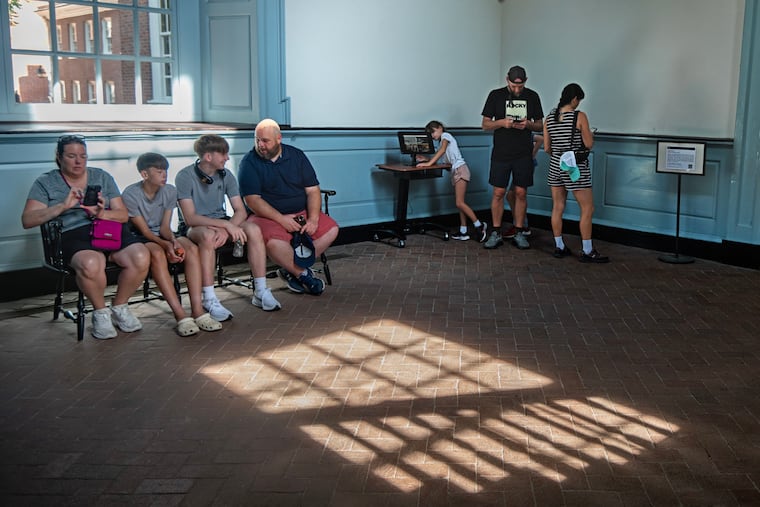
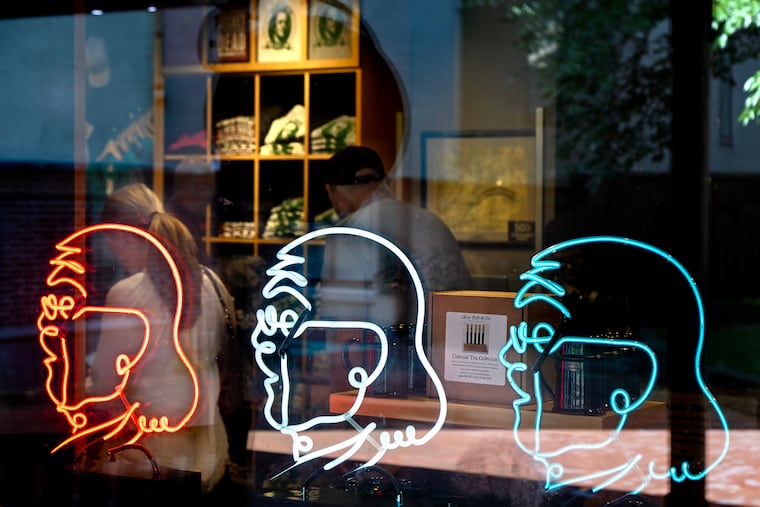
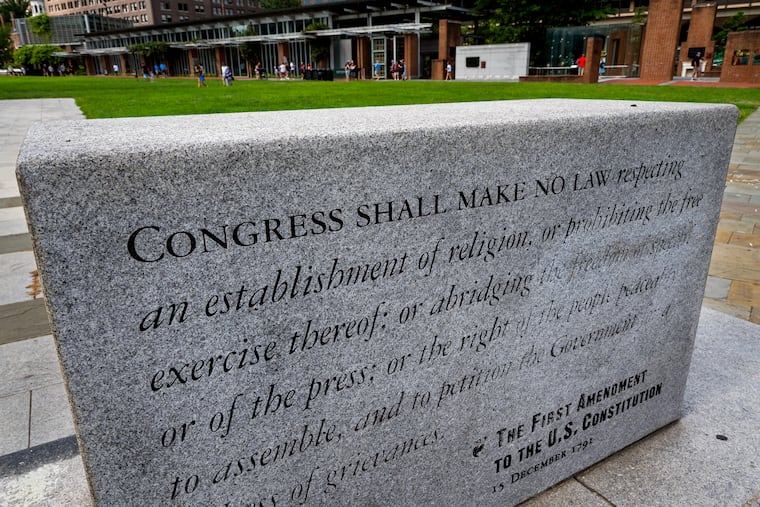
I noticed the Chandler women in the Visitor Center. They were interacting with the small exhibits - and seemed more interested than the usual tourists headed to the information desk (with very knowledgeable staffs) or restrooms (some of the nicest/cleanest in the city).
We talked briefly as they planned their morning in the Historic District. They were stopping on their way home to Richmond, Va., after vacationing in Maine.
On their way out of town Shanna said she planned to drive through Fairmount Park and see Boathouse Row. “I used to come to race in regattas there in high school and college so wanted to show my girls where.”
The last time they were all in Philadelphia, Shanna was pregnant with Lenna.
Besides the people I meet, I love to learn, so every photo assignment is like a mini-fellowship.
Like the replica chair Indigo is seated in. I learned on one of my very first visits to Independence Hall George Washington used the real chair for nearly three months of the Constitutional Convention.
It replaced the chair John Hancock sat in when he signed the Declaration of Independence. The British likely destroyed it during their occupation of Philadelphia
Benjamin Franklin immortalized the chair at the close of the convention, observing: “I have often looked at that picture behind the president without being able to tell whether it was rising or setting. But now at length I have the happiness to know that it is a rising and not a setting sun.”
In 2017, during President Trump’s first term, with proposed budget cuts in federal funding of the arts, I looked at the programs and constituencies of some of Philadelphia’s community-focused groups that received National Endowment for the Arts (NEA) funding. Each group received less than $25,000 each.
» READ MORE: From 2017: Philly arts groups on budget chopping block
I like what Kathy Ryan, the longtime director of photography at the New York Times Magazine, said about photojournalists: “They call our attention to the things we miss in our everyday lives... When they direct our eyes and hearts with precision and honesty, we know what we know differently and better. Photographers teach us to look again, look harder. Look through their eyes.”
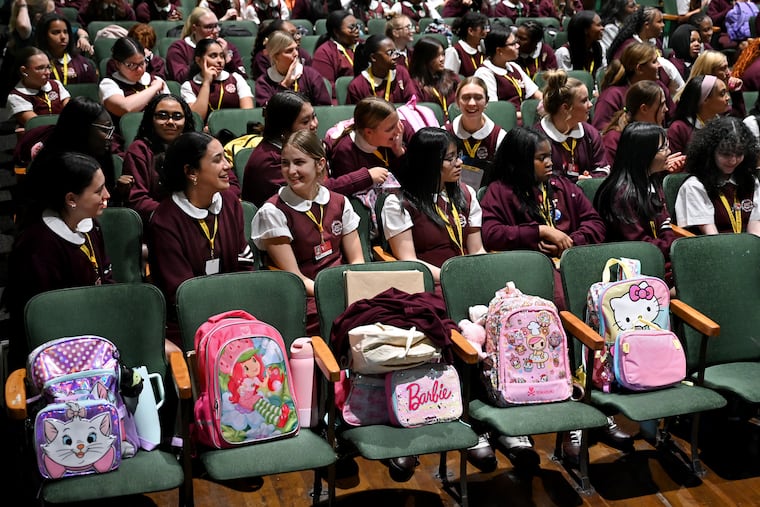
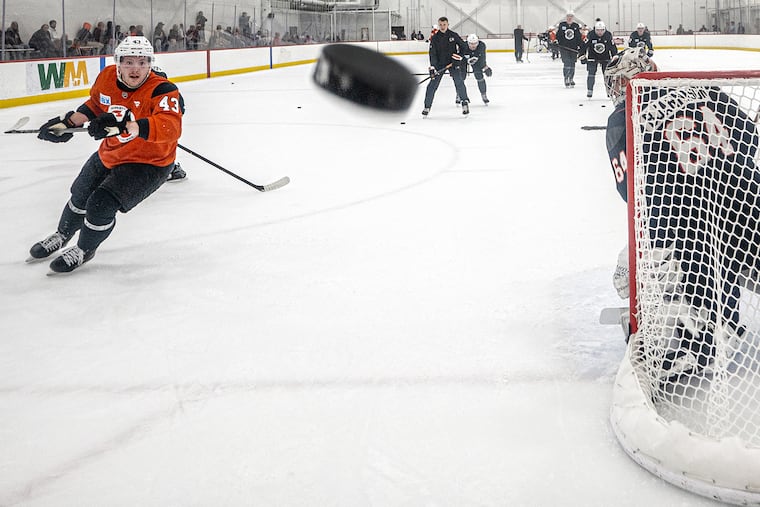
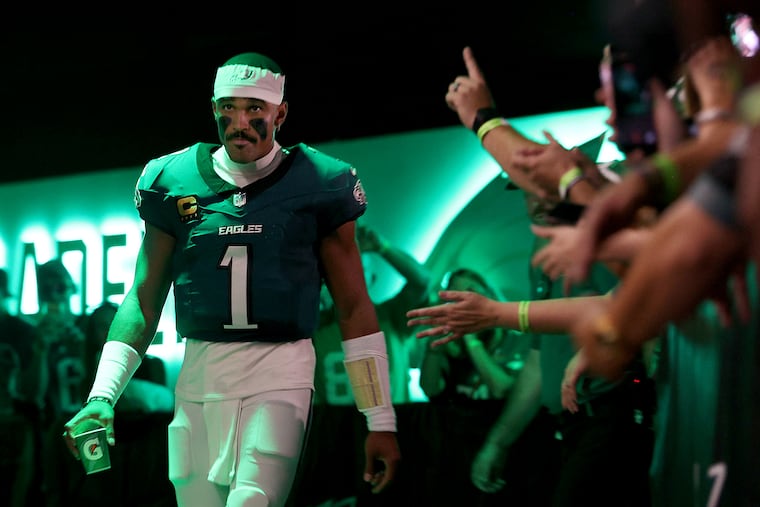
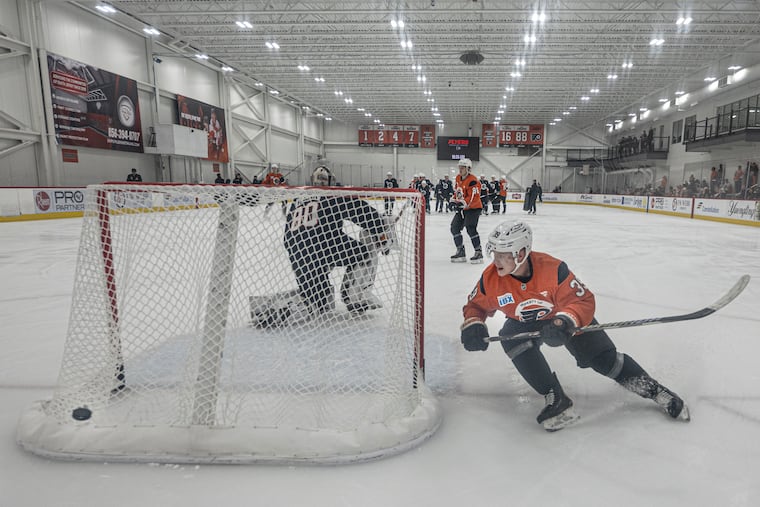
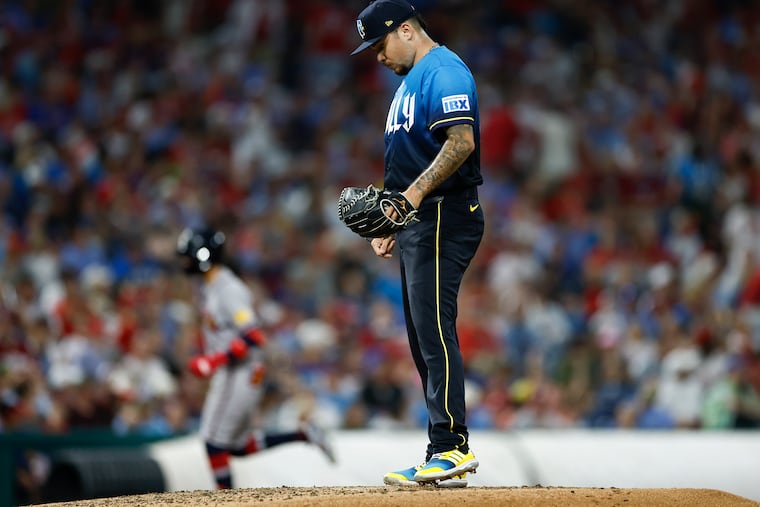
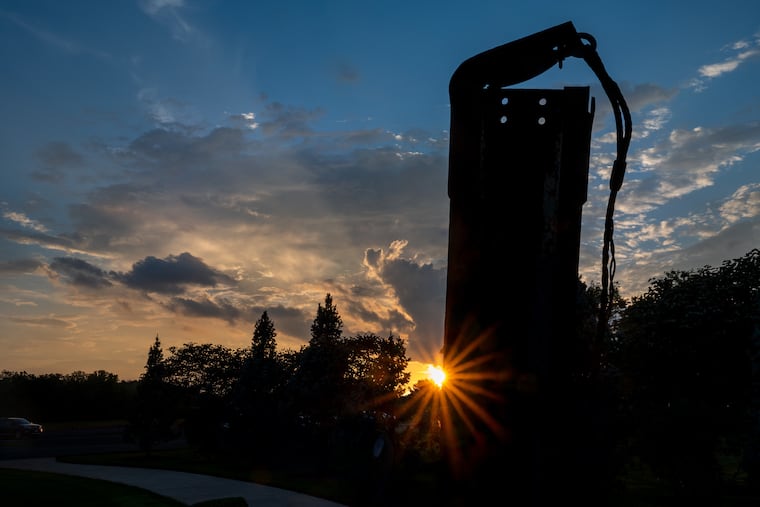
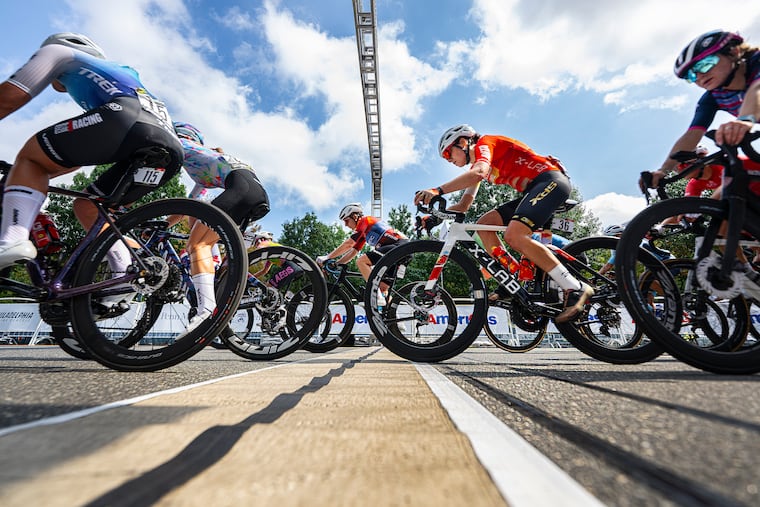
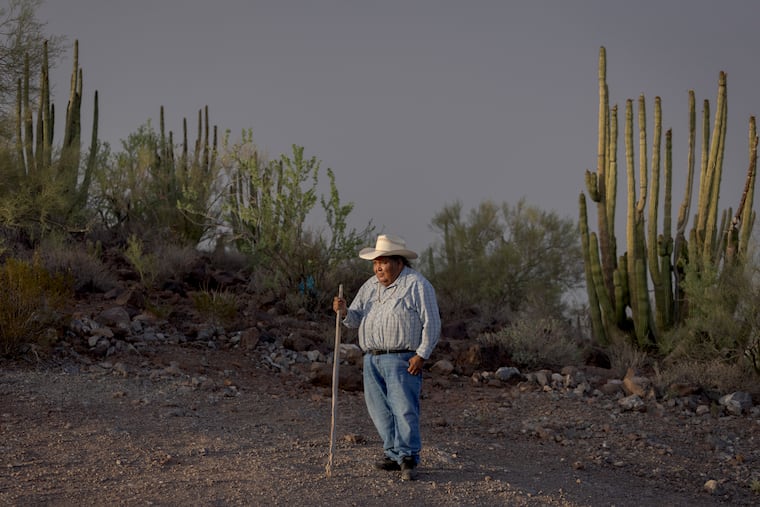
Since 1998 a black-and-white photo has appeared every Monday in staff photographer Tom Gralish’s “Scene Through the Lens” photo column in the print editions of The Inquirer’s local news section. Here are the most recent, in color:
» SEE MORE: Archived columns and Twenty years of a photo column.