Trump pardoned a Northeast Philly native who tried to help him overthrow the 2020 election
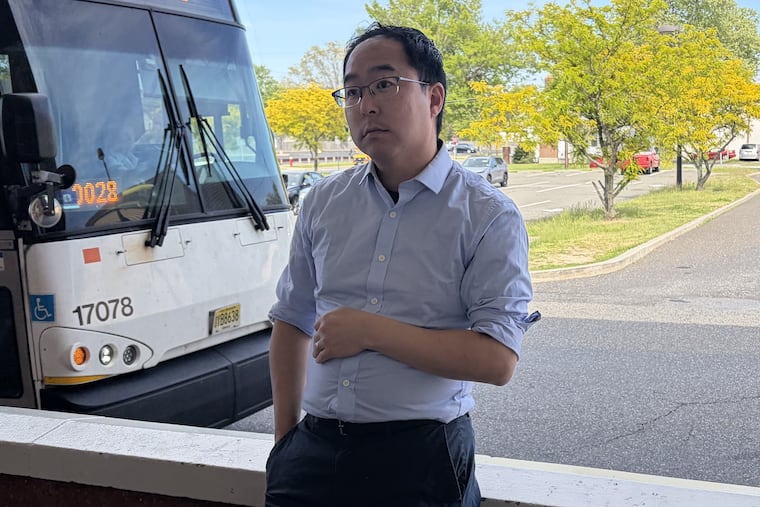
Jeffrey Clark, who grew up in Tacony and graduated from Father Judge High School in 1985, was one of 77 people who received a pardon for seeking to help Trump remain in the White House five years ago.
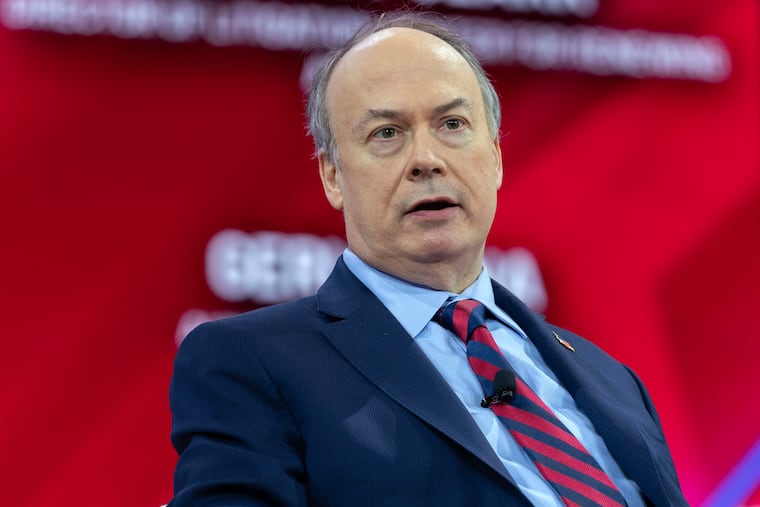
President Donald Trump has pardoned dozens of political allies who helped him try to overturn the results of the 2020 election he lost — including a Northeast Philadelphia native who became a key legal adviser in that effort, and who prosecutors said was willing to use the imprimatur of the Justice Department to help Trump cling to power.
Jeffrey Clark, who grew up in Tacony and graduated from Father Judge High School in 1985, was one of more than 75 people who received a pardon for seeking to help Trump remain in the White House five years ago, according to a social media post late Sunday from Pardon Attorney Ed Martin.
Clark said in his own social media post that Trump called him Friday night to tell him the news, which he called “totally unexpected,” adding that he “never lobbied for any form of pardon.”
Others who received pardons included Rudy Giuliani, one of Trump’s former personal lawyers; onetime chief of staff Mark Meadows; and Sidney Powell, an attorney who promoted Trump’s baseless claims of widespread voter fraud.
The pardons are not likely to have any immediate impact: None of those included on Trump’s list is currently facing federal charges, and a presidential pardon does not provide relief from any state-level prosecutions or investigations.
Trump did not issue a pardon to himself.
Clark — who rejoined the Trump administration earlier this year after Trump was reelected last fall — is still facing criminal charges in a racketeering case in Georgia. Prosecutors there said he drafted letters on Justice Department letterhead to state officials, pressuring them to overturn President Joe Biden’s victory in the state.
That racketeering case — initially filed against 19 people, including Clark and Trump — has been stalled for months, in part because Fulton County District Attorney Fani Willis was disqualified from overseeing it.
A Washington D.C.-based disciplinary board has also sought to strip Clark of his law license, an effort that remains pending and would not be directly affected by Trump’s pardon.
Clark wrote on social media that he “did nothing wrong when I questioned the 2020 election in Georgia” and that “I shouldn’t have had to battle this witch hunt for 4+ years.”
“I wish I could be declaring this legal nonsense over for good — a pardon should totally and abruptly kill off these federal bar and Georgia-federal attacks on me and many others," he wrote.
Trump, in his proclamation, said he was granting the pardons to end “a grave national injustice perpetrated upon the American people following the 2020 Presidential Election.”
The action represented Trump’s latest attempt to change the narrative around that contest, which he attempted to overthrow and has never acknowledged he lost.
Within hours of taking office again in January, Trump pardoned nearly all 1,500 people charged with taking part in the Jan. 6, 2021, attack on the U.S. Capitol, a riot that attempted to block certification of Biden’s win.
Trump also commuted the sentences of more than a dozen alleged ringleaders of that plot, including Port Richmond native Zach Rehl, who was convicted of seditious conspiracy and had been sentenced to 15 years in prison.
Clark was never charged federally for the actions he took in support of Trump. But his role became well-documented over the years, including in congressional and law enforcement investigations.
Officials said that as Trump’s allies were searching for ways to undo Biden’s victory, Clark — then an environmental lawyer in the Justice Department — emerged as a figure willing to use the DOJ to apply pressure in the fight.
Prosecutors in Georgia said Clark’s efforts included his writing a letter to state officials saying the DOJ had identified “significant concerns” around the integrity of the state’s election results and urging Georgia’s legislature to take steps to select an alternate slate of pro-Trump electors to help him remain in office.
Congressional investigators also said Clark sought to persuade Trump to install him atop the Justice Department by forcing out then-acting Attorney General Jeffrey Rosen, who disagreed with Trump’s claims of widespread voter fraud.
Trump was reportedly intrigued by the notion of having a more aggressive lawyer atop the DOJ but ultimately abandoned the idea to promote Clark after other senior officials threatened to resign.
Clark left Philadelphia soon after high school and went on to receive degrees from Harvard, Georgetown, and the University of Delaware. He has spent most of his career working as a lawyer in Washington.