SNAP distribution on pause in Pennsylvania after U.S. Supreme Court temporarily blocks lower court ruling
Approximately $295 million in SNAP benefits in Pennsylvania is on a temporary hold. Pennsylvanians who have already received their SNAP funds can continue using them.
Crucial benefits from the Supplemental Nutrition Assistance Program are up in the air for Pennsylvania families as the Trump administration’s efforts to halt federal funding for food stamps during the government shutdown continues to play out in court.
As of Monday afternoon, approximately $295 million in benefits are on a temporary hold due to recent legal action, a spokesperson for the Pennsylvania Department of Human Services said.
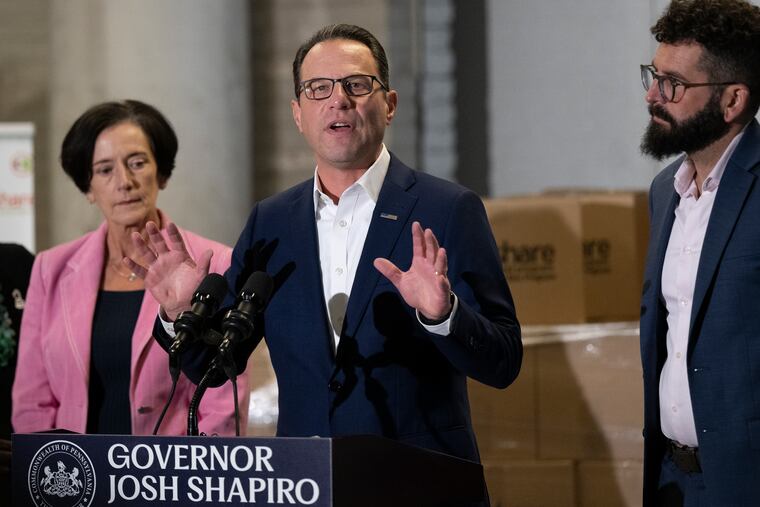
The pause comes just days after Democratic Gov. Josh Shapiro’s administration started rolling out $100 million out of roughly $365 million in November SNAP benefits Friday after a federal judge in Rhode Island said the Trump administration must pay November SNAP benefits in full.
Only $70 million of that money got distributed to Pennsylvanians before the U. S. Supreme Court weighed in Friday night after an emergency appeal from the Trump administration, temporarily pausing payments, Brandon Cwalina, a spokesperson for the Pennsylvania Department of Human Services, said in a statement.
Pennsylvanians who have already received benefits can continue to use their funds, the Shapiro administration said Monday.
“At this time, SNAP payments are still paused pending further direction from the courts. The Shapiro Administration will work quickly to distribute benefits once we receive a ruling,” reads the Pennsylvania DHS website. “Pennsylvanians who received benefits on their EBT cards are able to spend them, as the USDA has not indicated that Pennsylvanians cannot use money already on their EBT cards to purchase food across the Commonwealth.”
New York Attorney General Letitia James said Monday that some cardholders in that state have been turned away by stores concerned that they won’t be reimbursed — something she called to stop.
Nearly 2 million Pennsylvanians, including half a million Philadelphians, rely on SNAP benefits. After some residents began receiving payments Friday, Mayor Cherelle L. Parker said her One Philly SNAP Response Plan, aimed at assisting Philadelphians impacted by disruptions to SNAP benefits, would continue.
She said in a statement that “our commitment to addressing food insecurity in this city remains steadfast.”
The past several weeks have been a cacophony of legal efforts by the Trump administration to avoid supplying funds to help 42 million people purchase groceries despite having the money to do so. SNAP benefits were not distributed beginning Nov. 1 due to the government shutdown. The back-and-forth legal battles, appeals, and court rulings have shrouded the distribution of one of the federal government’s most crucial programs in chaos and confusion.
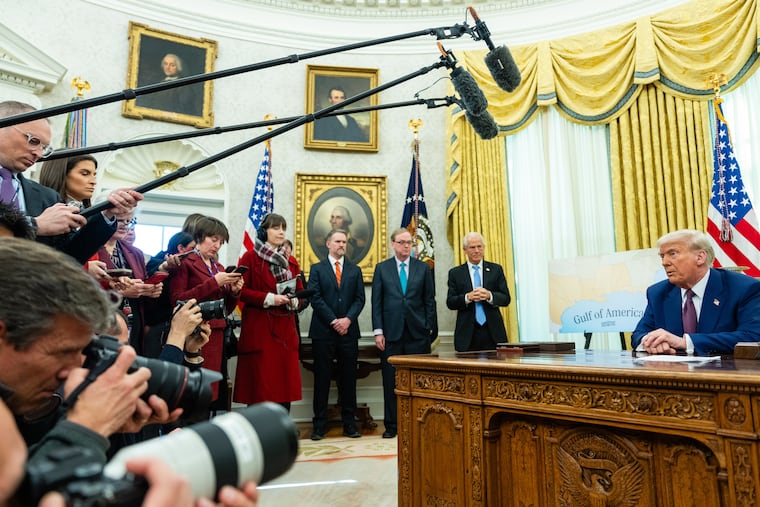
Trump’s administration returned to the Supreme Court on Monday in a push to keep full payments in the SNAP federal food aid program frozen while the government is shut down.
Lower courts have ruled that the government must keep full payments flowing, but the Trump administration is asking the Supreme Court to keep them frozen for now.
The high court is expected to rule today.
On Saturday, the U. S. Department of Agriculture, which administers SNAP, called for states, like Pennsylvania, to “immediately undo” steps taken to issue full November SNAP benefits. A coalition of Democratic attorneys general and governors, including Shapiro and New Jersey Attorney General Matthew J. Platkin, was granted a temporary restraining order Monday blocking this directive.
At a news conference Monday, Platkin said that the efforts by the Trump administration to avoid shelling out funding for SNAP are “unlawful, unconstitutional and frankly, heinous acts.” Platkin’s office believes that all SNAP recipients in New Jersey received their full payments on Friday.
“The upshot for New Jerseyans is the full benefits of SNAP remain on their cards, as it has since Friday,” Platkin said.
Staff writer Anna Orso and the Associated Press contributed to this article.