Top Pennsylvania leaders have reached a $50.8 billion state budget deal, sources say
Though it comes more than a week past due, the agreement in Harrisburg marks an improvement from last year’s monthslong impasse over the state budget.
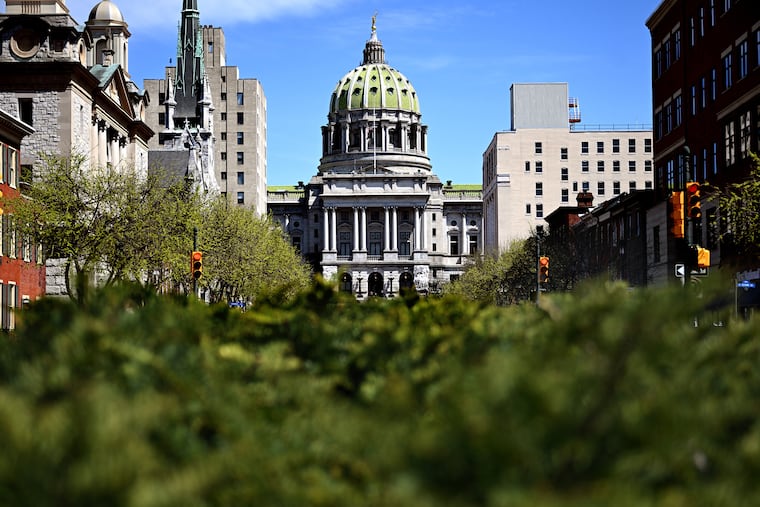
HARRISBURG — Pennsylvania’s top legislative leaders and Gov. Josh Shapiro have reached a $50.8 billion budget deal, more than a week after a new state budget was due at the start of the fiscal year, according to two sources briefed on the closed-door conversations.
Details of the contents of the overall budget deal were not immediately available on Saturday, as lawmakers are expected to begin reviewing the bills in the coming days and a final budget is expected to reach Shapiro’s desk by early next week. The state Senate was scheduled to advance parts of the budget on Saturday evening, and the House was scheduled to do the same on Sunday afternoon.
Though the deal comes more than a week past due, the agreement on the state budget framework among Pennsylvania’s Democratic-controlled House, Republican-led Senate, and Democratic governor marks an improvement from last year’s nearly five-month budget impasse that required school districts, counties, and social service providers to take out expensive loans or close altogether.
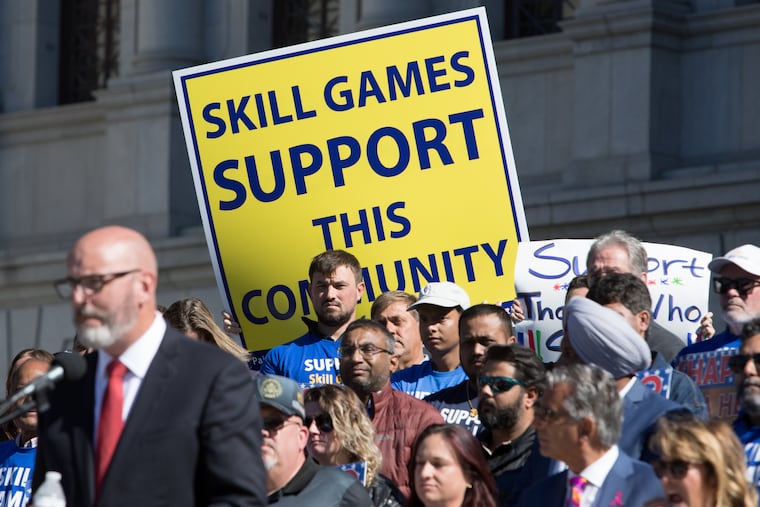
But budget negotiations were less contentious this year, with several major issues taken off the table, including whether the state will tax and regulate skill games, whether the state should create additional school choice programs for students in low-income school districts, and how Pennsylvania will fund mass transit when a two-year fail-safe runs out next year.
Half of the state Senate and all 203 state representatives are up for reelection this year, and many are eager to approve a state budget and return to their districts to campaign. Many of the more contentious issues before the legislators appear to have been kicked to the General Assembly’s fall legislative session or will resurface in budget talks next year, when lawmakers are not scheduled to face voters. Shapiro, too, is up for reelection this year; his Republican challenger is State Treasurer Stacy Garrity.
Pennsylvania’s budget deal was crafted largely in secret over weeks of closed-door meetings involving top legislative staff and leaders including Shapiro, House Majority Leader Matt Bradford (D., Montgomery), and Senate Majority Leader Joe Pittman (R., Indiana).
The overall budget deal presented to the General Assembly will feature a state spending plan, in addition to some policy changes as part of horse-trading of legislative priorities by top leaders.
One major policy change that appeared to be advancing as part of the overall deal on Saturday evening is a bill to allow local municipalities to pass ordinances placing a moratorium on data center development for no longer than 18 months. That bill, Senate Bill 1345, sponsored by Sen. Jarret Coleman (R., Bucks/Lehigh), was scheduled for a committee vote Saturday evening, when amendments to the bill were possible.
Shapiro hinted that a deal was near on Thursday at a news conference in Altoona, saying, “You’re going to see a lot of activity in the Capitol this weekend.”
“We’ve been working hard, really hard, to bring both sides together, to bring together Democrats and Republicans, and I think you’re going to see a result that benefits the good people of Pennsylvania really soon,” Shapiro added.
It was not immediately clear how legislative leaders and Shapiro agreed to fill the state’s billion-dollar structural deficit without creating any new revenue streams as part of the 2026-27 fiscal year budget. Even if lawmakers did not increase spending this year — which they are expected to do — the state would need to make up $1.2 billion to balance the budget.
The deal’s 1.4% increase over last year’s $50.1 billion budget does not allow much room for new spending, unless other existing programs have been cut.
In new spending, the deal appeared to include an increase to the state’s funding for public education through its adequacy and tax equity formulas, which were designed by lawmakers in 2024 to close a $4 billion “adequacy gap” following a landmark court ruling that found Pennsylvania was illegally underfunding students in low-income districts.
“If the adequacy number was not agreed to, we wouldn’t be having this conversation,” said State Sen. Vincent Hughes (D., Philadelphia), who is the minority chair of the powerful Senate Appropriations Committee, on Friday evening. “I think the adequacy number will be consistent with what the governor proposed.”
Shapiro proposed a $53.2 billion budget in February, which included a $565 million increase to adequacy funding for public schools. He also included new potential revenue generators from taxing and regulating skill games, legalizing recreational marijuana, and increasing the state’s minimum wage to $15 per hour. None of these potential revenue generators appeared to make it into the final deal.
» READ MORE: How ‘skill games’ exploded across Pennsylvania — and sparked a multimillion-dollar political fight
The state is on track to bring in $48.9 billion this year in revenue, according to the Pennsylvania Independent Fiscal Office’s latest projections. Pennsylvania also maintains a $7.7 billion Rainy Day Fund that Senate Republicans have tried to prevent the state from tapping into. It is unclear whether lawmakers will agree to access some of the reserve dollars as many Pennsylvanians face an affordability crisis. Tapping into the Rainy Day Fund requires a two-thirds majority vote by both chambers.
The state budget topped $50 billion for the first time last year and has increased by 25% — approximately $10 billion — over a five-year period.
Pennsylvania Legislative Correspondents’ Association intern Ethan Young contributed to this article.