Pa.’s biggest teacher union says students are not ‘bargaining chips’ as schools start without state funding
School districts are missing state payments as budget impasse in Harrisburg drags on two months past deadline.

HARRISBURG — Pennsylvania State Education Association officials blamed state lawmakers Tuesday for using students as “bargaining chips” during the ongoing budget impasse that has stretched from the first weeks of summer break until the start of the new school year, with some districts left to take out loans to resume classes.
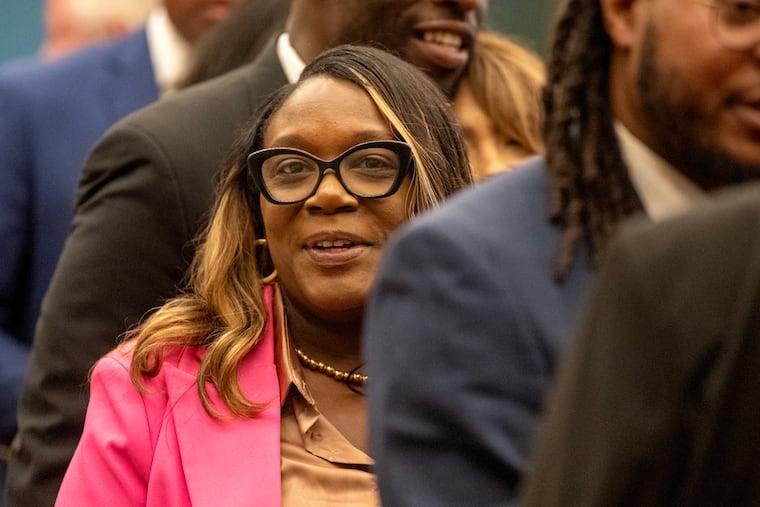
Christina Rojas, a speech therapist and president of the Lancaster Education Association, said her district’s school board approved a $35 million loan that would cost an extra $200,000 in fees and interest because the district’s local revenue makes up only about a third of its budget. The district has already missed nearly $2 million from a missed state payment in July and is set to miss nearly $21.8 million more this week, according to estimates from the PSEA.
She said the added expense associated with the loan could have gone toward more staffing, but “instead, it’s going to be wasted because our kids are being used as pawns in a political game.”
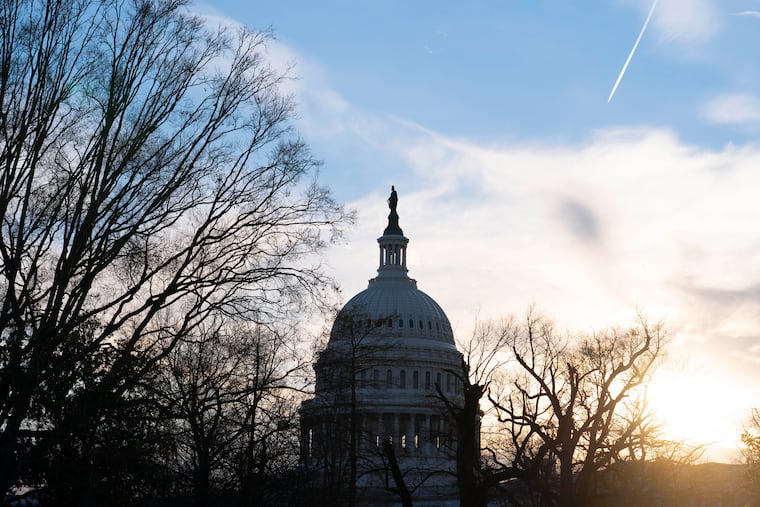
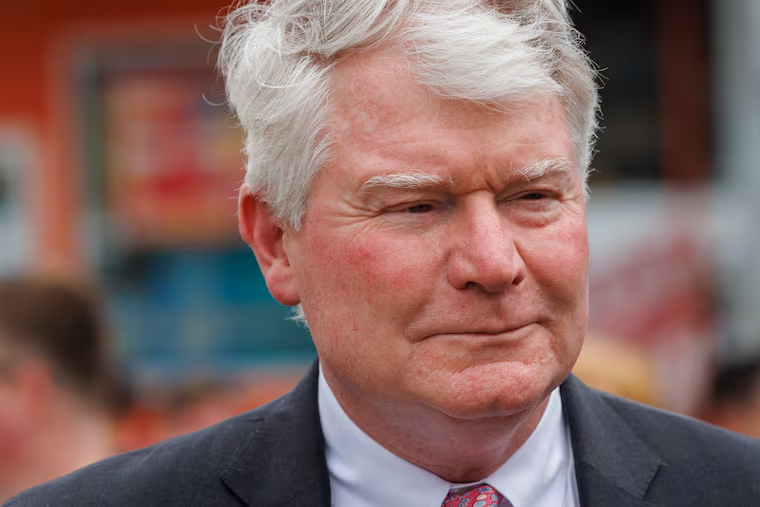
Rojas spoke alongside PSEA president Aaron Chapin and PSEA southern region president-elect Jimbo Lamb at the Capitol rotunda in Harrisburg on Tuesday with about a dozen people behind them holding signs that said “fund public schools” and “oppose tuition vouchers.”
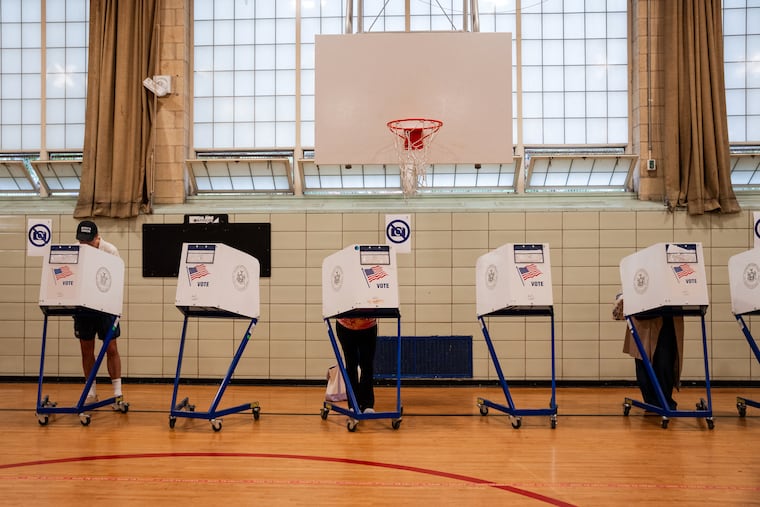
The PSEA is the largest public-sector union in the state, but its ensemble was relatively small on Tuesday, the second day of school in some districts, including Philadelphia.
While union leaders avoided framing the debate in partisan terms, they blamed the impasse on the Republican Senate leadership.
The Pennsylvania budget was due at the end of June, but the Democratic-led House and Republican-led Senate have struggled to create an agreement nearly two months after that deadline.
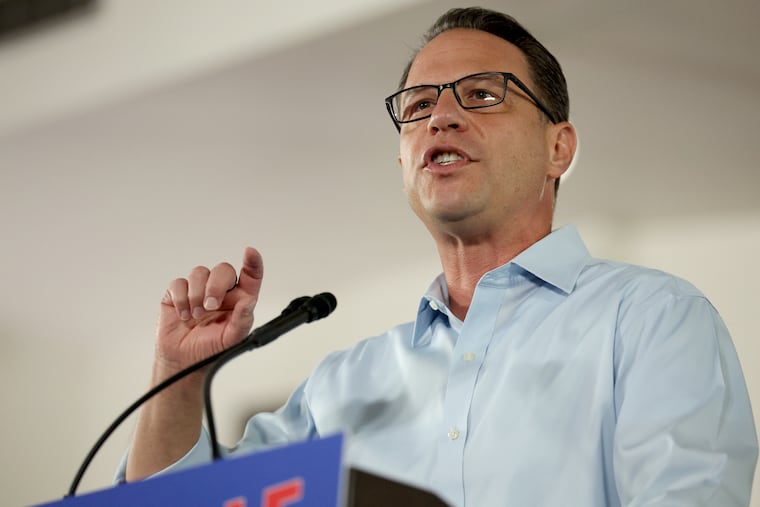
Gov. Josh Shapiro, a Democrat, said Monday that lawmakers are “very close” to coming to a deal.
Senate Republicans passed a placeholder budget bill on Aug. 12 that could have allowed money to start flowing to schools, but it was a nonstarter for House Democrats. One of the big issues for House leadership was that the bill held education funding flat for the coming year, excluding a plan lawmakers agreed on last year that would bring a $500 million increase to support underfunded districts. That bipartisan plan came in response to a court decision that determined Pennsylvania had illegally deprived students in low-wealth areas.
Lamb, a high school math teacher in Lebanon County’s Annville-Cleona School District, urged the GOP-controlled Senate to pass a budget with that funding increase and said he did not see a compromise.
“There is a court order out there saying you need to properly fund all of Pennsylvania’s public schools,” Lamb said in an interview. “It’s in our state constitution. … If they stick with a flat budget, if they’re sending public money to private schools, that’s not following what our constitution says.”
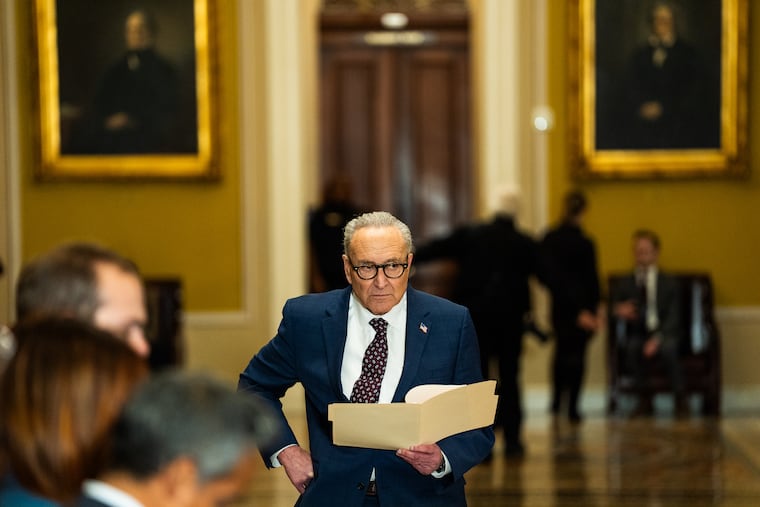
Union leaders went after one Republican in particular: Senate President Pro Tempore Kim Ward (R., Westmoreland).
Ward has been outspoken about her support for school vouchers as education emerges as a sticking point in negotiations and said in an interview earlier this month that Republicans “should be getting something” in exchange for the adequacy formula.
Lamb and the PSEA referenced similar comments Ward made on the radio while discussing school choice as a sticking point, and accused her of “holding up the state budget” until lawmakers agree to allocate millions of dollars to vouchers for private and religious schools.
In a statement, Ward said the Senate “passed a responsible budget” earlier this month that would have immediately funded schools and did not include vouchers.
“The House democrats blocked the measure,” she added in the statement, which did not capitalize the rival party’s name. “PSEA is gaslighting Pennsylvanians and could have their funds for schools immediately if they can get the House democrat majority to vote on the budget we sent them.”
The Philadelphia School District missed more than $27.7 million in state funding payments in July and is slated to miss more than $437 million on Aug. 28, according to estimates from PSEA.