How Gov. Josh Shapiro quietly shaped Penn’s response to allegations of antisemitism on campus
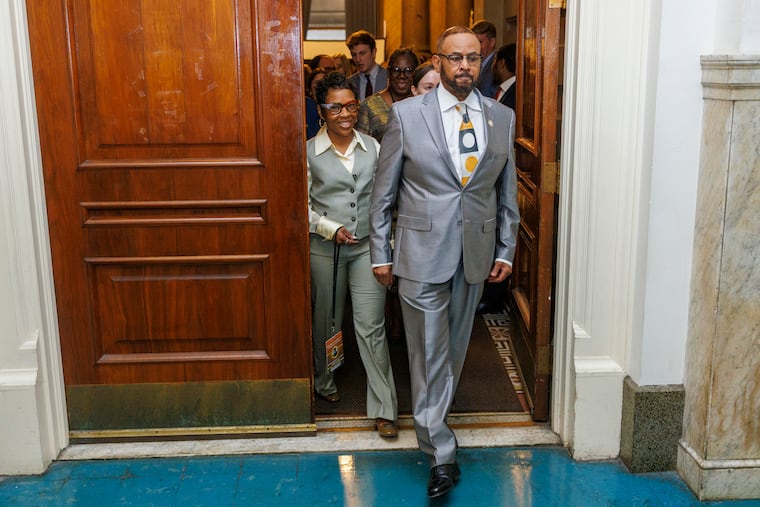
Gov. Josh Shapiro appointed his close ally Robert Fox to the University of Pennsylvania Board of Trustees through an old statute in an unprecedented move, per a Chronicle of Higher Education report.

Gov. Josh Shapiro’s administration had significant influence on the University of Pennsylvania’s handling of allegations of antisemitism on campus before the governor spoke publicly about the issue, according to a Chronicle of Higher Education report that cites previously unseen internal communications between the university and Shapiro’s administration.
According to the report, published Thursday, Shapiro utilized an “archaic statute” that allowed the governor “a nonvoting observer seat” on the private institution’s Board of Trustees following antisemitic incidents on campus. That was an unprecedented step that allowed Shapiro to have “a subtler sort of political influence” than President Donald Trump’s headline-making attempts to shape higher education, reported Ben Binday, a University of Pennsylvania student journalist at the Daily Pennsylvanian, who authored the piece for the Chronicle.
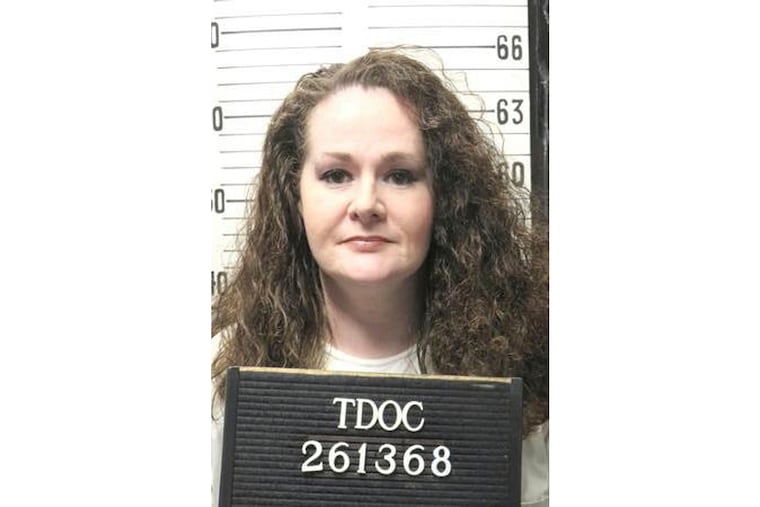
Shapiro appointed his close ally Robert Fox — a Philadelphia lawyer and Penn alumnus who worked as an adjunct professor at its law school — as his representative to the board to focus on antisemitism in early November 2023, according to the report. The school at that point was facing rising pressure over antisemitism on campus in the fallout of Hamas’ Oct. 7, 2023, attack on Israel that led to the resignations of Penn’s then-president, Liz Magill, and its board chair, Scott Bok.
Fox is Shapiro’s singular appointee on the state SEPTA board. He also served on Shapiro’s 2022 gubernatorial transition team, and in 2015 he was appointed to the SEPTA board by the Montgomery County Board of Commissioners, which Shapiro chaired at the time.
Bok told the Chronicle that the university gave in to Shapiro’s desire “to have someone who was his eyes and ears in the room” to maintain a strong relationship with the governor during a chaotic time for the school.
Manuel Bonder, Shapiro’s spokesperson, called Fox’s appointment “customary.”
“The Governor, Fox, and our Administration have regularly been engaged to combat hate and antisemitism at Penn and many other Pennsylvania universities, and we will continue to do so as we work to support students and create opportunities to succeed across the Commonwealth,” Bonder said in a statement to the Chronicle, which he pointed to when asked by The Inquirer for further comment.
Fox immersed himself in board matters and joined the university’s two-month-old antisemitism task force in early 2024, though some members were concerned his appointment would politicize the nascent effort. He declared that he was trying to represent Shapiro’s positions and said in an email obtained by the Chronicle that he did not want to simply be an “observer.”
Fox “in consultation with members of Shapiro’s office” put pressure on Penn to ban a pro-Palestinian group on campus in early 2024, the Chronicle found. During the subsequent pro-Palestinian encampment demonstration, Penn administrators shared with Shapiro’s office such details as protester identities and their private negotiations with the university as Shapiro was quiet on the issue in public.
An unnamed university spokesperson told the Chronicle that Fox “has helped us design and implement thoughtful programs that make our campus a safer and more welcoming place for everyone.” The university’s media relations director, Ron Ozio, declined to comment beyond the remarks in the piece.
The revelations in the Chronicle piece align with The Inquirer’s May 2024 reporting that Shapiro already knew Penn and the city were working to disband an encampment of pro-Palestinian protesters when he publicly called for the university to disband it.
Stacey Snider, a member of Penn’s School of Arts and Sciences’ board and former chair and chief executive of 20th Century Fox, said in a May 6, 2024, email obtained by the Chronicle that she had not seen the governor’s views on the encampments “readily or heartily presented” in public view and that the university needed the governor to pressure the city for support from the police department to help disband the protests.
“When the trustees had the power to make change at Penn regarding Liz and Scott we heeded the call,” Snider wrote. “We did what was required. With the governor’s nudge and with his support.”
“Penn police and Larry Jameson can’t be expected to clear an urban protest without support from law enforcement,” Snider added. “Similarly, Penn can’t negotiate a peaceful settlement without some leverage. Do you see a more fulsome role for Governor Shapiro to play? Can the trustees help him? Provide some cover?”
The behind-the-scenes look into Shapiro’s approach to the controversial protests comes as he gears up to run for reelection and is rumored to be a 2028 presidential contender, both of which come with increased scrutiny.