‘Not looking to raise taxes’: Gov. Josh Shapiro gives tepid response to Mayor Parker’s budget plans
The governor, who is widely expected to run for president in 2028, touted his record of cutting taxes during a visit to West Philadelphia.
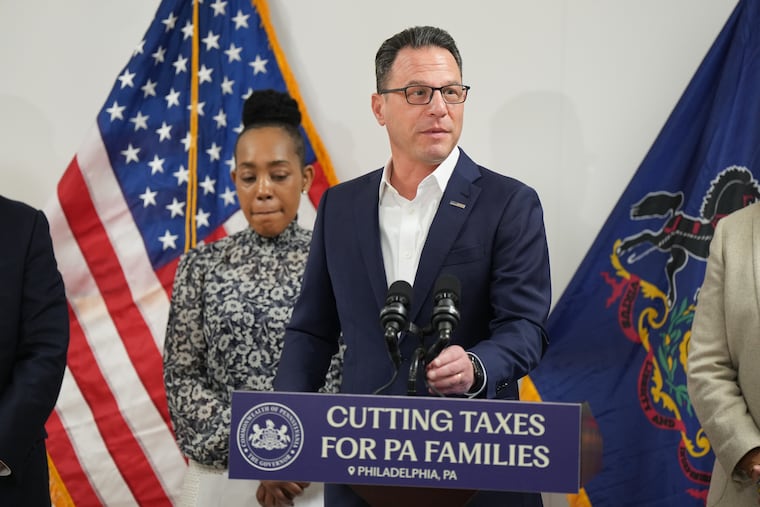
Mayor Cherelle L. Parker’s $7 billion city budget proposal includes two tax-raising measures that will require state approval, meaning she will have to win over Harrisburg Republicans who control the State Senate to make her plan a reality.
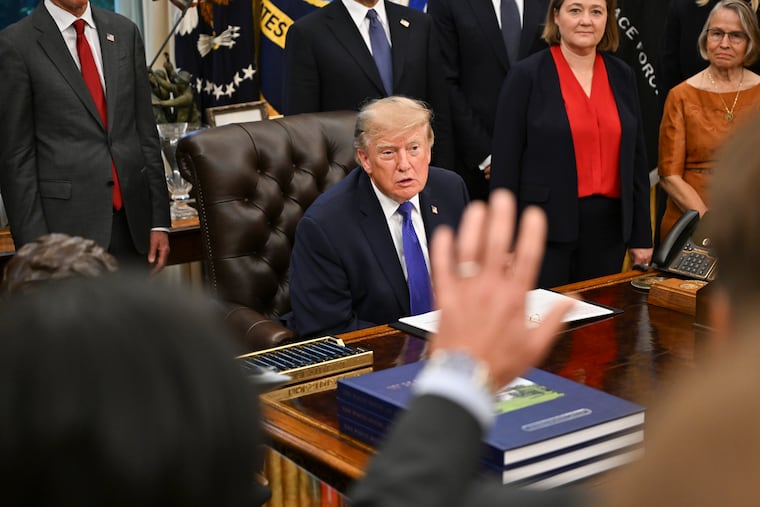
It turns out Parker will also need to convince at least one notable Democrat in Harrisburg: Gov. Josh Shapiro.
» READ MORE: Mayor Parker turns to Harrisburg — and GOP allies — to make her budget priorities work
Shapiro on Friday visited West Philadelphia to promote the Working Pennsylvanians Tax Credit, a new benefit he secured in last year’s state budget negotiations that allows low- and moderate-income households to get a state income tax credit of up to $805.
The governor, who is widely expected to run for president in 2028, framed the new program as one of several instances in which he has worked to lower taxes for Pennsylvania workers and businesses. And when asked if he supported Parker’s proposals, he noted that they would be moving in the opposite direction.
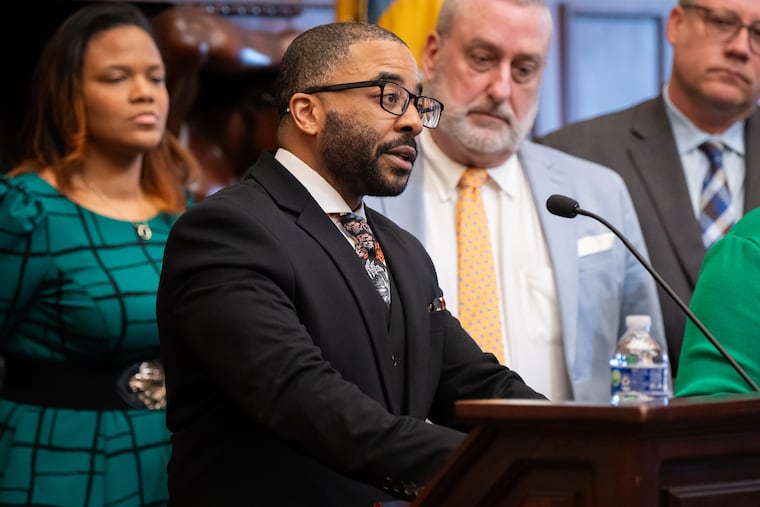
“l’ll get together with the mayor and see what she has in mind,” Shapiro said at the CHOP Karabots Pediatric Primary Care Center. “You just heard me stand up here today and talk about the seven times we’ve cut taxes in Pennsylvania, and I’m proposing to cut taxes again. I’m not looking to raise taxes across the state. But I’m happy to hear out the mayor on what her plans are.”
In response to Shapiro’s comments, Parker on Friday said, “While we applaud statewide efforts to reduce taxes, Philadelphia cannot afford to wait for a rescue that isn’t coming.”
“We are at a crossroads where ‘business as usual’ is no longer an option,” she continued.
The mayor last year enacted years of scheduled cuts to the city’s wage and business taxes. But her budget proposal this year also includes several revenue-raising measures, such as hikes to minor taxes and new fees.
Parker’s proposal to enact a $1-per-ride tax on rideshare services like Uber and Lyft, which would generate about $48 million per year for the Philadelphia School District, has drawn the most attention so far. The administration needs City Council approval to enact that fee, but not state legislation.
The two measures that require a green light from Harrisburg are:
Increasing the city hotel tax from 15.5% per room night to 17.5% to generate an estimated $20 million per year to pay for 1,000 new homeless shelter beds.
Closing a loophole that allows online retailers outside Philadelphia to avoid paying the 2% local sales tax for transactions in the city
“To solve intractable challenges like the nation’s largest open-air drug market and chronic homelessness, Philadelphia must lead itself,” Parker said in her statement Friday. “For too long, we’ve allowed the worst humanitarian crisis in decades to persist on our streets. We are now saying: no more.”
The hotel tax increase, she said, is a “targeted, $20 million investment to achieve a clear, bold goal: ending street homelessness in Philadelphia.”