Mayor Cherelle Parker’s new budget plan includes fees on Uber and Amazon, 1,000 homeless shelter beds, and $200M for addiction recovery
After Parker delivers her budget address, City Council will hold hearings on her proposal and negotiate with the administration over potential amendments.
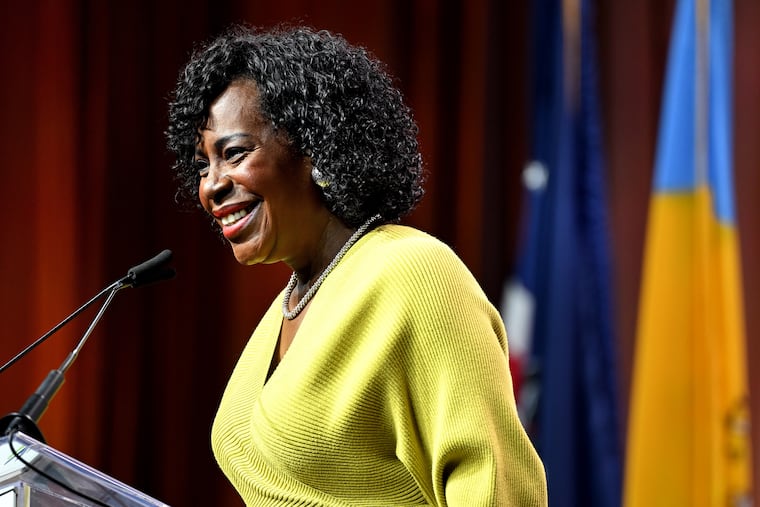
Mayor Cherelle L. Parker on Thursday will propose creating new city fees for rideshare and retail delivery services, increasing the hotel tax to expand homeless shelter space, and spending an additional $200 million over five years on her administration’s addiction recovery facility, according to multiple people who were briefed on Parker’s roughly $7 billion proposal for the next city budget.
Parker will formally unveil her proposal Thursday morning in her third annual budget address to City Council, kicking off three months of hearings and negotiations before lawmakers are expected to approve the city’s new taxing and spending plan in June.
» READ MORE: Mayor Cherelle Parker unveils ‘economic mobility agenda’ in $7 billion city budget proposal
City Hall is entering what’s known as “budget season” in a relatively strong financial position. The current budget, which lawmakers approved last June, was originally projected to include $6.8 billion in spending. That has grown to just under $7 billion, according to the latest Quarterly City Manager’s Report.
But the next budget will also be the first since the expiration of federal funding for the American Rescue Plan Act, the COVID-19 pandemic relief plan Congress adopted in 2021 under President Joe Biden. Philadelphia received $1.4 billion, and it dedicated all of it to revenue replacement in recent years, making up for depressed tax collections in the wake of the pandemic.
After Parker’s speech Thursday, Council will spend the next months holding numerous hearings to examine the budget proposal on a department-by-department basis. Then Council President Kenyatta Johnson and Parker’s team will negotiate over amendments to the plan.
The next budget takes effect July 1.
» READ MORE: Who benefits — and who pays — in Mayor Cherelle Parker’s new Philadelphia budget plan
Council’s last scheduled meeting before lawmakers’ summer recess is June 11. Under normal Council procedures, the negotiated budget compromise would have to get preliminary approval in committee no later than June 4.
Two people who have been briefed on Parker’s proposal provided details on the condition of anonymity because they were not authorized to speak to the press.
Here are some highlights from Parker’s budget plan.
New rideshare and delivery service fees proposed
Under Parker’s proposal, City Hall would enter the gig economy — to collect fees.
Parker is proposing a 20-cent-per-ride fee for rideshare services like Uber and Lyft, with the more than $9 million in annual revenue being dedicated to the School District of Philadelphia.
» READ MORE: Uber says rides in Philly would cost you more under Mayor Parker’s budget plan
Although the proposed fee is new, the Philadelphia Parking Authority, a state agency that regulates taxis and rideshare services in the city, already levies a 1.4% tax on the gross receipts of rides that originate in Philly. Two-thirds of the revenue goes to the school district.
Additionally, Parker’s budget includes a 25-cent fee for retail delivery orders from companies like Amazon. The fee would exclude purchases of essential goods such as food and medical devices. The $15 million in expected annual revenue would be dedicated to the city’s Transportation Fund, which funds projects such as street paving and traffic safety initiatives.
SEPTA affordability programs preserved
Parker’s budget calls for preserving two transit affordability programs that have been hotly debated in City Hall.
The plan would include $25 million in funding for SEPTA Zero Fare, which provides free rides to low-income city residents.
» READ MORE: City funding is unclear for Zero Fare program giving SEPTA passes to low-income Philadelphians
It would also continue the Key Advantage program that covers fares for city employees.
Council members and transit advocates have pushed the administration to continue those programs, which were established under former Mayor Jim Kenney.
Hotel tax increase to boost homeless services
Parker is also expected to propose adding 1,000 beds to the city’s network of homeless shelters, which would be a more than 30% increase over the city’s current capacity. To fund the expansion, Parker is proposing increasing the hotel tax by 2% from 15.5% to 17.5%. Doing so would require authorization from both city and state lawmakers.
Officials estimate increasing the tax would generate an additional $20 million a year. The city this year allocated $84.2 million to the Office of Homeless Services, which also receives millions of dollars each year in state and federal grant funding. The office is responsible for conducting outreach to people living on the street, and it disburses funding to a network of third-party housing providers and shelters.
Parker has said she wants to make addressing rising homelessness a key administration initiative this year. Last year, there were 1,178 unsheltered people in the city, a 20% increase over the previous year, according to city data.
In December, during her end-of-year State of the City speech, Parker signed an executive order to add shelter slots to the city’s existing stock. The order directed city agencies to bolster outreach efforts to people living on the streets and to work with the Philadelphia Housing Authority to increase the number of people relocating from shelters into stable housing.
More funding for Riverview recovery facility
The proposal will also include an additional $200 million over five years for the city’s Riverview Wellness Village, a city-owned recovery house the Parker administration opened last year in Holmesburg. More than 200 people recovering from addiction currently live in the facility, and residents can stay there for up to one year.
» READ MORE: A ‘whole new life’ at Riverview: Inside Philadelphia's city-owned drug recovery home
Most of that funding would come from dollars allocated to the city as part of settlement agreements with corporations that developed, marketed, and sold the powerful painkillers that fueled the yearslong opioid crisis. That includes $200 million from opioid manufacturers that settled with communities across the country, and the pharmacy giant Walgreens, which reached a separate $110 million settlement with the city in 2024.
The city had already allocated $400 million to fund construction and operation at the facility. Parker has framed Riverview as a core part of her administration’s effort to address the drug market in Kensington, where there has for years been sprawling homelessness and open drug use.
No changes to plans for major taxes
Parker is not proposing any major changes to the city’s existing plans for its three largest sources of local revenue: wage, property, and business taxes.
Nevertheless, wage and business tax rates would fall under her plan, and property tax bills would increase for most property owners.
Last year, Council approved Parker’s plan to adopt five years of incremental cuts to the city wage tax and 13 years of cuts to the business income and receipts tax, or BIRT. Parker and Council can alter those schedules at anytime — to pause those reductions if the city encounters a cash crunch or to accelerate the cuts to reduce tax burdens more quickly.
» READ MORE: Why Mayor Cherelle Parker is asking Council to approve a tax cut that will take effect in 2038
But under Parker’s proposal for the next budget, those scheduled rate cuts would continue as planned.
Additionally, Parker is not proposing a change to the property tax rate. But many homeowners will receive higher tax bills because the city is reassessing all properties.