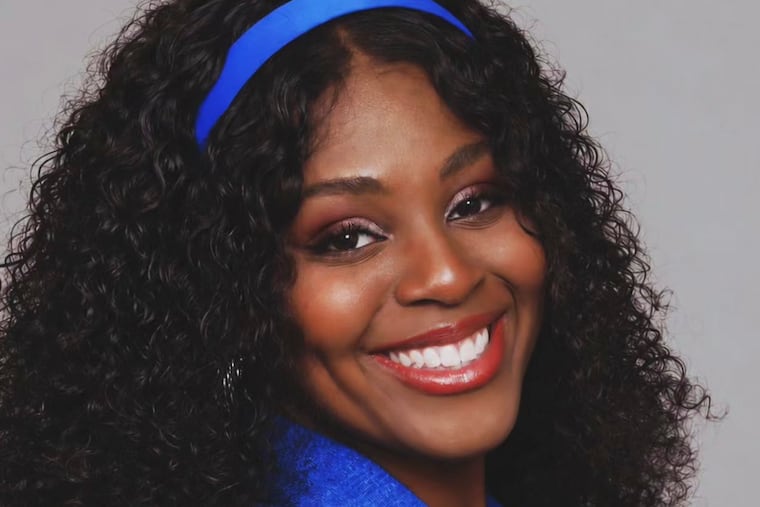
Mayor Cherelle Parker won’t say how Philly is responding to President Donald Trump’s demands on ‘sanctuary’ policies
Parker's opaque response regarding Trump's request demonstrates how her strategy of avoiding conflict with the White House is likely to come under strain.

In response to a demand from President Donald Trump’s administration that so-called sanctuary cities and states affirm by Tuesday that they will end their immigrant-friendly policies, Democratic leaders in many of the targeted jurisdictions this week announced they were defying or simply not responding to the federal government’s request.
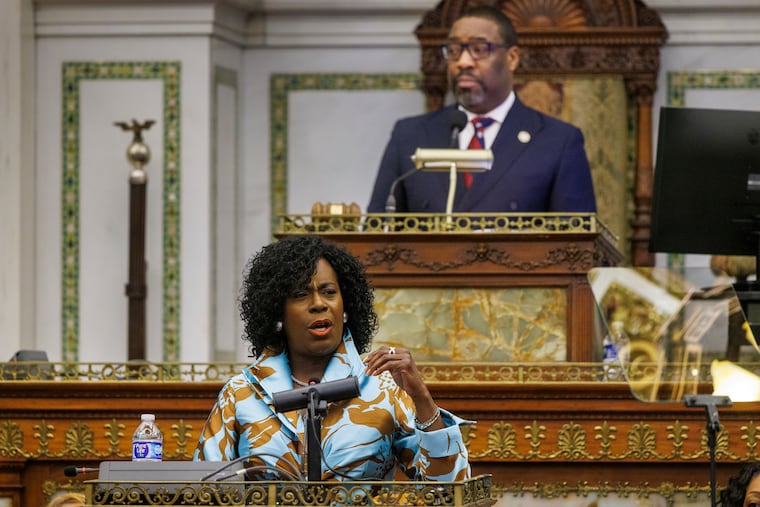
How is Philadelphia responding? Mayor Cherelle L. Parker would rather not say.
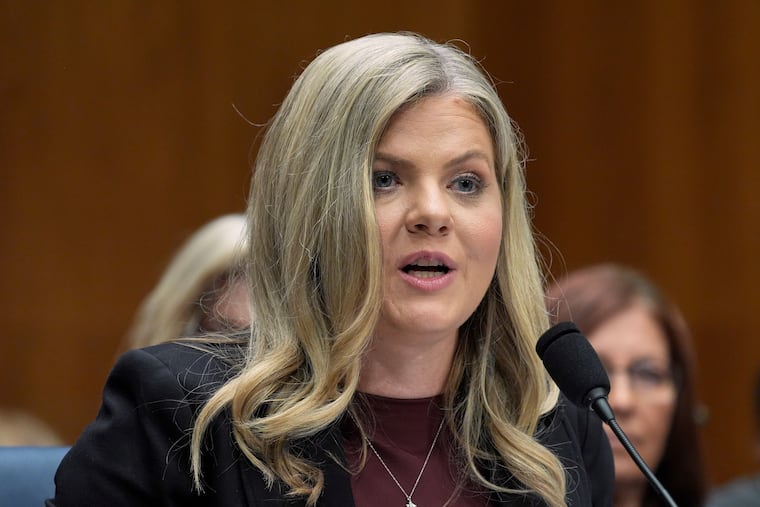
“Our Law Department will address any inquiries from the U.S. Justice Department in accordance with applicable procedures,” City Solicitor Renee Garcia, a top Parker appointee, said in a statement Thursday.
Department of Justice spokesperson Natalie Baldassarre said the agency sent the city a letter from Attorney General Pam Bondi that was dated Aug. 13 and addressed to Parker and Garcia. The DOJ provided a copy of the letter but declined to comment on whether Philadelphia has responded.
Garcia’s comments initially did not make clear if the city had responded to Bondi’s letter. Later Thursday, Garcia sent a second statement implying the city never received it, despite the DOJ saying it was sent and other jurisdictions acknowledging they received it.
“If and when the City of Philadelphia receives correspondence from the U.S. Justice Department, our Law Department will respond accordingly,” Garcia added.
A Parker spokesperson declined to elaborate.
Since Trump took office in January, Parker has sought to maintain Philadelphia’s policies while avoiding direct confrontation with the White House in an apparent attempt to keep the city from being targeted. Some local immigrant advocates have called on Parker to more vocally oppose Trump’s policies.
The opaque response regarding Bondi’s letter demonstrates how Parker’s strategy is likely to become more difficult to maintain as the White House ramps up its efforts to crack down on and deny funding to “sanctuary” cities.
» READ MORE: How much could Philly lose if Trump cuts funding to cities? Here’s what you need to know.
During Parker’s tenure, city leaders have referred to Philadelphia as a “welcoming city,” rather than a “sanctuary city.” But Parker has maintained immigration policies adopted by her predecessor, Jim Kenney, that the Trump administration is seeking to stamp out. And this month, the Department of Justice included Philly on a list of 18 cities, four counties, and 13 states that it views as “sanctuary” jurisdictions.
In the letter, Bondi requested that those jurisdictions each submit a response that “confirms your commitment to complying with federal law and identifies the immediate initiatives you are taking to eliminate laws, policies, and practices that impede federal immigration enforcement.” The jurisdictions had a deadline of Aug. 19 to respond, she wrote.
She also warned that the federal government could withhold funding to those jurisdictions and criminally charge local officials who resisted the Trump administration, an incendiary and legally dubious threat.
“Individuals operating under the color of law, using their official position to obstruct federal immigration enforcement efforts and facilitating or inducing illegal immigration may be subject to prosecution,” Bondi wrote.
Numerous courts have ruled that local jurisdictions are not required to assist immigration enforcement, a federal responsibility, and some have found that attempts to coerce them to do so may violate the Constitution’s 10th Amendment.
Policies unchanged
Garcia said Thursday that Philadelphia’s policies are legal and have not changed.
“The City of Philadelphia remains in compliance with all applicable federal and state laws regarding immigration, and the 2016 executive orders regarding detainers remain in place,” Garcia said.
In 2016, Kenney signed an executive order prohibiting Philadelphia’s jails from honoring detainer requests, in which U.S. Immigration and Customs Enforcement asks local jails to hold inmates suspected of immigration violations for an additional 48 hours beyond when they would have otherwise been released to facilitate arrests by federal agents.
Declining detainer requests is among the most prominent of the state and local policies that conservatives have said improperly impede immigration enforcement.
Louisville, Ky., Mayor Craig Greenberg in July ended his city’s policy of not honoring the requests after the Trump administration identified it as a sanctuary jurisdiction, in an initial list that was posted in late May to the DOJ website before being removed in early June after errors were discovered. (Philadelphia was included in the DOJ’s original list as well as the more recently published one.)
“The stakes are too high,” Greenberg reportedly said at the time. “We do not want the National Guard occupying the streets of Louisville.”
Meanwhile, Boston Mayor Michelle Wu this week held a rally in defiance of Bondi’s demand and sent a written rejoinder saying her city “will never back down.”
“Stop attacking our cities to hide your administration’s failures,” Wu said. “Boston will not back down from who we are and what we stand for.”
Wu’s comments prompted acting ICE Director Todd Lyons to say immigration agents will “flood” Boston.
Parker has pursued a strategy that seeks to strike a balance between those of Greenberg and Wu: not backing down, but not picking a fight.
“There is uncertainty now in the air. People don’t know what to expect from their government,” Parker said last month, without mentioning Trump by name. “Your city is here to keep you safe and to safeguard your basic rights.”
Staff writer Ellie Rushing contributed to this article.