35% of Airbnb and VRBO rentals in Philly don’t have the right licensing, new report finds
The City Controller’s report recommends simplifying the “complicated compliance process for hosts.”

More than a third of short-term rental properties like Airbnb and VRBO in Philadelphia have licensing issues, according to a new report from the City Controller’s office released Tuesday.
The controller found that of 3,734 analyzed licenses associated with short-term rentals, 1,327 were expired or noncompliant.
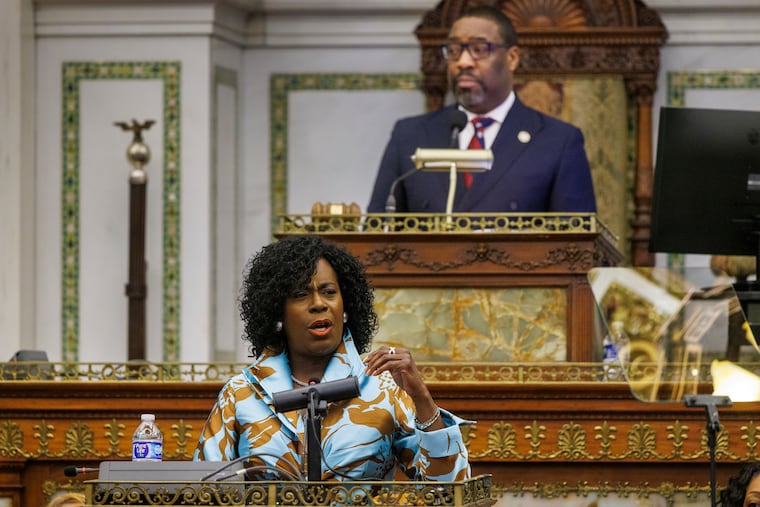
“Short-term rentals are an increasingly important part of Philadelphia’s lodging market, especially during major events that we’re experiencing right now,” City Controller Christy Brady said in a news release.
“The industry’s growth requires a clear, efficient regulatory framework with strong licensing and enforcement tools to identify noncompliance,” her statement read.
The city adopted licensing requirements in 2023, after coming under scrutiny for lack of regulation.
In one case highlighted by the report, the controller found a host operating 50 listings in the city without any of the correct licensing.
In other cases — including one property offering renters the chance to “Chill in Style Anime Themed Escape”— licenses were either absent or associated with unrelated uses like dumpsters or towing companies.
Philadelphia’s short-term rental market has been in the spotlight this summer, as the city hosts major tourism events including the 250th anniversary of the Declaration of Independence, the World Cup, and Major League Baseball’s All-Star Game.
The city has 121 registered hotels with 19,615 rooms and over 4,000 short-term rentals.
That’s a large reduction from before the licensing regulations took effect in 2023, according to the Department of Licenses and Inspections (L&I).
L&I says it has removed 10,452 unlicensed properties from rental sites since the beginning of 2024.
Under the regulations adopted in 2023, short-term rental hosts who live in the properties they are renting have to get a zoning permit and a “Limited Lodging Operators License.”
For those who do not live in the property, a zoning permit and a rental license with a hotel designation is needed. The licenses must be renewed annually.
No short-term rentals are allowed in the Far Northeast section of Philadelphia, where City Councilmember Brian J. O’Neill, a Republican, banned them.
The controller’s report recommends simplifying the “complicated compliance process for hosts” and switching to a more tech-oriented enforcement approach, which could monitor “noncompliant listing across multiple platforms.”
The result, the report suggests, would help the system move away from “complaint-driven enforcement managed by a small staff” of L&I workers.
Nashville and Mount Pleasant, S.C., have outsourced short-term rental regulation monitoring to third-party companies using automated tools to track listings across platforms.
As a result, they both saw over 90% of rentals complying with local laws, a huge increase from the previous status quo.
“The city can benefit from using technology-assisted monitoring tools that can support the identification of potentially noncompliant listings across multiple booking platforms,” Brady said in a statement. “Other cities are already utilizing this technology and significantly improving their enforcement measures.”
In the run up to the World Cup, short-term rental hosts in Philadelphia — as well as hotel leaders — have expressed concern that the anticipated level of consumer interest before this summer’s festivities has not fully materialized.
Just before the games began, the region’s short-term rental market had an occupancy of about 60%, according to AirDNA, which analyzes data from companies like Airbnb and VRBO.