Contractor caused construction of the W and Element hotels to go ‘off the rails,’ judge finds
A judge found that the construction contractor, Tutor Perini Building Corp., subcontracted the concrete work to a company that botched the job and denied the issues for months.
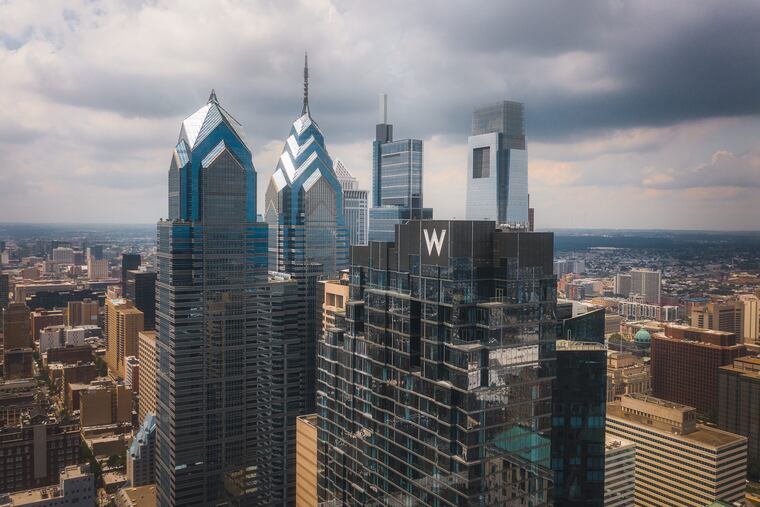
When a Marriott representative visited the construction site of the W Philadelphia hotel in Center City in January 2019, months after the project should have been completed, the concrete floors were so uneven that a pen placed on the ground rolled downhill.
The construction of Philadelphia’s largest hotel, home of the W and the Element, both part of the Marriott umbrella, began in 2015 and had a strict 2018 deadline for completion. Delays led to an avalanche of nearly 30 lawsuits with the site’s owner, construction contractor, and design company pointing fingers at each other.
The W, which comprises 295 rooms of the 51-story building, eventually opened in 2021, roughly three years late.
Bringing to a close 25 of the lawsuits, a Philadelphia judge issued a 69-page memo last week laying out the saga and finding the construction company responsible for the project going “off the rails.”
Common Pleas Court Judge James Crumlish found that the construction contractor, Tutor Perini Building Corp., subcontracted the concrete work to a company that botched the job. And despite knowing about the problems, which were detrimental to the entire project, Tutor denied the issues for months.
The judge’s finding comes after trial testimonies that took five months as the parties “turned this litigation into a challenging behemoth that made any effort at resolution impossible,” Crumlish wrote.
A yearslong saga
The saga began when Chestlen Development LP, the owner of the site, picked Tutor as the construction manager. The agreement capped the cost of construction at $239 million and required completion within 1,017 days after April 2015.
An attorney for Tutor did not respond to a request for comment.
From the outset, Tutor suffered “chronic turnover of its personnel,” the judge wrote, resulting in the loss of “institutional knowledge of key decisions.”
Tutored subcontracted the concrete work to Thomas P. Carney Inc. Construction, a Bucks County company.
When a different subcontractor, Ventana DBS LLC, began installing the wall-window systems, they immediately noticed a “big problem,” according to the judge’s memo. In many places the concrete wasn’t level or did not meet the elevation requirements in the design.
Tutor pushed back, denying that there was a problem, while quietly attempting to grind the edges of the concrete slabs to address the issue.
While denying the problem, Tutor hired outside advisers to evaluate the concrete work. But they confirmed the problem too.
Finally, in March 2018, Tutor shared the outside reports that acknowledged Carney’s shoddy concrete work with Chestlen’s representative for the project.
As summer 2018 began, it was clear that the project would not be completed on deadline.
In September 2018 Tutor asked Chestlen for an extension, which the owner rejected, saying the request came “months if not years after some of the concrete issues started to become apparent,” according to Crumlish’s memo.
The remediation of the floor began in April 2019 and was completed in October.
The building finally obtained a certificate of occupancy in April 2021. But Marriott couldn’t open the W until August because over a hundred window vents were inoperable because Tutor failed to follow the design.
“Tutor knew that the floors did not meet specifications but did not timely disclose its knowledge to Chestlen or consult with it,” Crumlish wrote. The judge further found that Tutor refused to work with contractors to remediate the problems in 2017 and 2018, and proceeded to install interiors over the deficient concrete floors.
The blame game
Throughout the litigation, the parties all blamed one another for various problems and aspects of the delay.
Costs and liens piled up.
Chestlen paid Tutor $239 million for the construction, accrued over $40 million in damages as set in its contract with Tutor, and paid tens of millions to remediate the floors. The property is “clouded with over $155 million in liens,” according to the judge’s memo.
Crumlish concluded that Tutor breached its contract when it failed to oversee the concrete work and the window-wall installation, and generally didn’t fulfill its obligations.
“Every delay in the performance and completion of the project is the responsibility of Tutor and Carney,” the judge said. The judge will decide on the amount of damages following hearings scheduled for January.
Chestlen’s attorney was unavailable to provide comment. Carney did not respond to a request for comment.
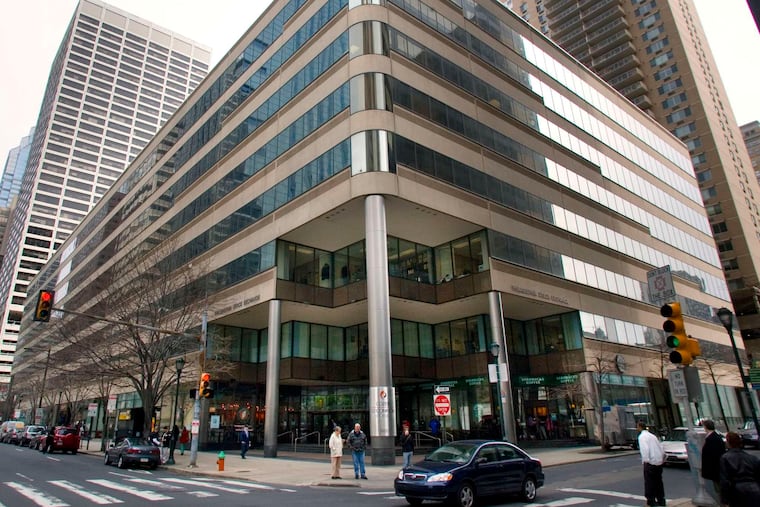
The W hotel is located where One Meridian Plaza used to be, before that building suffered a devastating fire in 1991 and was finally demolished in 1999.
Filling the vacant lot, a mere block from City Hall, became a top priority for policymakers during Mayor Michael Nutter’s time in office. The hotel proposal eventually received $75 million in taxpayer support across local, state, and federal funding sources in addition to other legislative assistance.
The project was developed by Brook Lenfest, son of the former Inquirer owner H.F. “Gerry” Lenfest, whose foundation continues to own the newspaper today.