Philadelphia created an automated system that checks whether home sellers are dead
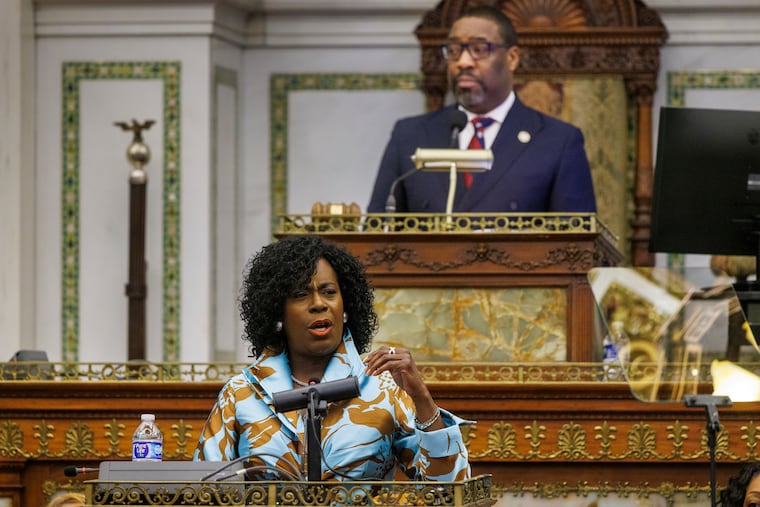
Mayor Cherelle L. Parker said Philly is the first local government in the country to launch such a system to prevent the recording of forged deeds from dead homeowners. It's how thieves steal homes.

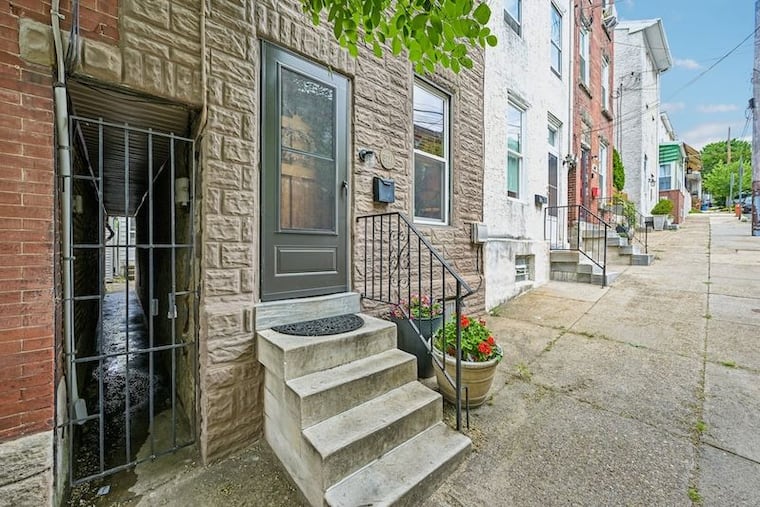
Philadelphia has a persistent problem with thieves swooping in to forge deeds and sell homes that are technically owned by dead people.
But the city just rolled out a system that officials say will prevent home stealing and keep families from losing the generational wealth that homeownership can create.
Now, when someone who’s attempting to sell a home in Philadelphia submits a deed for the city to record, the city’s new automated system will use government databases to check whether the seller was dead at the time the deed was signed, city officials announced Thursday. If records show the seller was dead, the city will reject the deed.
Mayor Cherelle L. Parker said Philadelphia is the first local government to launch such a system.
» READ MORE: Stealing from the dead, an Inquirer investigation
“Deed fraud is a silent crisis that’s affecting neighborhoods across our city,” she said.
Thieves who forge deeds from deceased property owners are “creating a nightmare for those families and their heirs,” Parker said. “Once these fraudulent deeds are recorded, victims face costly and time-consuming legal battles to reclaim their property. Battles that many of them, quite frankly, cannot afford to fight.”
Victims of deed theft disproportionately are people of color, seniors, and residents in “our most vulnerable neighborhoods,” Parker said.
Investigations by The Inquirer showed that deed theft grew in Philadelphia alongside gentrification as property values rose in neighborhoods that became more desirable. Thieves can make a lot of money by forging deeds and posing as fake heirs to flip properties to developers.
City officials said Philadelphia’s records and revenue departments as well as the District Attorney’s Office worked for years to develop the verification system and get necessary approvals from the federal government and the city’s law department. The system checks sellers’ information against death records from the Social Security Administration and city databases.
Before this system, there was no way to easily verify whether a property seller was alive when a deed was signed, said Jim Leonard, commissioner of the city’s Department of Records. “This created a significant vulnerability and a recording system that has been readily exploited by fraudsters over many years,” he said.
In 2024, the city’s records department received about 110 reports of deed fraud, Leonard said.
In July, a man was sentenced to six years in federal prison for stealing five Philadelphia houses in a multiyear scheme that included posing as an heir of dead owners. This spring, a Philadelphia notary was charged for her role in a scheme in which 21 homes were stolen. For many of the homes, deceased people were listed as owners.
» READ MORE: A federal judge criticized a repeat house thief for defrauding unknowing — or even deceased — homeowners
Kimberly Esack, the supervisor of the economic crimes division at the District Attorney’s Office, called the new system “a game changer.”
She said her team has been working to create the system since 2018 when she was brought onto a task force by Parker, who was then a Council member. At Thursday’s news conference, Parker referenced reporting about home thefts in the Philadelphia Daily News that spurred City Council members to look into the problem.
“This was an idea that we’re talking about that seems so simple, so simple, to be able to stop [deed theft] before it starts,” Esack said. It finally happened many years later because of the dedication and collaboration of various city departments, she said.
The automated system officially rolled out at the end of August and hasn’t created any delays in the recording of deeds, Leonard said.
The city also created a process for people to challenge the rejection of a deed if they suspect there is an error.
In developing the system, the city worked with title insurance companies and legal aid organizations such as Community Legal Services of Philadelphia and Philadelphia VIP that help residents with properties that have unclear legal ownership, or tangled titles.
Deed theft most often happens after a homeowner dies. But in 2019, the city’s records department rolled out a system called Fraud Guard that allows people to sign up to receive automatic alerts any time their names appear on a deed, mortgage, or other real estate record filed with the city.