After delays, Lehigh Avenue apartment project is ready to begin construction under a new owner
Like many apartment projects in this part of Kensington, the developer plans to court some tenants using rental voucher.
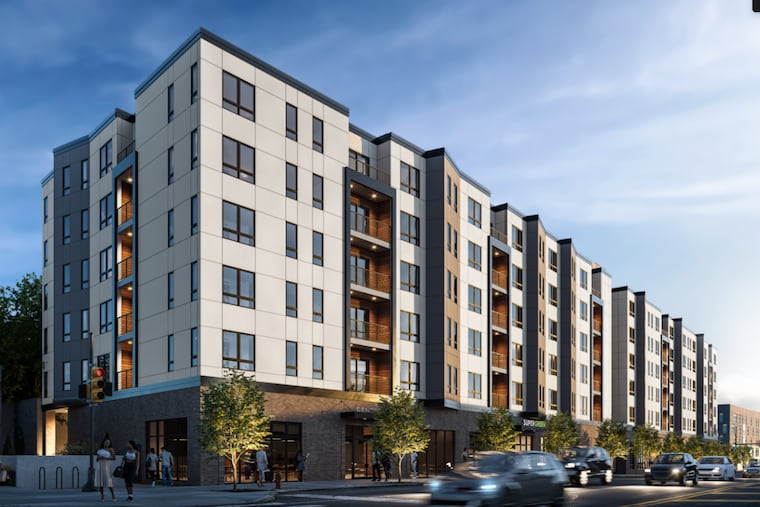
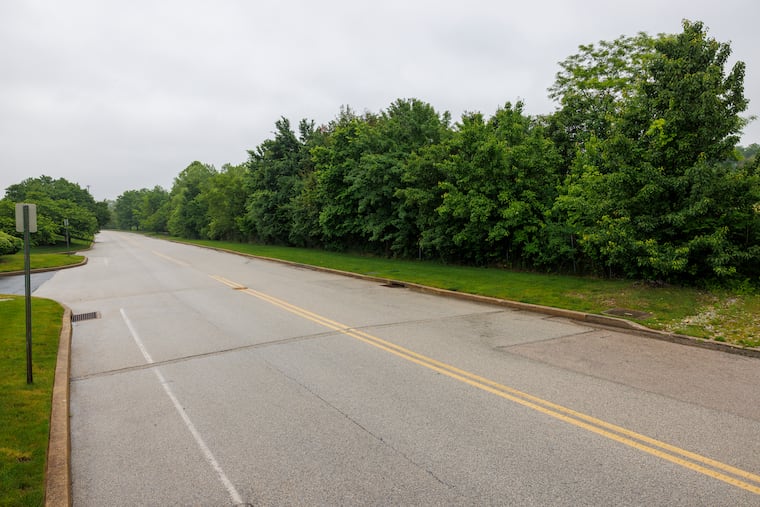
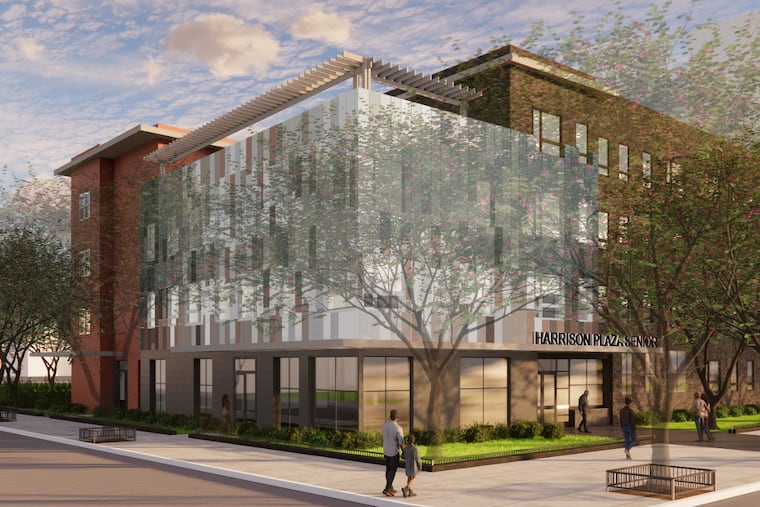
A six-story apartment project at 2001 E. Lehigh Ave. is moving forward with a new owner after years of delay amid a difficult development environment.
Five-lane Lehigh Avenue divides the southern portion of Kensington, which has experienced development more akin to the boom in Fishtown, from the parts of the neighborhood to the north that are at the heart of the city’s opioid crisis.
But along the northern edge of the avenue, next to the Conrail tracks, a series of auto-oriented and light-industrial properties have been redeveloped as housing in recent years.
“That whole corridor has continued developing. It’s even pushing over the tracks further up north, too,” said Brian Corcodilos, CEO of Designblendz, the architect for the project. “We’re confident that ... this area continues to rent up.”
The former owner of 2001 E. Lehigh, developer Isaac Singleton, secured zoning approvals for the project in 2023 and 2024. City records then show the property sold for $2.5 million in January 2025.
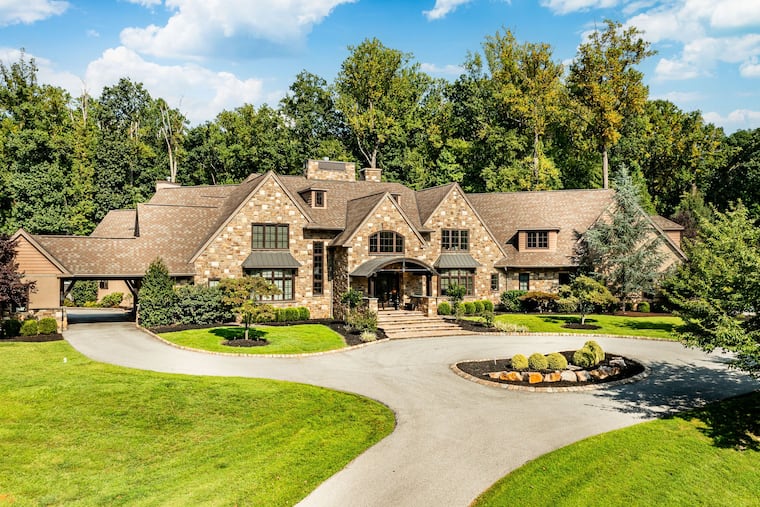
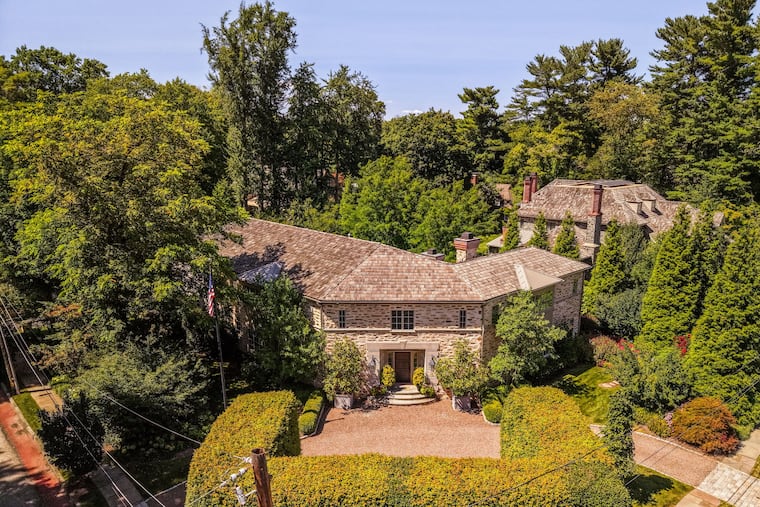
A demolition permit for the property was issued this week to an address associated with developer Roman Ovrutsky — whose home The Inquirer profiled last year — and Corcodilos said their team expects construction to begin by early spring.
Ovrutsky’s version of the project will feature 146 apartments, a slightly smaller number than Singleton proposed, and a little over 6,000 square feet of commercial space on the ground floor. The project will also have 54 underground parking spaces.
Designblendz has updated the visual palette for the project by adding darker grays and slate-colored hues.
Corcodilos said that changes in federal tax policy in President Donald Trump’s Big Beautiful Bill have enabled clients to begin building again. A lull in recent years was caused by heightened interest rates and an apartment glut that made it hard for developers to charge the rents necessary to pay back the loans on their projects.
Corcodilos said developers have also found that more projects are making sense if they use either the city’s mixed-income housing zoning bonus — which allows taller or denser construction in exchange for an affordability component — or if they base their financing on catering to some tenants who use federal rent voucher subsidies.
“That’s how a lot of these projects are getting done,” Corcodilos said.
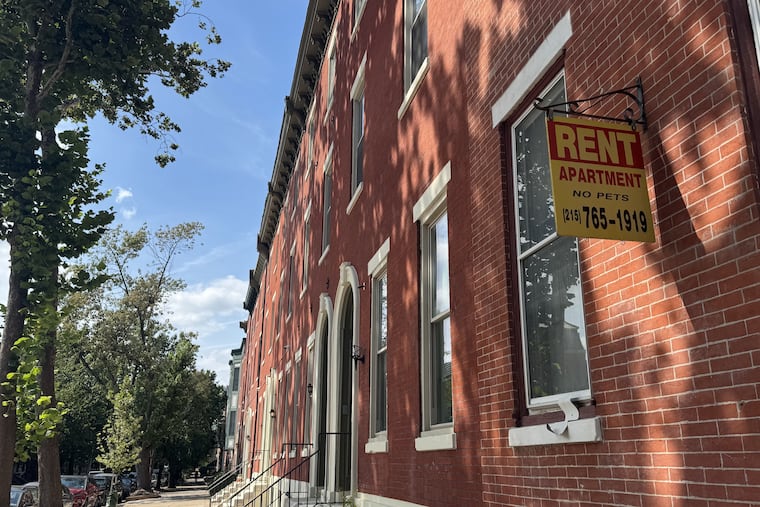
It’s illegal in Philadelphia to discriminate against renters using vouchers, but it’s common for landlords to discourage those tenants, and many buildings owners don’t proactively advertise to subsidized tenants.
But in recent years, increasing numbers of landlords have seen the advantage of tapping into a large tenant base with almost guaranteed payments.
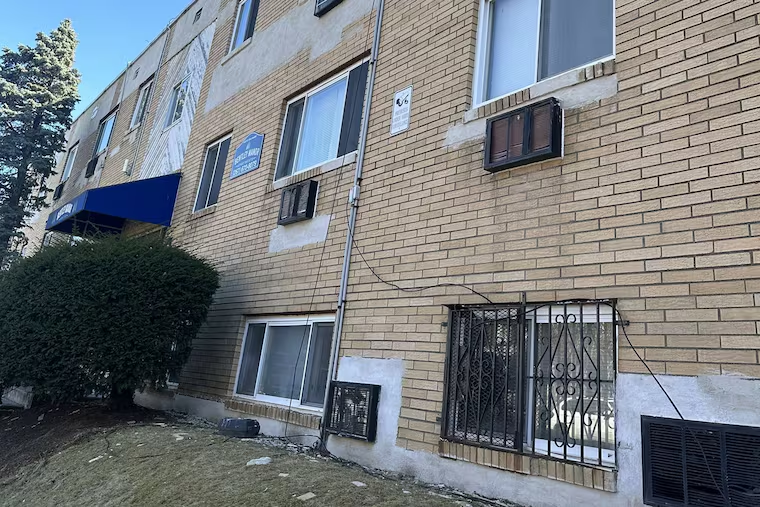
Another property just north of Lehigh Avenue at 2200 E. Somerset St. was sold last year to the Philadelphia Housing Authority, after many of its tenants ended up being voucher holders.
“A lot of these big buildings that are going up, the only way they’re penciling is if there’s some sort of an affordability component to it,” Corcodilos said.
Beyond Kensington, Designblendz is seeing an increase in work this year due to developer-friendly changes in the federal tax code, opportunities in affordable housing provision, and an easing of the overall apartment glut, he said.
“I’m not getting a sense at the moment that clients are worried about not filling their units,” Corcodilos said. “Obviously things slowed down a little bit over the last year and a half for the industry. But what we’re seeing right now, it’s busier than ever.”