From proactive inspections to retaliation protection, here’s what Philly renters should know about advancing Council bills
The legislation is meant to protect tenants from retaliation by landlords if they complain about housing conditions. It also would authorize L&I to create a proactive rental inspection program.
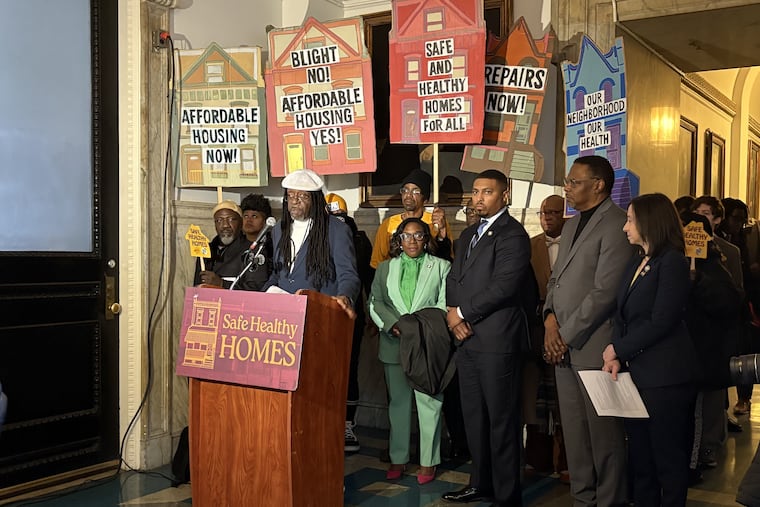
City Council’s housing committee advanced two bills on Wednesday meant to help Philadelphia renters living in unsafe or unhealthy homes.
One bill would protect tenants who complain about housing conditions from retaliation by rental property owners and affirm tenants’ rights to safe and sanitary homes.
The other seeks to hold landlords accountable for repairs and would authorize the Philadelphia Department of Licenses and Inspections to create a program to proactively inspect rental units instead of relying on tenants’ complaints to trigger inspections.
The bills are the two remaining pieces of a legislative package of renter protections introduced by Councilmember Nicolas O’Rourke. The first bill in the Safe Healthy Homes Act passed last year and created an anti-displacement fund to give financial help to renters forced to move out of their homes because of unsafe or unhealthy conditions.
The remaining bills passed out of the housing committee Wednesday after months of discussions with Council members, Parker administration officials, and landlords.
All three bills were written in partnership with the groups OnePA Renters United Philadelphia, a coalition of renters unions and advocates, and Philly Thrive, an advocacy group for racial, economic, and environmental justice. At Wednesday’s Council hearing, tenants from these groups and others who rent homes across the city testified about living with mold, pests, leaks, lack of heat, and falling ceilings.
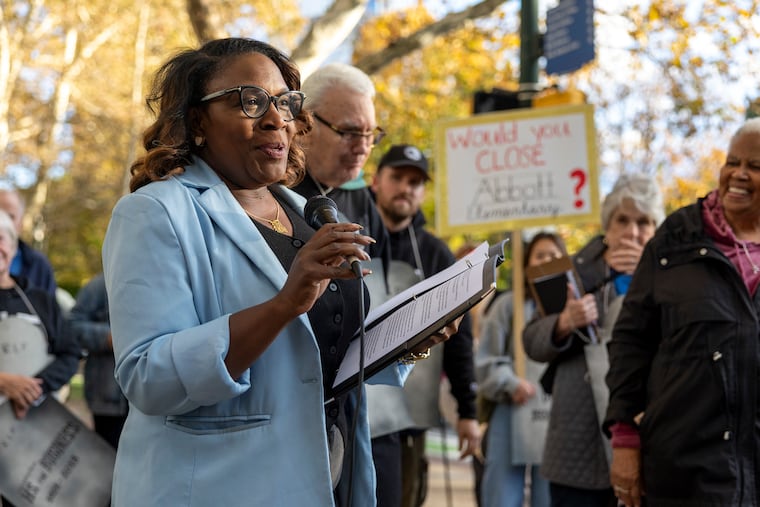
“The stories that inform the creation of this legislation come from the tenants,” O’Rourke said. Philadelphia renters “have long had to fight for the right to dignified living.”
Proactive inspections
Bridget Collins-Greenwald, commissioner of L&I’s quality of life division, said the bill that allows for a program to proactively inspect rental homes incorporates the Parker administration’s feedback.
“We believe the administration’s concerns have all been addressed and that the bill as amended can be successfully implemented,” Collins-Greenwald said to cheers and applause from tenants in the audience.
A year ago, Collins-Greenwald testified at a Council hearing that L&I was working to create a proactive inspection program. According to a Pew report from 2021, the department inspected only about 7% of Philadelphia’s rentals in a year.
O’Rourke’s legislation would require L&I to provide annual reports to Council members about the progress of the proactive inspection program.
The bill also would require rental property owners to share a copy of their rental license with tenants and to inform tenants if the license is suspended. Landlords need a valid license in order to collect rent.
Owners would also have to tell tenants about outstanding health and safety violations.
Retaliation against renters
O’Rourke’s second bill would expand protections against landlord retaliation for renters who participate in tenant unions and/or investigations of code violations.
Katharine Nelson, who oversees a housing studies initiative at the Rutgers Center on Law, Inequality and Metropolitan Equity, said the legislation addresses “a longstanding power imbalance between landlords and tenants.”
“With less fear of reprisal, tenants will be emboldened to advocate for themselves around severe habitability and repair issues,” she said. “Far too many Philadelphians live in rental units in need of significant repairs.”
The bill also would expand the city’s requirement that landlords have “good cause” for ending a tenancy — whether by lease nonrenewal or termination — and explain to tenants in writing why their tenancy is ending. Under the bill, this provision of the city’s landlord-tenant law would apply to most tenants, not just those with leases of less than a year, as it does now.
More amendments?
Groups that represent rental property owners and managers said that they support the broad goals of the bills, but that the legislation needs to be further amended. They said they worried about unintended consequences that could harm landlords, especially ones with only a few housing units.
The legislation includes a provision that would allow rental property owners to collect the full rent if they can show that the city was the reason they were unable to get a valid rental license on time. But landlords said they want more protections for rental property owners who strive to follow city laws but are stymied by government bureaucracy and frequently changing regulations.
For example, Steven Chintaman, vice president of government affairs at the Pennsylvania Apartment Association, said landlords should have to forfeit rent only if code violations impact the habitability of a home, “not [for] technical or administrative issues.”
“We remain committed to working collaboratively to preserve the intent of these bills while ensuring that they are balanced, workable, and do not unintentionally harm housing providers and the residents we serve,” Chintaman said.
O’Rourke said he would continue to work with rental property owners and other stakeholders and is open to further amendments as his bills move forward.