She borrowed $11,000 from her 401(k) to transform a ‘total dump’ in South Philly | How I Bought This House
Originally planning to rent, this homeowner found that she could buy a home if she was willing to be flexible.
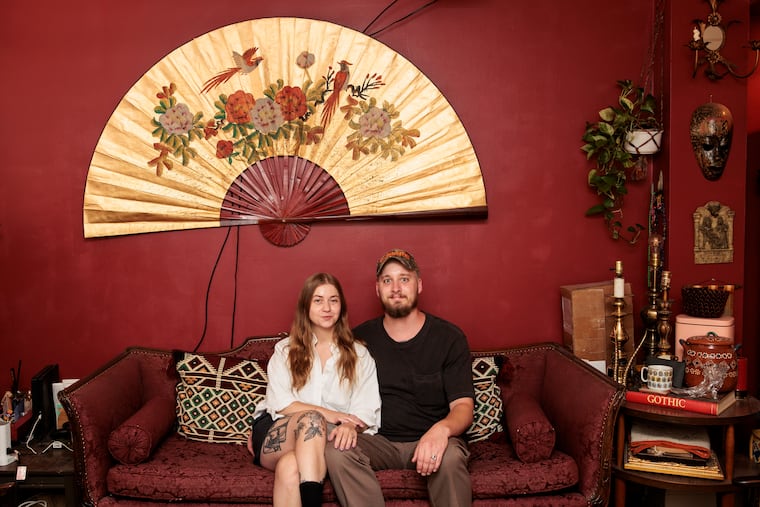
The buyer: Tessa Maropis, 29, property manager for her family’s realty business in Texas.
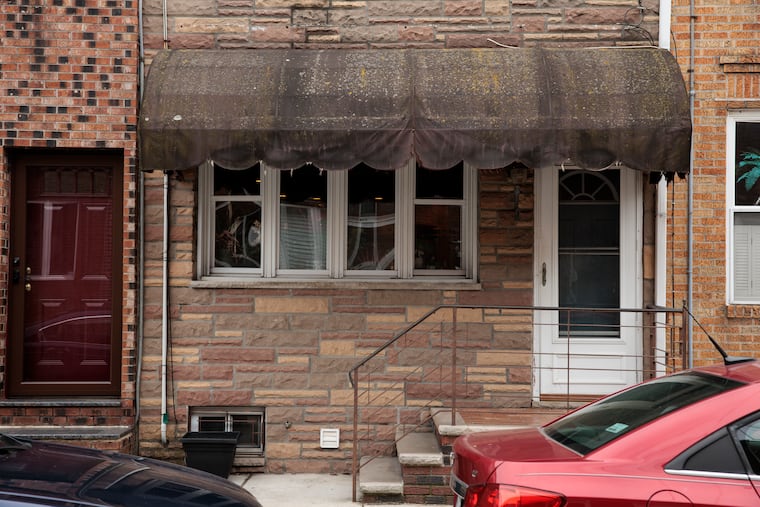
The house: An 896-square-foot rowhouse in South Philly with three bedrooms and one bath built in 1923.
The price: Listed for $280,000; purchased for the same.
The agent: Salvatore Emma, Exit Elevate Realty.
The ask: Maropis moved to Philly from Austin, Texas, in 2022 for a job, bringing her then-boyfriend with her. They signed a 15-month lease in South Philly but broke up after five months. Then they kept living together.
When the lease finally ended, Maropis wanted to start fresh. She hoped to find a rental with a bathtub and a private outdoor space that retained its original details. She didn’t want millennial gray or a sleek Ikea remodel.
She also knew she wanted to stay in the 19147 zip code. A frightening incident had left her committed to the area: Two weeks after arriving in the city, Maropis was drugged at a bar and left near her house, she said. A good Samaritan found her and drove her safely home, unharmed.
“As much as something terrible happened,” she said, “it showed me how surprisingly gentle and kind the community here was.”
The search: Maropis had bad luck on the rental market; the apartments she liked kept getting snapped up. As her search dragged on, she found what seemed like a perfect house, but the owners were offering only a short-term lease because they planned to sell soon. Not wanting to move immediately, Maropis looked into buying the house. She prequalified for a mortgage but didn’t have enough cash to make the monthly payments affordable.
It dawned on her that buying could be a real option if she found a less expensive place.
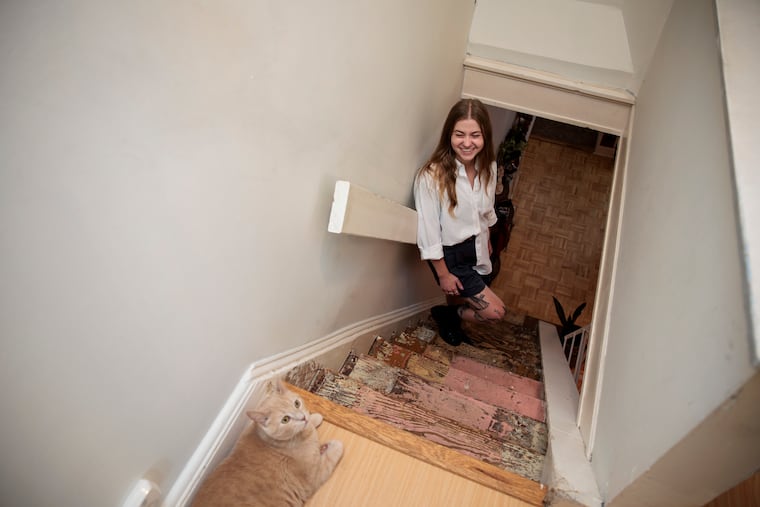
The appeal: The first house her agent showed her had attracted little interest. It was filthy; the stairs and second floor hallway were covered in poorly maintained blue shag carpeting from the 1960s, and there were holes punched in the smoke-stained walls.
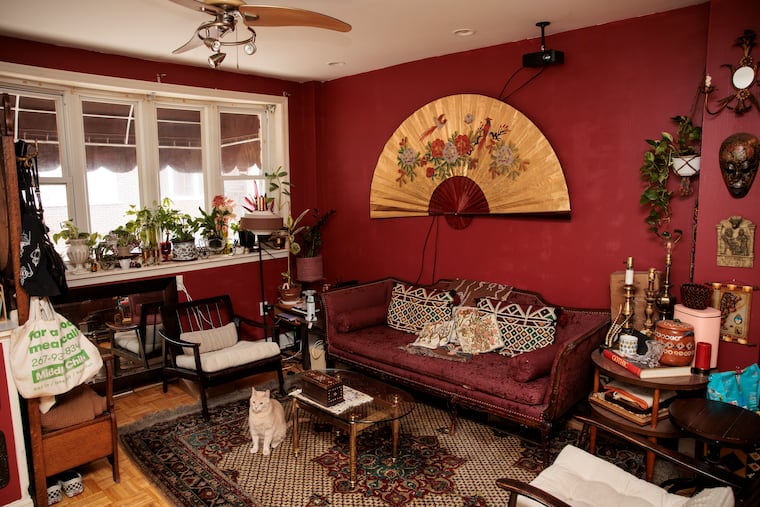
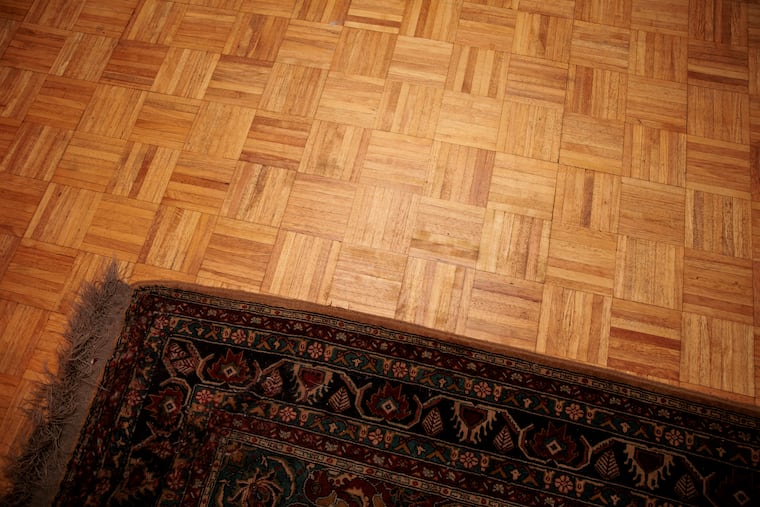
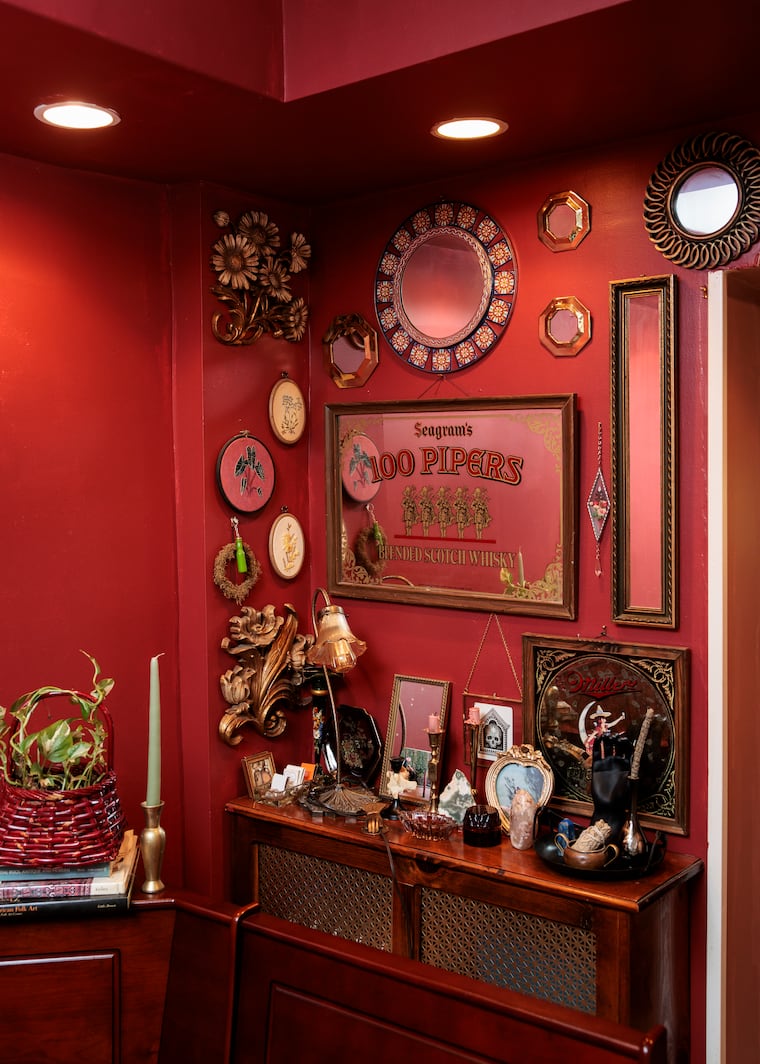
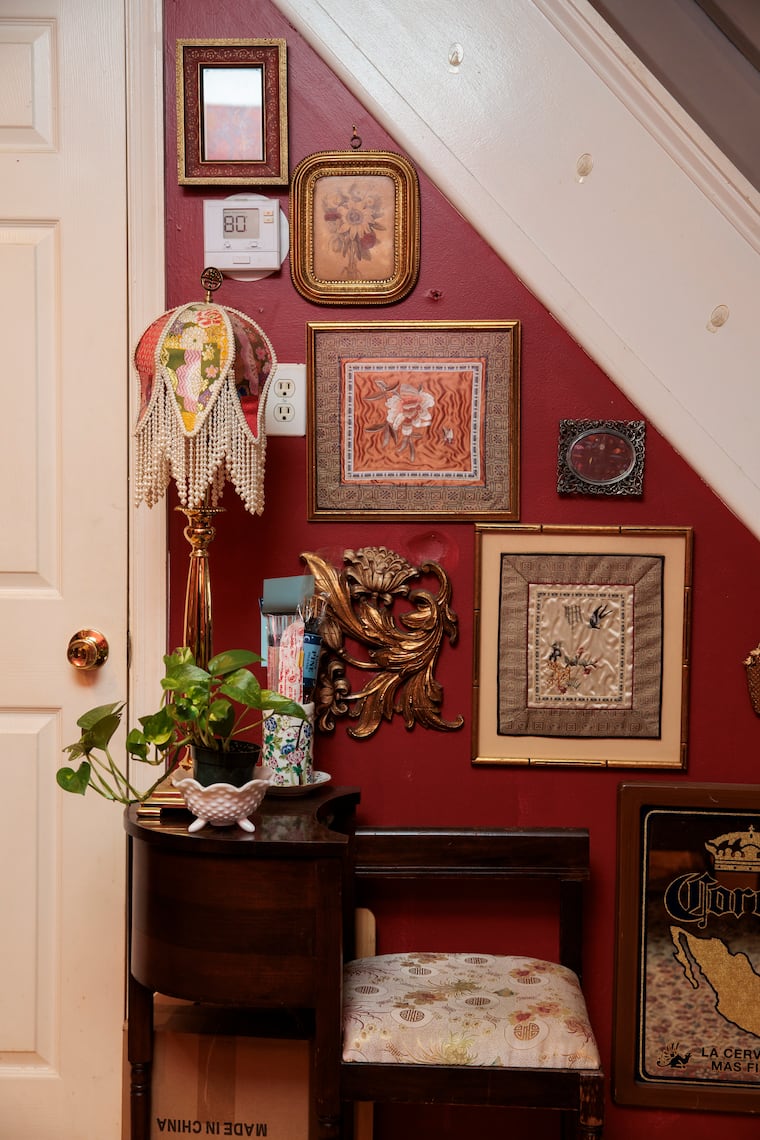
“It was a total dump, so every person who looked at it hated it,” Maropis said. Yet right away she loved the wooden radiator covers, which looked like Victorian mantelpieces with brass grates, and the bamboo parquet floor in the living room. She could already picture a place for her mahogany and silk couch.
She had grown up fixing houses, and she thought she could manage about 99% of the problems herself.
“It had great bones and just needed somebody to love it a little bit,” she said. “The first time I toured it, I had a little tingle of the feeling that maybe I could actually live here.”
The deal: From the outset, Maropis knew she was in a good position to negotiate because the owners wanted to sell quickly. Her agent was in the same brokerage as the seller’s agent, so they were both incentivized to make it work.
She also had leverage because of the state of the house. The inspection revealed lead pipes in the basement, a furnace that was leaking carbon monoxide, and a foundation partly chewed through by termites.
The house had a reverse mortgage so the sellers did not want to budge on the purchase price. But Maropis negotiated a $15,000 seller’s assist, which went partly toward her closing costs and partly toward her down payment. She visited twice more before deciding to buy.
The money: Maropis’ decision to buy was clinched when she learned she could withdraw money from her 401(k) to put toward her down payment. For three years she had been working for the consulting company GLG, contributing 7% of her salary to her 401(k), with an equivalent company match.
“I always considered my 401(k) Monopoly money because I don’t really think my generation will ever be able to retire,” she said. She ultimately withdrew $11,000 from her retirement account to buy the house.
She then used her end-of-year bonus to put down an additional $5,000, bringing her down payment to 6%. She secured a Federal Housing Administration (FHA) loan for the rest, with an interest rate of 6.2%. Because of the seller’s assist, she paid only $2,100 in closing costs.
She wanted to keep her monthly costs under $2,000, but ended up paying $2,200 per month until she refinanced in winter 2024, bringing her monthly payments down to $1,800.
The move: Maropis closed on the house at the end of March 2023, two days after her 26th birthday.
She moved in two weeks later, with the help of Broad Street Movers and her dad, who had flown in from Texas.
Life after close: Maropis’ life as a homeowner began with hours of scrubbing. She hired a contractor to tear out the carpets and replace them with luxury vinyl plank, but he did a shoddy job, and the vinyl is already peeling.
Three months after moving in, she was laid off, which scuttled some of her financial plans. She had aimed to pay back her 401(k) from her salary that same year but instead owed a small tax penalty.
Still, she’s thrilled with her home and the community it brought her. Her now-husband moved in with her in 2024, and they share two cats, Daddy and Little Cat. Grumpy’s Tavern is nearby, and she says the dive bar regulars are like her neighbors.
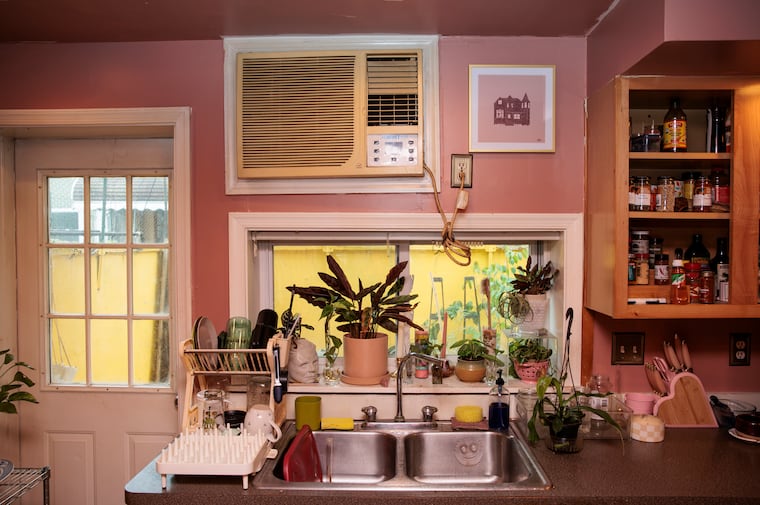
Her next big project will be renovating the kitchen, replacing the counters, tiles, and appliances.
“The progress of this house,” she said, “is one of the things I absolutely love the most.”
Did you recently buy a home in the Philadelphia area or South Jersey? Share the story of how you did it. Email Inquirer real estate reporters at properties@inquirer.com.

How I Bought This House
