
He cut his rent by $2,000 a month. Then he bought a $165,000 house in Southwest Philly. | How I Bought This House
Dylan Foglesong left a $2,600-a-month Manayunk apartment for a room in a house with friends. Within months, he had saved enough to buy his own place.
he buyer: Dylan Foglesong, 28, program manager
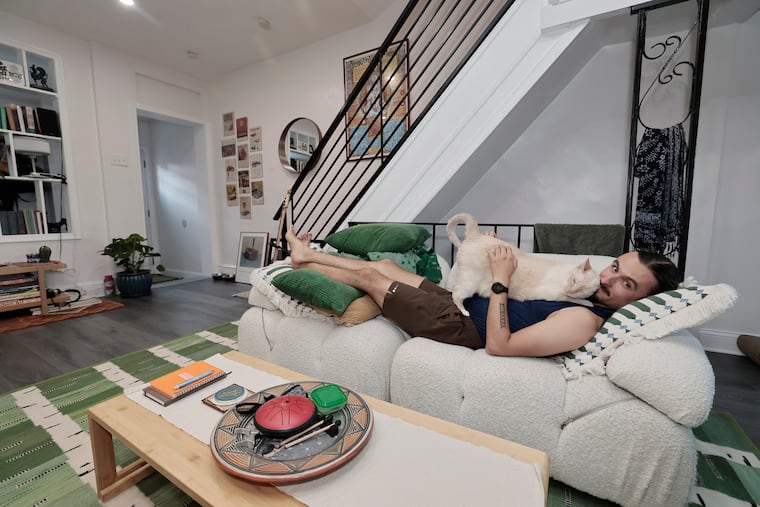
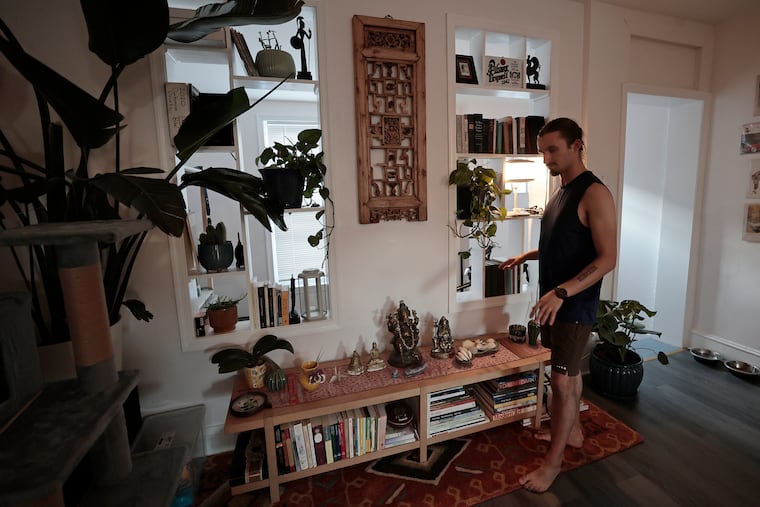
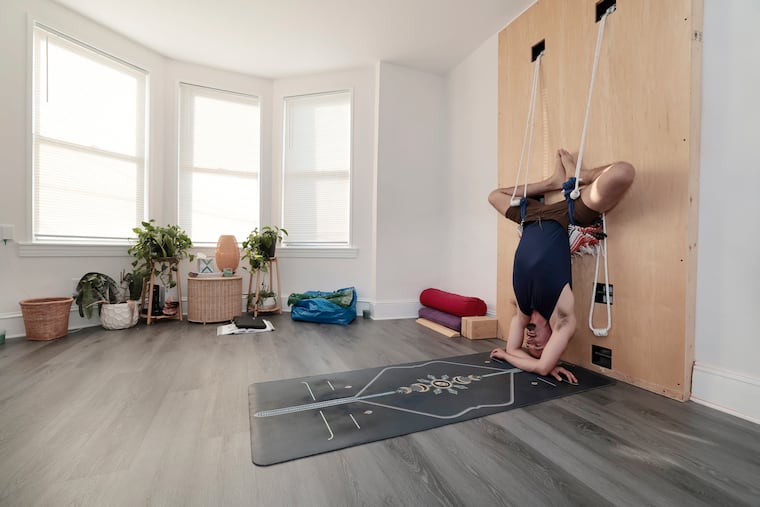
The house: A 1,150-square-foot townhouse in Southwest Philly with two bedrooms and two bathrooms built in 1925.
The price: Listed for $180,000; purchased for $165,000.
The agent: Christy Bergen, Coldwell Banker
The ask: Dylan Foglesong felt like he was overpaying for his apartment. He was spending $2,600 a month, plus utilities, for a two-bedroom place in Manayunk, and the money was going toward a place he would never own.
After six months, he paid the fee to break his lease and moved into a house with friends. His rent dropped to $600 a month, and because he was subletting month-to-month, he could leave whenever he wanted. He was saving more than $2,000 a month, and he realized he could put that money toward buying a house.
Foglesong had a simple wish list. As an avid cyclist, he wanted to be near multiple bike paths. He also wanted outdoor space, two usable bedrooms, and a low price. He did not care about central air or polished finishes. “I just wanted a cheap place that worked,” he said.
The search: Foglesong started searching in January, focusing on a small section of Southwest Philadelphia near Bartram’s Garden and the trail network along the Schuylkill. He wanted to remain close to Center City so he could bike to work.
He saw five houses. The first one was in his ideal location, but the floors were scratched and coming up, the kitchen looked decades out of date, and the upstairs had the cramped three-bedroom layout he wanted to avoid. It would have taken too much work to reach a point where he was not “barfing every morning at how much of an eyesore it was,” he said.
The only other serious contender had a large backyard, a clean basement, and an updated kitchen. But a quarter of the ceiling in one upstairs room appeared to be collapsing because of a leak. The house was listed for about $212,000. Foglesong offered $190,000, figuring he could use the difference to repair the roof, but the seller rejected the offer.
The appeal: The fifth and final house had a great layout. Both rooms upstairs were large. It also recently had “a really thoughtful renovation,” Foglesong said. The updates included a new HVAC system and appliances, while the house also had a finished basement with high ceilings, outdoor space, and an enclosed front porch where he could store his bikes.
Foglesong also liked the location on a quiet side street with little through traffic. “It’s on the kind of street that you wouldn’t drive down unless you lived there or you knew someone who lived there,” Foglesong said. Most of the houses on the block were occupied, which made the neighborhood feel established.
The deal: The house had initially been listed for a little more than $181,000 before the seller lowered the price to $180,000. It had been on the market for roughly five months by the time Foglesong saw it.
He offered $170,000 and asked the seller to contribute 3% toward closing costs. They declined the closing assistance but countered at $165,000. The lower price ended up saving Foglesong the same amount of money, so he accepted.
The inspection was clean, save for one issue with the electrical. When Foglesong called Peco to arrange service, he learned that the house was not legally connected, even though the power was on. An electrical inspection found that the breaker box needed work, and the seller hired an electrician to set it up properly. But Foglesong still could not transfer the service into his name until the seller paid thousands of dollars in outstanding utility balances. The whole thing “seemed a little sus,” Foglesong said, but it worked out.
The money: Foglesong put 3% down, or $4,950. Including his closing costs, he paid about $11,600 out of pocket to buy the $165,000 house. His mortgage rate is 6.25%. Today, his monthly payment, including property taxes, is $1,300.
He already had some savings when he moved in with roommates, but the drop in rent allowed him to build the rest quickly. He estimates that he was saving nearly $3,000 a month. Within 3½ months, he had accumulated enough to cover the down payment and closing costs. “You take that little compromise for a couple of months,” Foglesong said about moving in with friends, “and all of a sudden you have $11,000 in your bank account.”
The move: Foglesong closed in April and moved his belongings from the shared house into a 10-foot U-Haul. Everything fit in one load, and he completed the move over two days without hiring movers or asking friends to help.
He managed it alone because he did not own much heavy furniture. His couch comes apart into sections, and he sleeps on a futon that he could fold and carry over his shoulders. For everything else, he improvised. “You put a blanket on the stairs, slide the furniture down,” Foglesong said. “You figure it out.”
Life after close: At first, buying the house felt less momentous than Foglesong expected. He had imagined “a really grand, movie-montage sequence,” he said, but moving in felt much like any of the other moves he had made during his 10 years in Philadelphia.
But as the weeks passed, the difference between his new home and the others became clearer. He was no longer paying rent for a place that belonged to someone else. He owned the house, and the monthly payment was within his budget. “It’s very grounding to wake up in a place that you can afford,” Fogelson said.
The experience also reinforced his belief that young buyers may need to reconsider what they expect from their first home. “You have to be realistic about what you can access right now,” Foglesong said. “Your first house doesn’t have to be your dream home.”
Did you recently buy a home in the Philadelphia area or South Jersey? Share the story of how you did it. Email Inquirer real estate reporters at properties@inquirer.com.