Joel Embiid vows not to ‘cry about’ his latest postseason injury setback: ‘Some things you can’t control’
Embiid totaled a team-high 26 points, 10 rebounds, and six assists in his return 17 days after an appendectomy. But after a blowout loss in Game 4, the Sixers are on the verge of dropping the series.
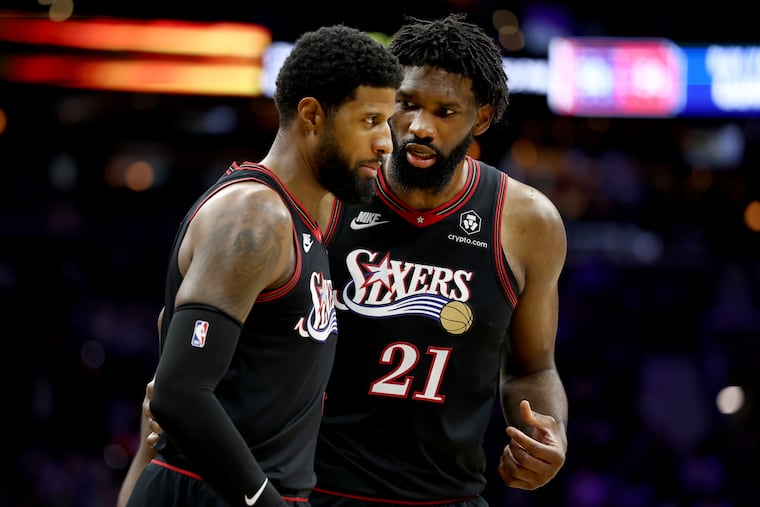
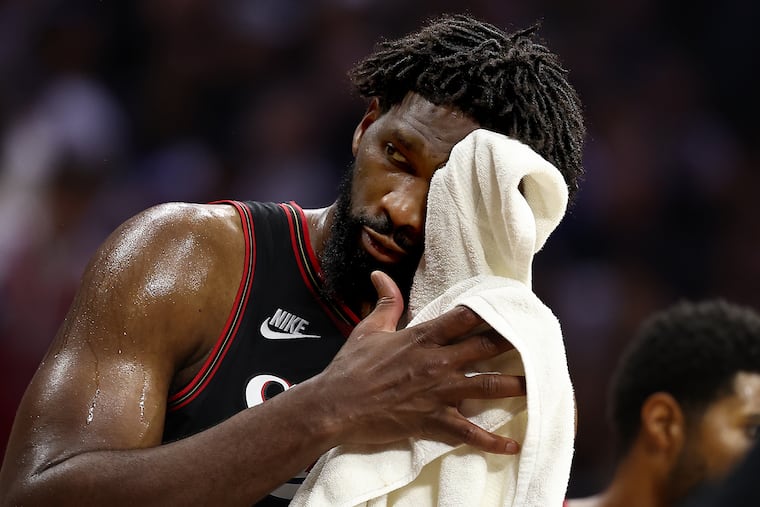
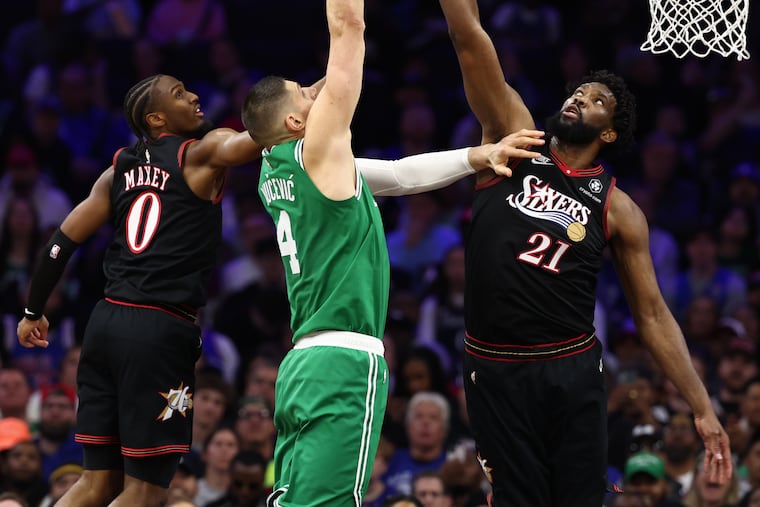
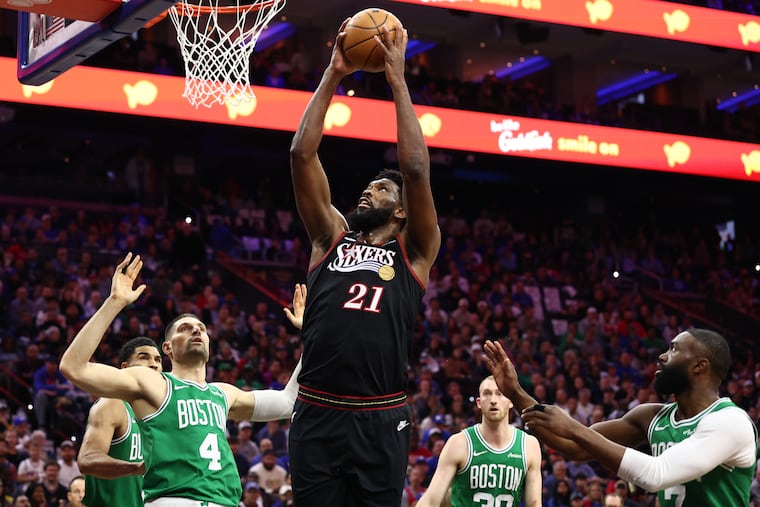
Joel Embiid raised his arms into the air to encourage the crowd to make noise as the 76ers went into their first timeout, after bumping Nikola Vučević and finishing inside.
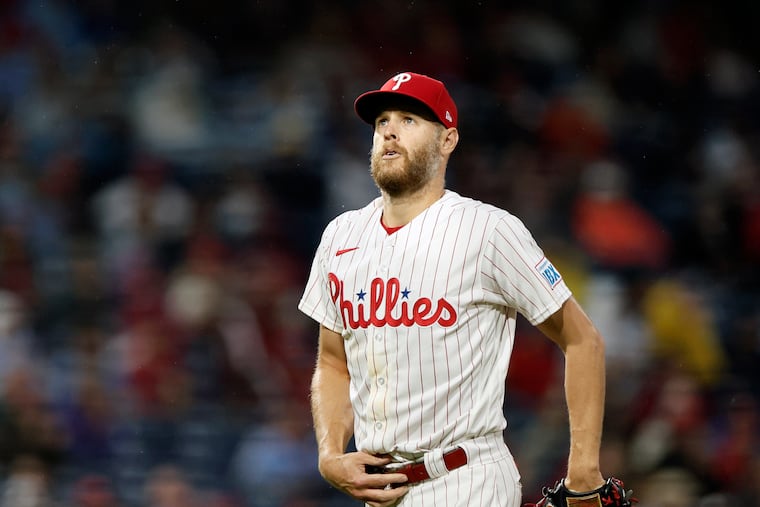
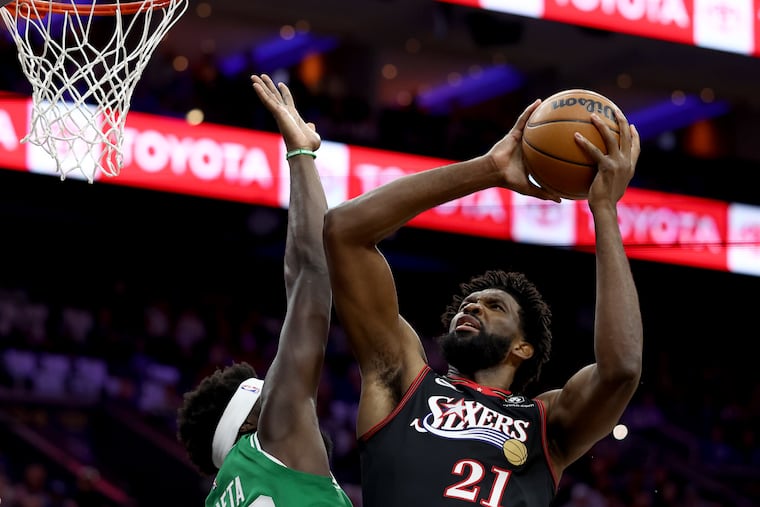
Embiid had scored the Sixers’ first eight points Sunday, the beginnings of what looked like a triumphant return to the playoff stage just 17 days after an appendectomy. The former MVP finished with a productive stat line in Game 4 against the Boston Celtics, with a team-high 26 points, 10 rebounds, and six assists.
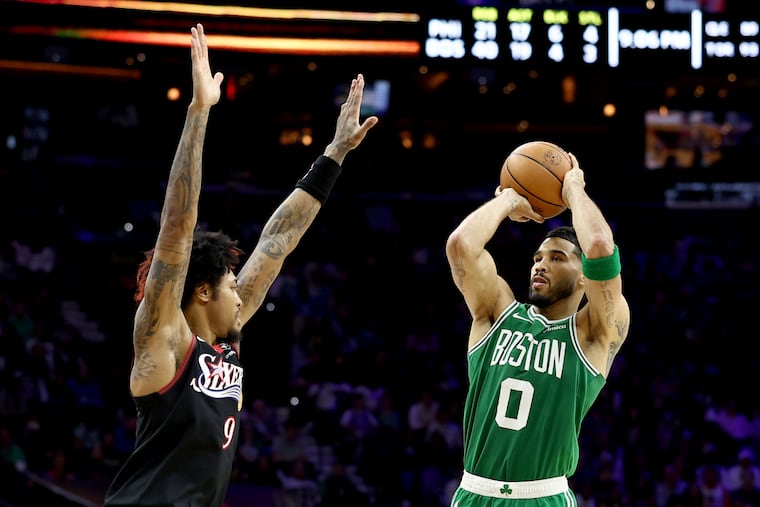
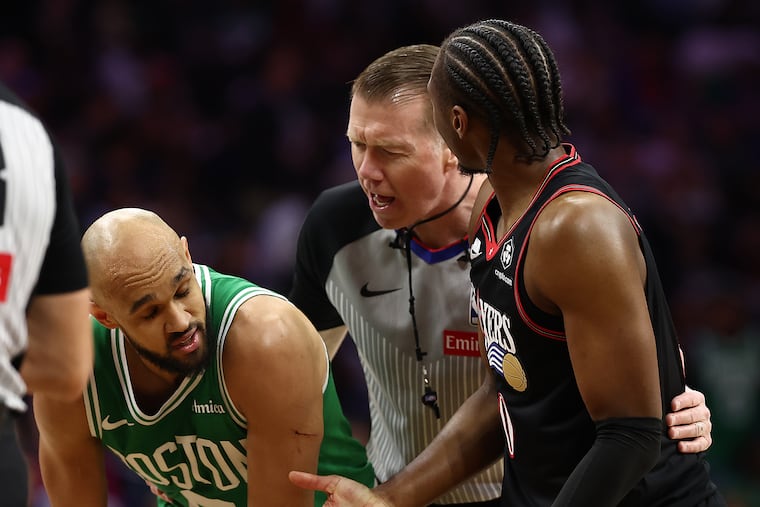
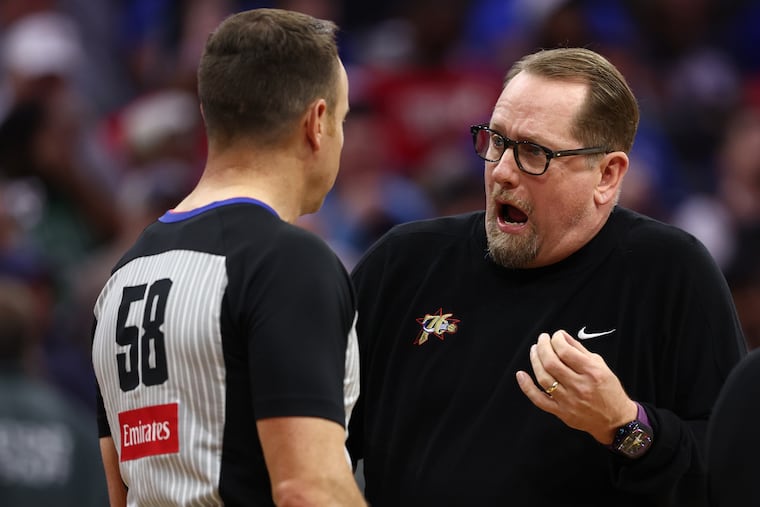
But Embiid went through a shooting drought as the Sixers lost control in another blowout, this time a 128-96 defeat at Xfinity Mobile Arena to give Boston a three-games-to-one lead in their first-round series. Embiid also could not save a defense that coach Nick Nurse collectively described as “very bad.” And whether the Sixers’ season ends Tuesday or extends beyond Game 5 in Boston, Embiid is left grappling with another playoff appearance affected by unfortunate health luck.
“When you’ve been through it so much,” Embiid said in the postgame locker room in his first public comments since the procedure, “you kind of have the balance of, ‘OK, this is another thing. Got to move on.’ But it hurts, and then it feels like it’s every single time. Yeah, it [stinks], but you probably go through a couple days where you feel bad for yourself and it’s right back to it.
“Are you going to give up? Or are you going to try to come back as early as possible? It [stinks], but you can’t give up. You’ve got to keep pushing and not feel bad for yourself and just take it on and try to do the best job possible.”
Embiid described the last two-plus weeks since his surgery as “tough,” including post-operation “complications” on which he declined to provide additional details.
» READ MORE: After Game 4 stinker, Joel Embiid needs to take a backseat to Tyrese Maxey and VJ Edgecombe
He said he began feeling stomach pain during the Sixers’ April 6 loss at the San Antonio Spurs, but initially believed he had some sort of virus after eating “something bad.” Though he still did not feel well when the Sixers held practice in Houston two days later, after a motivating team meeting, Embiid said he “kind of wanted to send a message, and go out there and practice really hard.”
Once he returned to the team hotel later that day, the pain “just kept getting worse and worse and worse,” he said. By the middle of the night, he could not sleep, use the bathroom or, eventually, walk.
“I was like, ‘Yeah, I need help,’” Embiid said. “ … That’s why I had to tell [the medical staff]. I’m like, ‘Something’s very wrong here.’”

Celtics lead 3-1
Game 1: Celtics 123, Sixers 91 | Murphy: Early offseason?
Game 2: Sixers 111, Celtics 97 | Murphy: Edgecombe steps up
Game 3: Celtics 108, Sixers 100 | Murphy: Reality of this series
Game 4: Celtics 128, Sixers 96 | Murphy: Maxey should be focus
Game 5: Sixers at Celtics, 7 p.m. Tuesday, ESPN
*Game 6: Celtics at Sixers, TBD Thursday
*Game 7: Sixers at Celtics, TBD Saturday
* If necessary
A hospital visit diagnosed appendicitis, with surgery scheduled for later that day. He was discharged and returned to Philly the next day, and rejoined his team to watch the Sixers’ Play-In Tournament win over the Orlando Magic on April 15.
Embiid resumed strength and conditioning and individual on-court workouts last week, including participating in parts of Thursday’s practice before Game 3. Embiid said he “went up and down” the court in a scrimmage one time, and also went through an individual workout Saturday afternoon.
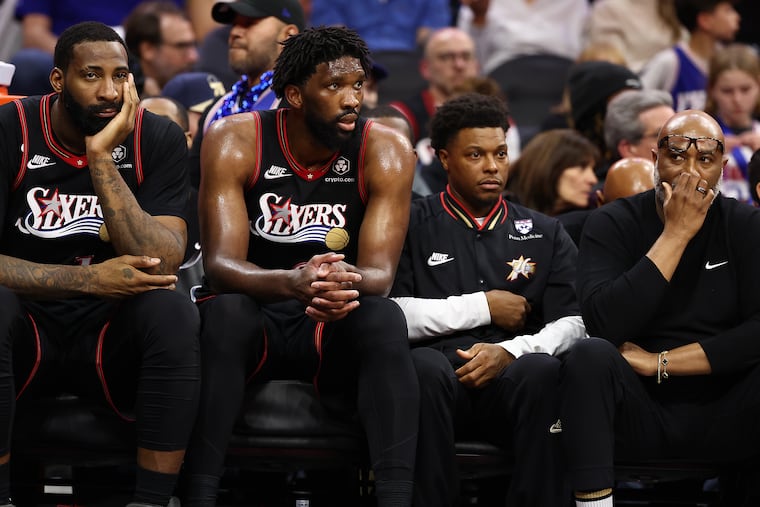
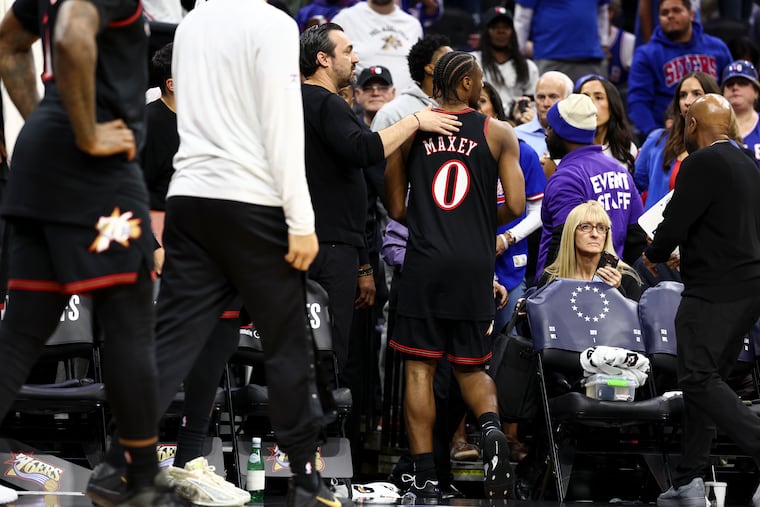
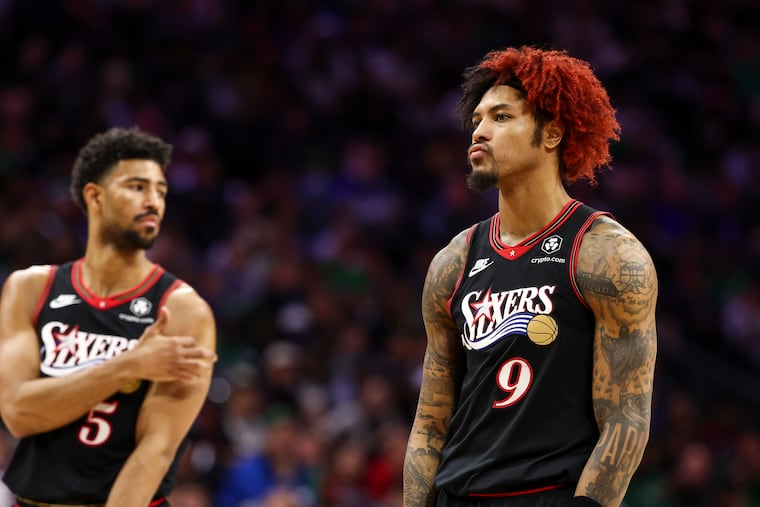
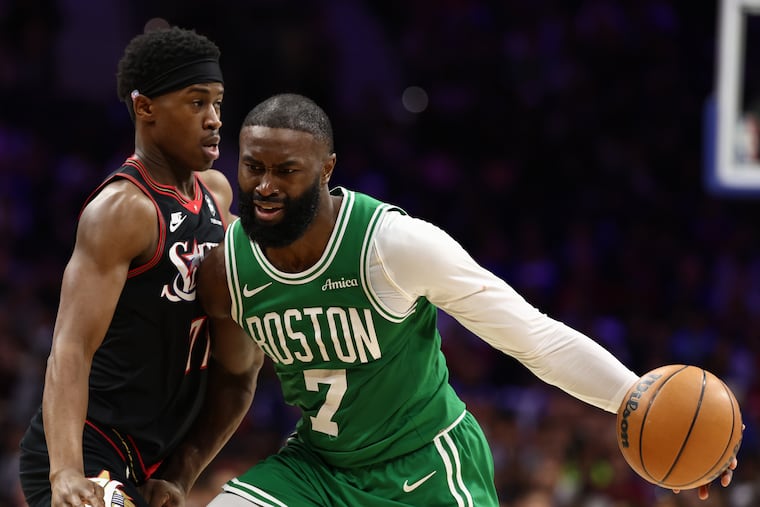
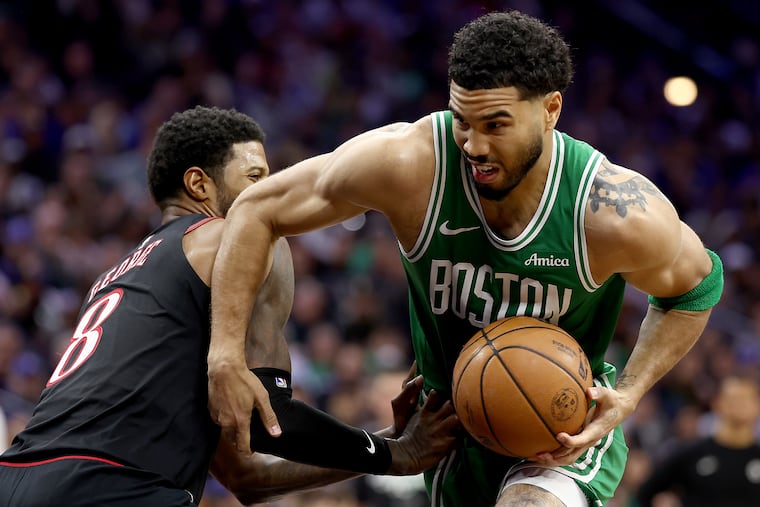
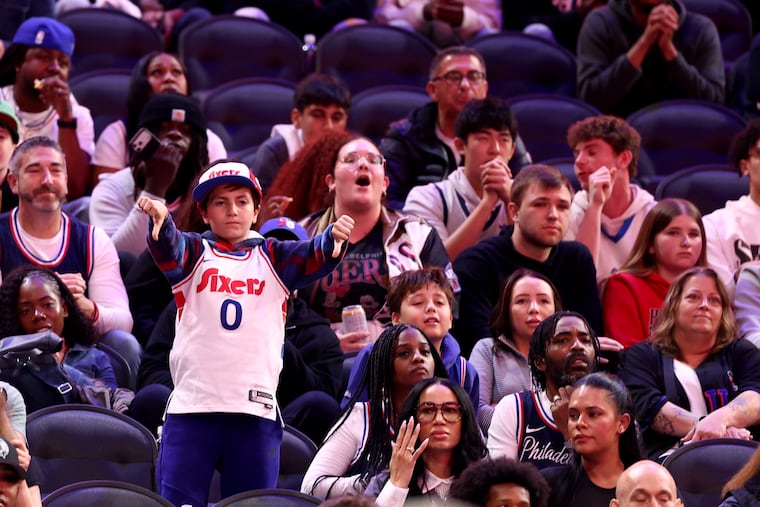
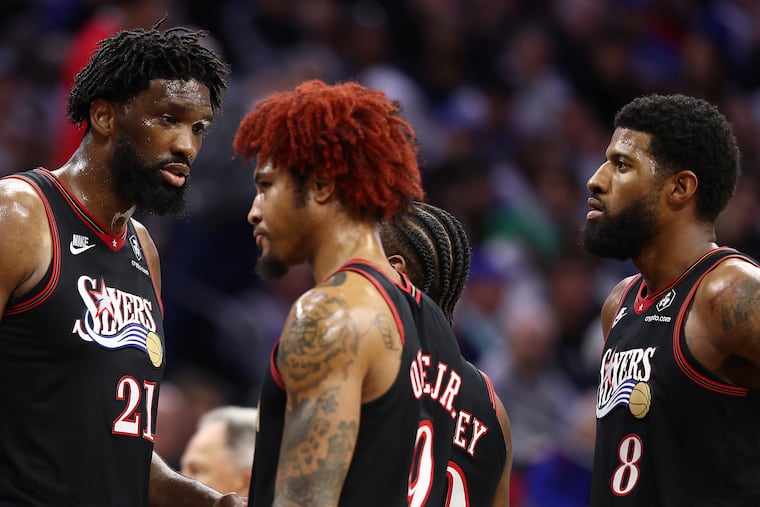
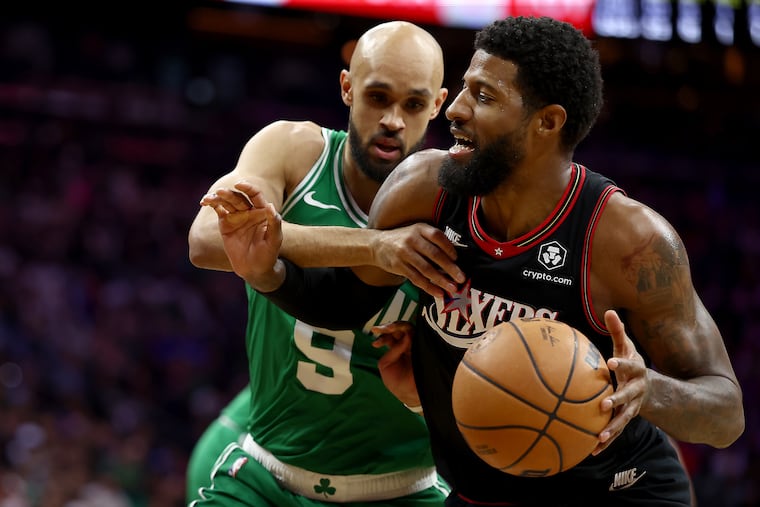
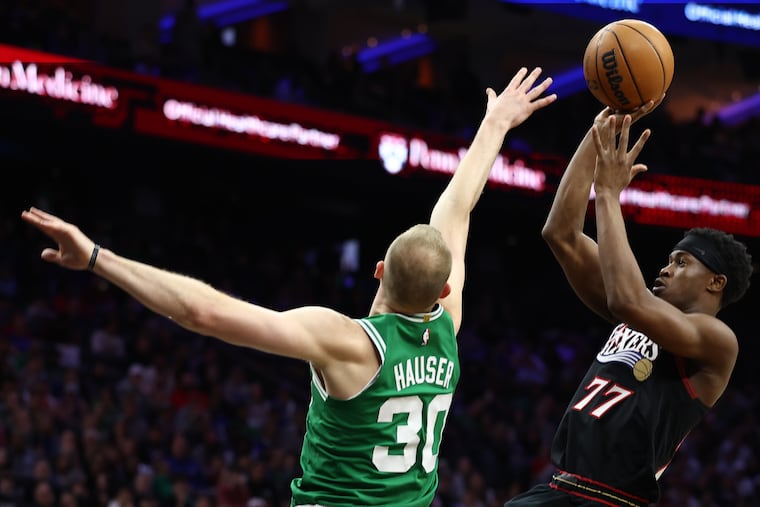
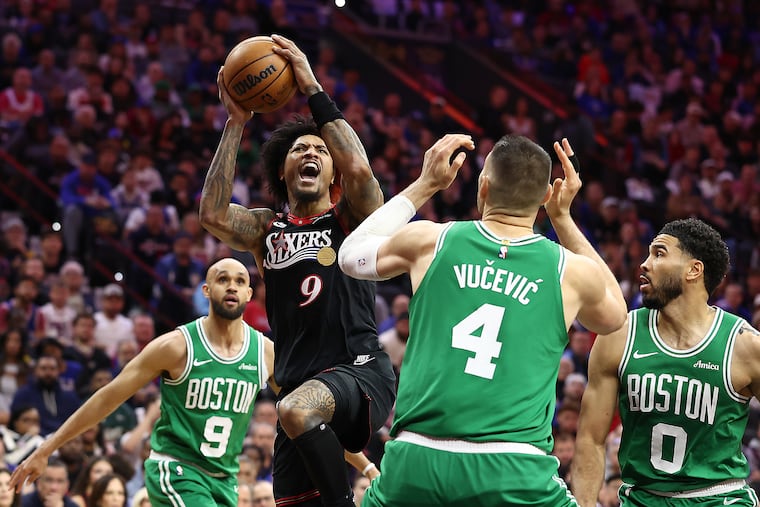
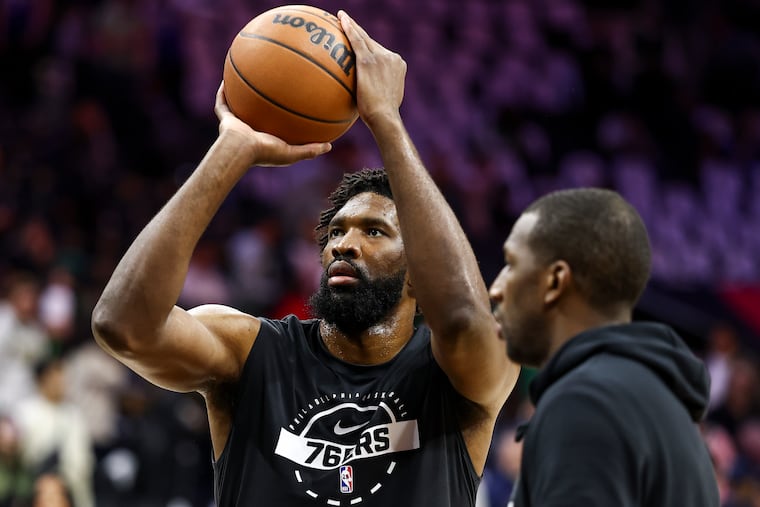
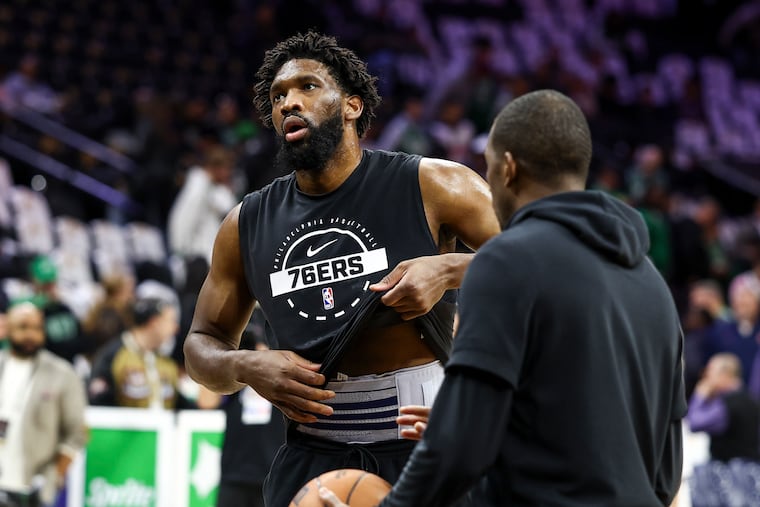
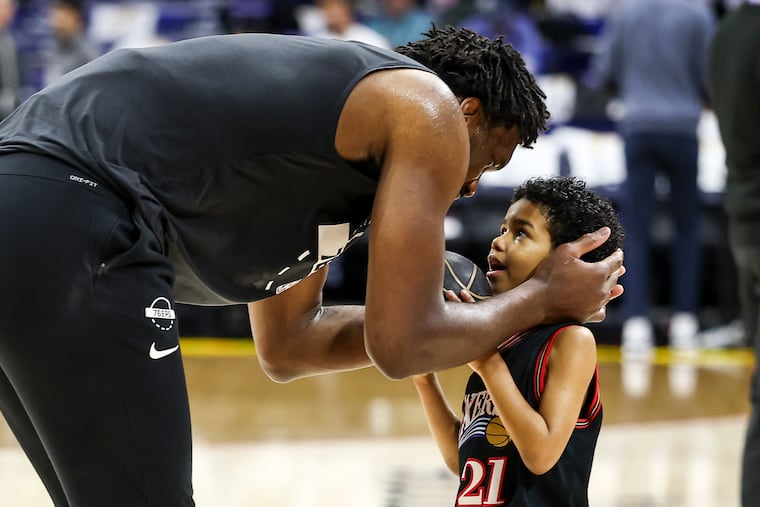
As Sunday evening progressed, his status rapidly went from doubtful to play in Game 4 to questionable to available. He wore a wrap around his midsection during his pregame shooting routine, and received thunderous cheers as he exited the court and when introduced in the starting lineup.
Embiid’s initial burst included drawing a foul on the Sixers’ first possession, elevating to challenge a Neemias Queta shot off a drive, hitting the floor when fouled again, and running the floor to take a fastbreak feed from Kelly Oubre Jr. for a two-handed slam.
Yet after making three of his first five shots in the opening quarter, Embiid missed his next seven attempts. By the time he recaptured rhythm in the second half, the score was lopsided. And when asked if he was surprised he played 34 minutes, Embiid acknowledged, “Yeah … um, yeah.”
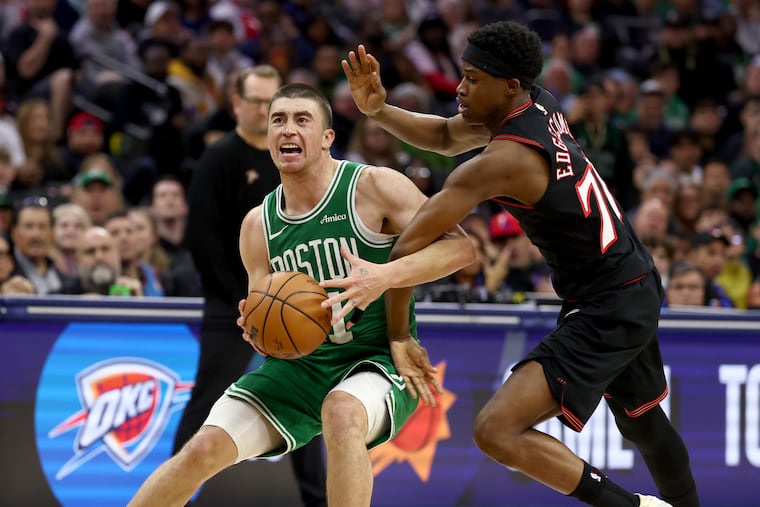
» READ MORE: Joel Embiid’s big return, Payton Pritchard’s big first half and more of what we learned from the Sixers’ Game 4 loss
Though the Sixers were thrilled to welcome back “damn near the best player in the league,” according to rookie VJ Edgecombe, reintegrating Embiid is an adjustment. The former NBA Most Valuable Player averaged 26.9 points on 48.9% shooting in 38 regular-season games, and creates “gravity” by drawing defenders with his ball-commanding presence.
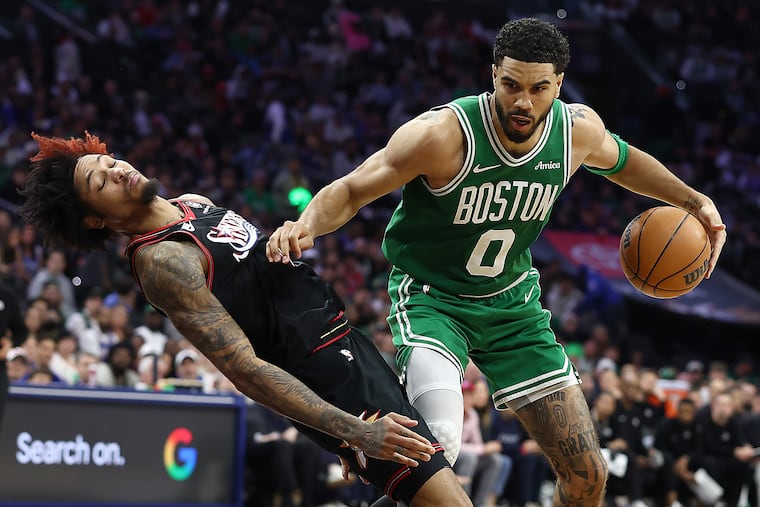
All-Star guard Tyrese Maxey only took three first-half shots, which he called “unacceptable.” Edgecombe, who went 2-of-9 from the floor, also needs “cracks at it, for sure,” coach Nick Nurse said. The Sixers shot 9-for-30 from three-point range, a losing formula against a Celtics team that went 24-of-53 from deep.
Edgecombe emphasized that poor defense and rebounding — two areas in which Embiid is no longer as imposing because he limits his jumping — prevented the Sixers from using their speed in transition, leading to playing more through Embiid in halfcourt offense.
“If we got stops, we [were] going to be able to run,” said Edgecombe, who finished with six points and four rebounds. “Everyone would have been aggressive, and we would have been flowing from there.”
The Sixers must figure that out in Game 5 on Tuesday, or their season is over. And while this will go down as another Embiid postseason disrupted by a health issue, he again made it back to the court.
“You feel pretty good going into the playoffs,’ Embiid said, “and all of a sudden, this thing happens. Some things you can’t control. What am I going to do? Cry about it? No. Just take it on and move on, and try to do the best job possible to give yourself the best chance to come back and play.”