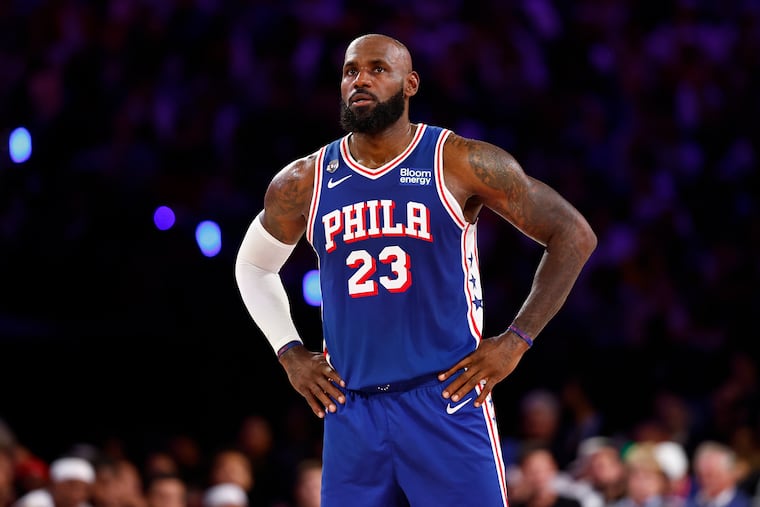
NBA officials ripped NBC Sports Philadelphia’s Alaa Abdelnaby over Sixers broadcast
Abdelnaby thought the refs blew a major call, but ESPN analyst and retired ref Steve Javie thinks officials got it right.

Controversy from the Sixers’ loss Sunday night lingered into Tuesday thanks to a salty message from NBA officials calling out NBC Sports Philadelphia’s Alaa Abdelnaby.
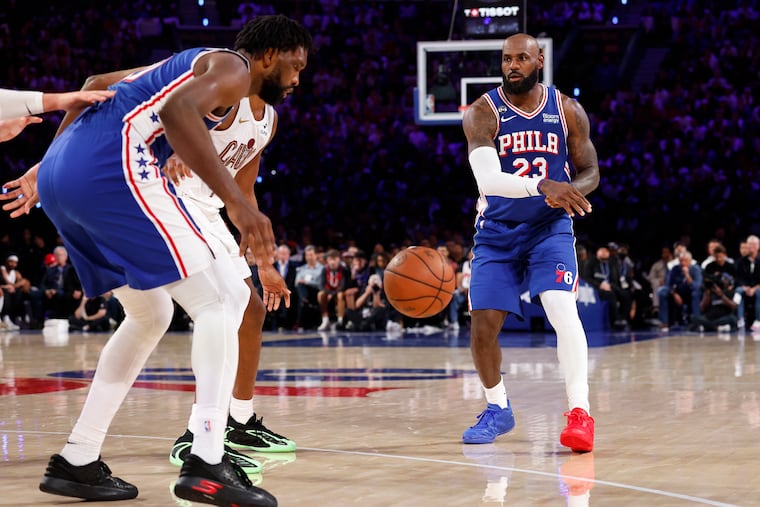
With less than two seconds left and the Atlanta Hawks clinging to a one-point lead, Nickeil Alexander-Walker inbounded a pass in the frontcourt and dribbled it into the backcourt before being fouled by 76ers rookie VJ Edgecombe.
Clearly a backcourt violation and Sixers ball with a chance to win the game, right? Abdelnaby certainly thought so.
“His foot’s in the frontcourt! The ball’s in the frontcourt!” Abdelnaby said during NBC Sports Philadelphia’s telecast.
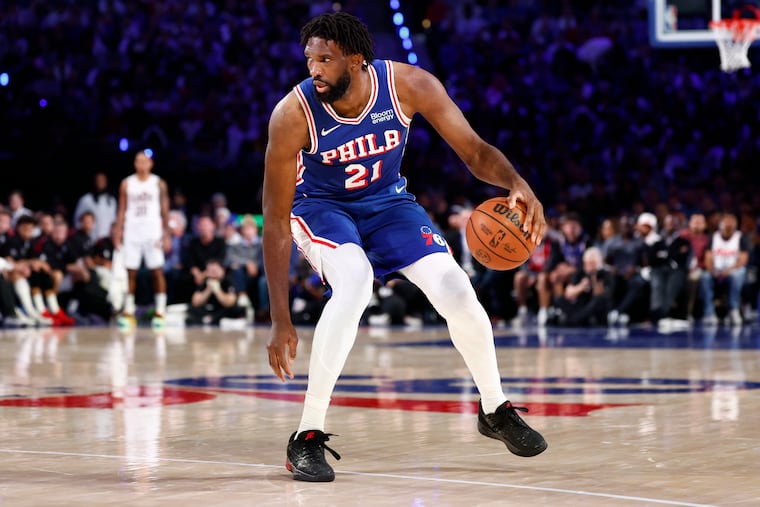
The officials didn’t see it that way, despite protests from Joel Embiid and Sixers coach Nick Nurse. Their explanation for the no-call after the game was that Alexander-Walker’s “momentum” carried him into the backcourt, which “is legal in the last two minutes of the fourth quarter and overtime.”
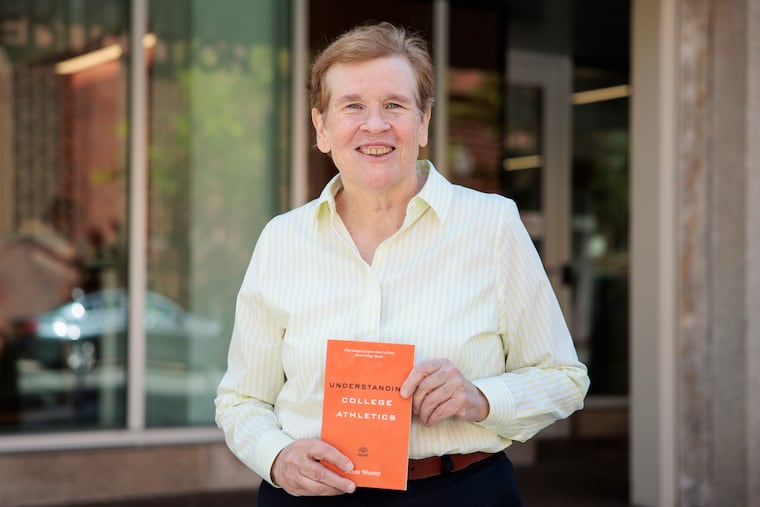
Former NBA referee turned ESPN analyst Steve Javie, a Philly native and Temple grad, heard complaints about the no-call from a Sixers fan during a Christmas party Monday night. But after watching the video, Javie thinks the refs made the correct call that Alexander-Walker didn’t establish himself in the frontcourt.
“That’s an easy one. I don’t even think it’s that controversial,” Javie told The Inquirer. “That’s not the one you want to go up the mountain on.”
So instead of it being Sixers ball trailing by just one point, Alexander-Walker made both of his foul shots and increased the Hawks’ lead to three. Quentin Grimes got up a decent shot that would have tied the score as time expired, but it bounced in and out, and the Hawks walked away with the win.
That’s when things got interesting.
On Monday, the National Basketball Referees Association criticized Abdelnaby on social media and defended the officials’ no-call during Sunday’s game.
“For those calling the game, there is a responsibility to know the NBA rules and explain them correctly in order to properly educate the fans,” the association wrote, tagging Abdelnaby’s X account.
The referees’ official X account, with more than 136,000 followers, hasn’t been historically combative and had not called out a single announcer by name this season before going after Abdelnaby.
Why now? That remains unclear. The National Basketball Referees Association did not respond to a request for comment.
“As a ref, you hear so much stuff [from announcers] year after year, game after game, you get kind of frustrated. Like, ‘Dude, this is not the right rule you’re talking about,’” Javie said, especially from hometown announcers openly rooting for their teams. “This is why they’re frustrated and gave him a shot, probably.”
Abdelnaby, a former Duke standout and NBA player in his 10th season calling Sixers games, isn’t afraid to offer strong opinions about the officials during broadcasts. He did so multiple times Sunday night, including after the game from the concourse of State Farm Arena in Atlanta, where he and play-by-play announcer Kate Scott called the game.
“Sometimes you’re told as a player on the road, you have to beat eight instead of just five,” Abdelnaby said, referring to the three officials on the court. “I thought the Sixers got a little shortchanged tonight.”
Abdelnaby declined to comment about the NBA referees’ social media post, but he wasn’t alone in thinking the officials missed a backcourt violation.
“It was a complete blunder by the referees tonight,” NBA Sports Philadelphia studio analyst and former NBA player Marc Jackson said following the game.
What do the NBA rules say?
When in doubt, go to the rule book, where there appear to be two sections invoked Sunday night.
First, the NBA rule book clearly states that the ball “shall be awarded to the opposing team” if a ball in the frontcourt or at the midcourt line passes into the backcourt.
But there is one exception:
And here’s what the rule book says about determining the frontcourt or backcourt status of a player on a throw-in:
The rule basically says a player’s position isn’t determined until he has established a “positive position” on an inbounds pass, as long as it’s under two minutes in the fourth period or in overtime.
So what does “positive position” mean? According to Javie, it basically equates to possession and stopping with the basketball.
“If [Alexander-Walker’s] momentum had stopped from going to the backcourt, and then he took a step into the backcourt, that would then be deemed a backcourt violation,” Javie said. “He didn’t establish position anywhere, really.”
“I thought it was going to be less obvious than that,” Javie added, based on the complaints over the no call.
Fans will certainly have a lot of time to debate the rules, since the Sixers won’t take the court again until Friday night against the New York Knicks at Madison Square Garden on Amazon’s Prime Video.