MLS's new winter schedule will be unbalanced based on the weather
A top league executive told The Inquirer that teams in cold climates will play more of their home games in the spring and summer, and teams in warm climates will have more home games in the winter.
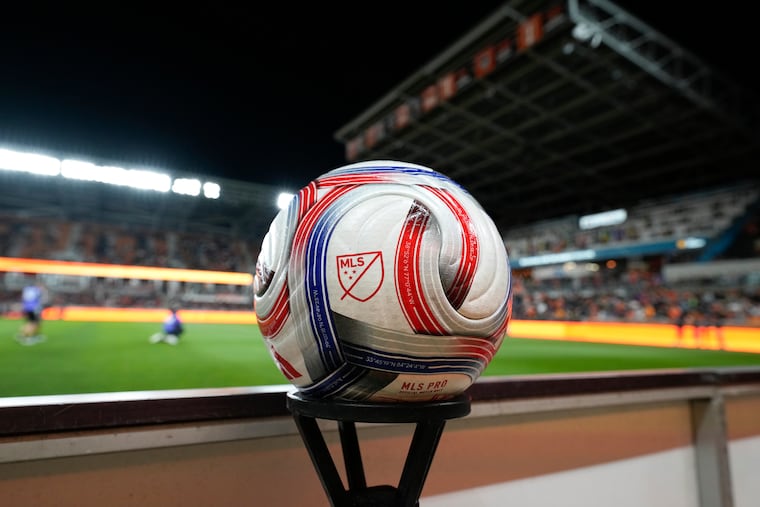
MARIETTA, Ga. — As MLS gets ready to change its calendar to a winter-centric one next year, there’s been talk behind the scenes and among fans about how that will actually work.
A particular focus has been how colder-weather cities will handle games in December and February. While the flip frees the league of southern heat in June and July, winter in Minnesota and Montreal is a different kind of unpleasant.
Would the league stack what will now be mid-season winter games in warmer climates, and early-season summer games in cooler ones? It’s been an idea for a while, and now it’s becoming more than that.
On Friday, MLS executive vice president of sporting product and competition Nelson Rodriguez told The Inquirer that it is in fact the intent.
“It’s absolutely an intent, and we will look to build our schedule that way,” he said.
The league, he continues, believes it has “a situation where between domed stadiums and warmer-climate facilities, we can play a disproportionate number of games in those markets,” in the winter, “and limit the home matches for those in the northern climates, and then reverse that process when we get into extreme heat months such as July and August.”
MLS officials haven’t stuck their necks out too far in citing climate change as a reason for the calendar flip, preferring to trumpet more soccer-centric themes. But they haven’t shied away from it either, knowing well how many thunderstorm delays there are — and that playing in severe heat is a health risk for players.
» READ MORE: MLS will move to a winter-centric schedule in 2027
“We’re all, as citizens of the planet, dealing with that, and our league is no different,” MLS commissioner Don Garber said last summer. “It’s getting hotter, and that’s clearly an issue in playing through the depth and the core of the warmest months in many of our markets.”
Though the league announced the calendar change in November, it did so without agreement from the MLS Players Association. Many players favor the change, but the labor union has a formal say, and the current collective bargaining agreement will expire in January 2028 — the middle of the first winter-to-spring season.
The MLSPA said in a statement to The Inquirer that it and the league “have not yet reached an agreement on the calendar shift in general,” and the union’s “focus remains on ensuring all key issues are adequately addressed in order to finalize that agreement.”
Rodriguez said that the league could claim that a formal deal isn’t necessary, but it “would prefer to have an agreed-upon new collective bargaining agreement” with the union.
» READ MORE: Major League Soccer lays out a key piece of how its calendar flip next year will work
“We are having productive dialogue with the MLSPA on that, and we’re optimistic that we’ll reach a resolution that’s fair to everybody there,” Rodriguez said.
He added that he has not personally been at the bargaining table, so he would not claim to know what the union has told the league. But he described the talks as “continuous, and if you’re having dialogue, that’s a good sign.”

Nine nations will compete in five group stage matches this summer, plus two more in a knockout game on July 4. Here’s what you need to know about those countries — and what those fans need to know about Philly. Click here for more.