FIFA announces April 1 as the date for its final World Cup ticket sales phase
In addition to this last chance to scoop up tickets at face value, fans who secured seats in earlier phases will be able to see where their purchased seats were allocated within their category.
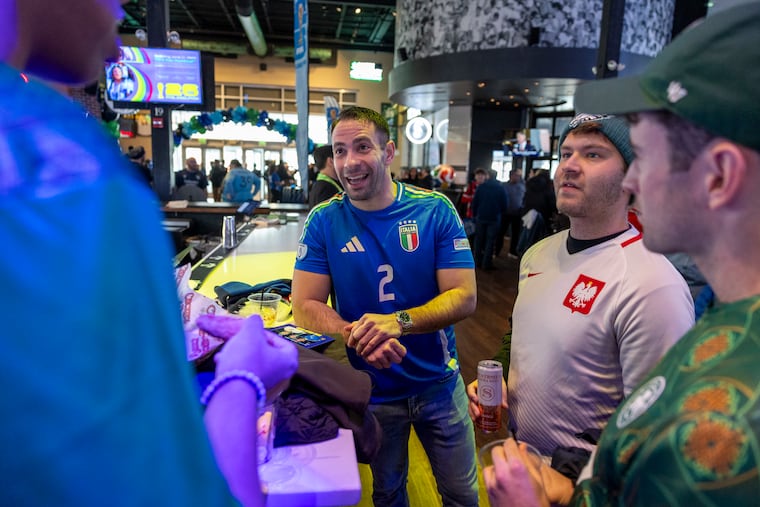
Soccer fans looking to buy tickets for this summer’s FIFA World Cup at face value will have a final opportunity on April 1.
In what FIFA is calling its Last-Minute Sales Phase, soccer’s governing body will sell remaining tickets via FIFA.com/tickets on a first-come, first-served basis, starting at 11 a.m. Philadelphia time. This will mark the final round of a four-part sales phase that began last September.
Tickets will be subject to availability, but according to FIFA, once prospective buyers bypass the queue, they will be able to see the remaining matches still up for grabs. There are two ways to secure tickets: either by viewing the seat map to see the remaining options or by selecting the “Book the best seat” option in the selected venue.
FIFA also announced that on April 1, fans who secured seats in earlier phases will be able to see where their purchased seats were allocated within their category. In earlier sale phases, fans were only able to purchase tickets across the Category 1 (lower level, prime seating), Category 2 (mid-upper level), and Category 3 (upper level) options.
» READ MORE: World Cup turf experts say the grass is greener in Philadelphia, specifically at the Linc
After April 1, any remaining tickets will go onto secondary reseller markets, of which FIFA will manage its own via FIFA.com/tickets. It’s the first time the organization has opted to introduce its own secondary market, saying that purchasing on its secondary site is “the official and preferred source for FIFA World Cup 2026 tickets.”
FIFA continues to face pushback from people who believe the organization is running a monopoly when it comes to its own tournament, one that comes at the expense of fans, considering this is the first time the organization has elected to adopt a dynamic pricing system.
“This is what happens when one entity controls both supply and distribution,” said Ahmed Nimale, a former executive at Live Nation who now oversees a New York-based ticketing provider called KYD Labs. “Without competition, there is nothing to keep pricing or fees in check, and fans are left with no real alternatives. FIFA directly owns, controls and manages all ticketing for the World Cup, one of the most-watched sporting events on the planet, expected to draw as many as 5.5 million fans.“
On Wednesday, a release from FIFA reaffirmed its claim that over 500 million ticket requests have been submitted since the initial draw phase, with over 1 million tickets being sold since Feb. 27. The organization also held a secret phase for fans who it felt missed out on the opportunity for earlier phases.
» READ MORE: Pennsylvania will receive $48.5 million for World Cup security after funds were stuck in limbo
However, FIFA president Gianni Infantino has said previously that much of its revenue goes back into “growing the game,” adding Wednesday that the money it generates “fuels the growth of men’s, women’s and youth football throughout its 211 member associations.”

Nine nations will compete in five group stage matches this summer, plus two more in a knockout game on July 4. Here’s what you need to know about those countries — and what those fans need to know about Philly. Click here for more.