Greyhound bus terminal likely to reopen on Filbert Street after two years of tumult
The Philadelphia Parking Authority would renovate the former intercity bus terminal and run it on behalf of the city government.
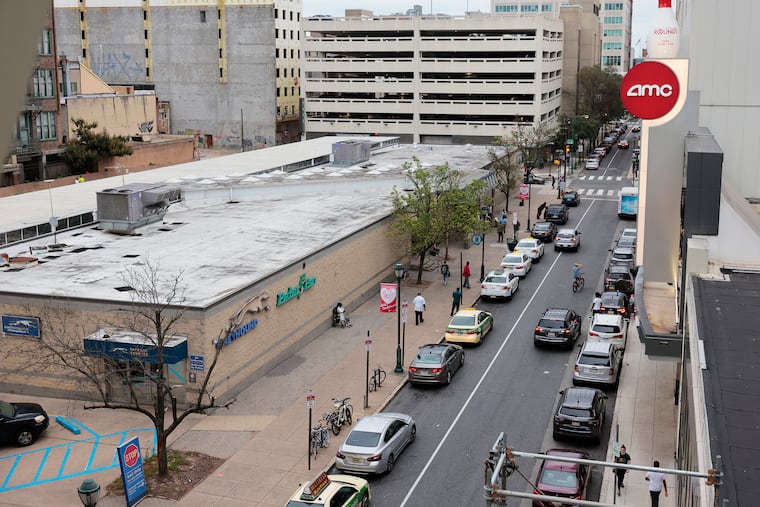
After more than two years of drama, Greyhound buses may be going home.
The Philadelphia Parking Authority would renovate the former intercity bus terminal on Filbert Street and run it on behalf of the city government, according to a proposed agreement.
“When you come to Philadelphia, we want you to be able to arrive at a place that is aesthetically nice and safe and a real terminal — not just be dropped off on the street in a neighborhood,“ Rich Lazer, executive director of the parking authority, said in an interview.
Greyhound ran the terminal at 10th and Filbert for more than three decades but ended its lease in June 2023 amid a wave of national wave of cost-cutting after the bus company’s real estate arm was sold to a hedge fund.
Greyhound likely would have had to leave the property anyway because the Philadelphia 76ers in 2022 proposed building a new arena on top of it and Filbert Street.
When those plans fell through, the building was available again.
Many have described Philadelphia’s inability since then to find a stable new home for intercity buses with proper shelter and amenities as a civic embarrassment and to some, a humanitarian disaster.
PPA’s board must approve a lease with the property owner. Legislation to assess fees on carriers for using city loading docks at a new intercity bus station was introduced Thursday in City Council.
Some Council members seemed gobsmacked by the proposals, saying they were not briefed by the Parker administration beforehand.
The fees would finance operational costs of a bus terminal and, in the case of the Filbert Street facility, renovations to the abandoned building.
Officials hope to have a fixed bus station operating in time for the thousands of visitors expected for a summer of World Cup matches, the Major League Baseball All-Star game, and events surrounding the 250th anniversary of the Declaration of Independence.
“We’re grateful that work is going on to pass an ordinance to fund [the terminal] through carrier contributions ... so visitors can have a safe and comfortable experience coming to Philadelphia,” said Deputy Managing Director Michael Carroll. He said the fees would cover costs that “the city would otherwise incur.”
Councilmember Mike Driscoll, who introduced the legislation, said he had been unaware that the administration was transmitting the bill Thursday, although he knew that in recent weeks the city had been analyzing how other cities structure their fees.
“That’s the nature of legislation, you get amendments late, you get legislation late, we could all do a better job of communicating,” said Driscoll, chair of the Council transportation committee.
But he stressed that his bill is not specific to using the old Greyhound site, which lies in Councilmember Mark Squilla’s district. Under the tradition of councilmanic prerogative, any legislation related to that site should go through Squilla.
“Ultimately, my legislation today is about fees,” Driscoll said. “Where the ultimate location is going to be, the district councilperson should be involved in that.”
PPA, a state entity, has a tentative agreement for a 10-year renewable lease with the owner of the property, 1001-1025 West Filbert Street LLC, the authority said. Bus usage fees would pay the $13 million cost of the lease as operating and construction, Lazer said.
It is common to use independent authorities to run bus terminals, including in Boston and Washington.
The Filbert Street building is accessible to local transit options and close to Chinatown businesses, the Fashion District, the Convention Center, and hotels and interstates.
Limiting impact on Chinatown
PPA would take the lead in operating the station in partnership with the city. Some parts of the proposal are still being discussed and finalized.
“We hope we will be able to serve buses in a convenient location with minimal impact on neighboring communities,” Carroll said.
Those principles would apply to any site chosen for a new Greyhound terminal, he said. The city is continuing to study other potential sites.
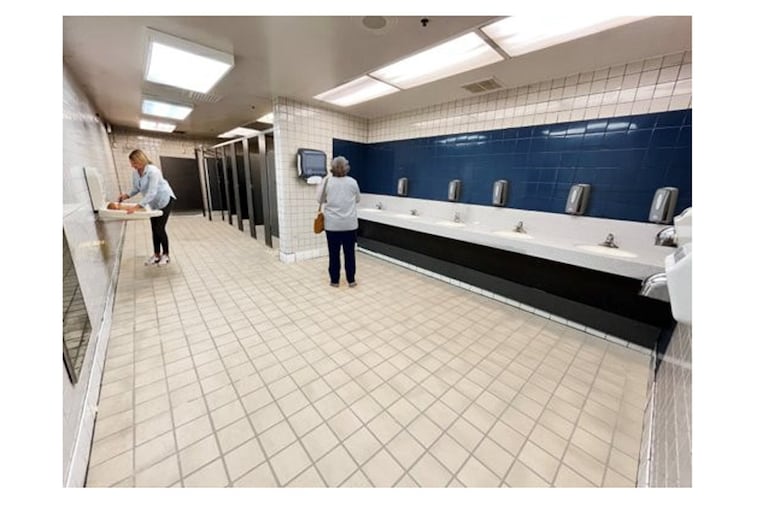
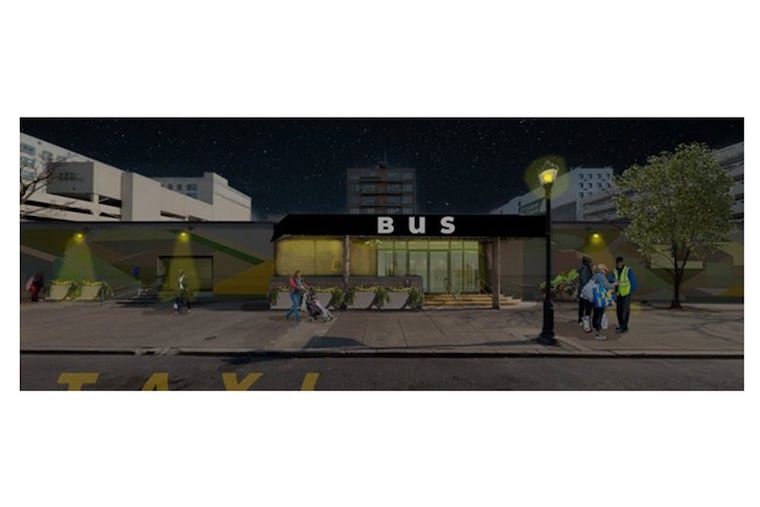
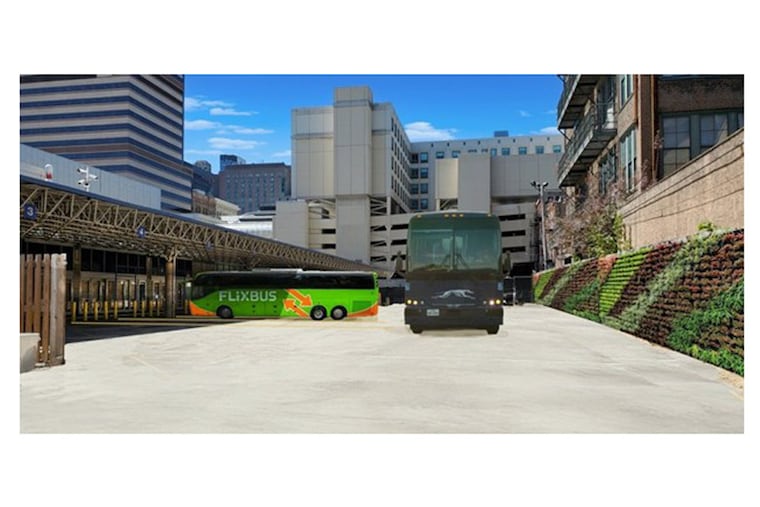
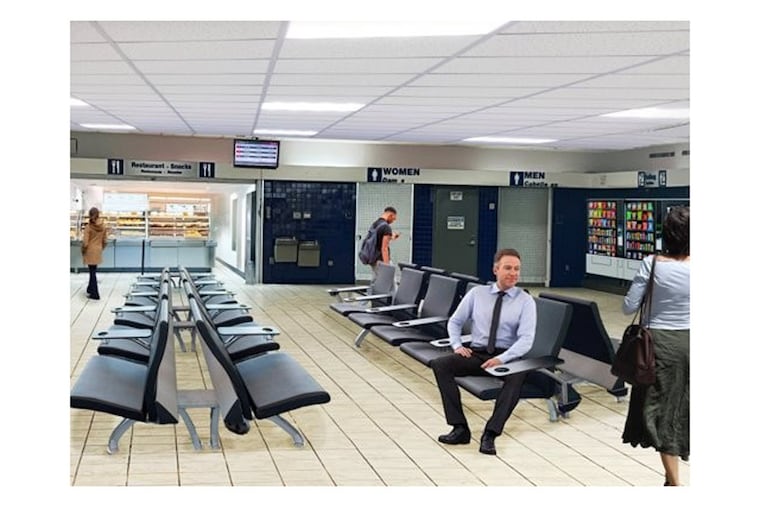
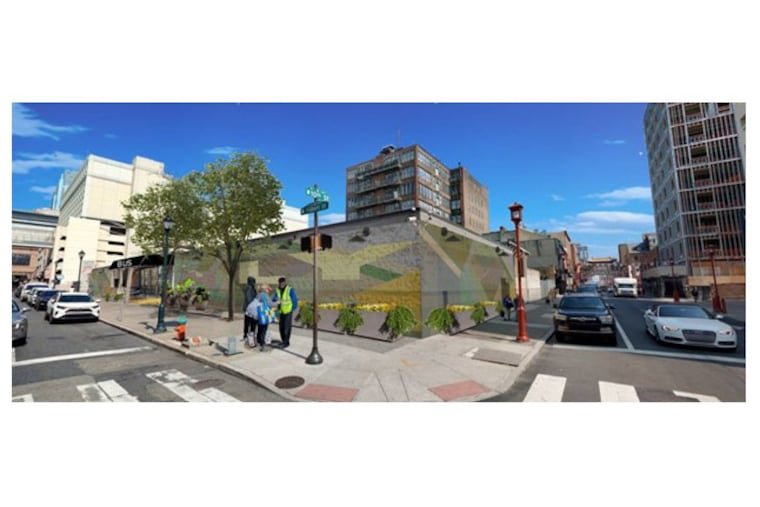
But the Filbert Street proposal includes specific requirements designed to address concerns particular to Chinatown, Carroll said.
For instance, the Streets Department would change traffic patterns so buses are routed to the station via Market Street instead of driving through the heart of the neighborhood as they did in the past.
“There would be no need to go through Chinatown because the geometry would be changed,” Carroll said.
The routes and any driver misbehavior would be enforced by cameras and some police presence, backed up by financial penalties for violations — “power we didn’t have before,” Carroll said.
Plans also call for landscaping to green up the property and having PPA staff, city employees, and police patrols at the site to “make sure it doesn’t become an eyesore or a nuisance,” he said.
Initial skepticism
Squilla said he was unhappy that the Parking Authority and the Parker administration came up with a plan for his district without consulting him at all.
In particular, Squilla noted that Parker’s Market East Advisory Committee hasn’t even begun the planning process for the neighboring stretch of East Market Street yet. The group’s first meeting is Monday.
“We need to work with the community, Chinatown, and other stakeholders to make sure we fully understand what is being done at the Filbert Street site and what negative impacts will be around the Fashion District or East Market Street,” Squilla said. “I’m a little upset, but I’m willing to work with community members to find out what challenges are there and try not to move this legislation forward until we have answers.”
Greyhound’s roving bus stop
The terminal on Filbert Street, home to Greyhound, its parent company FlixBus, and Peter Pan Bus Lines, closed in June 2023 and moved to curbside operations on the 600 block of Market Street. The new site, chosen by city officials, lacked benches, bathrooms, and other amenities.
» READ MORE: Timeline: The Greyhound station's many moves
“Rarely has a single government decision unleashed such chaos,” wrote Inquirer architecture critic Inga Saffron.
Intercity buses gobbled up the Market Street bus lane set aside for SEPTA buses. Drivers dropping off and picking up passengers clogged traffic.
Five months later, Greyhound and the other carriers moved operations to a corner in Northern Liberties along Spring Garden Street. City officials promised it was temporary, but the “station” is still there, with attendant trash and disruptions to local business.
“Spring Garden is awful, and it’s not anybody’s fault. It’s just what happened,” Lazer said, adding that it seemed the best temporary bus option at the time.
Proposals to move the stop to other locations met fierce pushback from residents, business owners, and community groups.
This May, City Council held a meeting to press administration officials about the lack of progress on finding a permanent location. John Mondlak, the first deputy chief of staff of the city planning department, said then that it was difficult to estimate how long it might take to establish a permanent intercity bus station: “It’s going to be years.”
Staff writer Anna Orso contributed to this article.
Editor’s note: This article has been updated to clarify how buses would be routed around Chinatown to the Filbert Street station.