SEPTA shifts into reverse to get full transit service restored by Sunday
SEPTA is scrambling to bring reduced transit service to normal levels with days to spare.
Try stopping an oil supertanker at sea. They don’t have brakes, and it takes miles.
A transit agency with more than 9,000 employees, countless switches and software systems, and fleets of buses, trains, and trolleys generates a fair amount of inertia, too.
Yet SEPTA officials have just three days to finish reversing course on 20% service cuts. Planners say they’ll make it.
Full fall service returns on Sunday and Monday, following a last-minute infusion of $394 million found by shifting money reserved for capital projects to operations aid in a state mass transit trust fund.
At the same time, a 21.5% across-the-board fare increase is due to take effect.
SEPTA had a head start.
It spent months designing two separate service timetables — and unionized operators picked two work schedules — one set with cuts, the other for normal operations.
“We did a lot of prework that makes it possible for us to change the schedule in 10 days,” said Jody Holton, SEPTA’s chief planning and strategy officer. “We couldn’t do it otherwise.”
Workers began steps to switch gears on Sept. 4, when a Common Pleas Court judge ordered SEPTA to reverse the cuts. She allowed the fare increase to proceed.
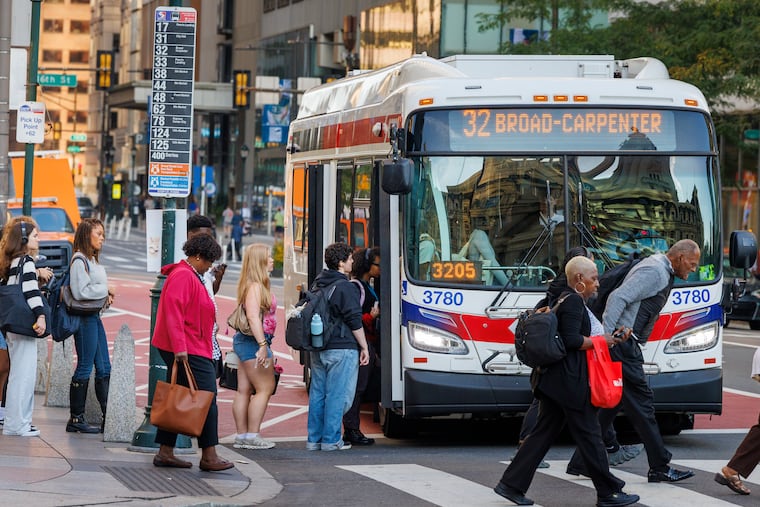
Not that it’s as simple as fueling up 1,400 buses and turning the keys.
Much of the work has involved feeding data into “back-end” systems that control trains and their signals, dispatch and manage buses, process payroll for the vehicle operators, and do other essential tasks, said Colin Foley, SEPTA’s deputy chief of planning.
All of the jobs are based on the schedule, and you can’t flip back and forth between two of them, he said. A smooth transition is critical.
Workers have been uploading information “and are doing a final run, a check to make sure everything works appropriately,” Foley said.
There are other important considerations, including safety limits on the number of hours operators can work. Bus or subway operators, for instance, could not end their shift at midnight Sunday and then begin a new one at 4 a.m., Foley said.
“We have to make sure all the schedules are aligned, and that our operators are getting proper rest,” he said.
Most SEPTA service will be restored to normal on Sunday, but bus routes and trolley lines serving Delaware County will begin normal service Monday morning because a separate union operates those vehicles, officials said.
Regional Rail is switching to the fall schedule, but cuts in that service scheduled for Sept. 2 were halted under the judge’s order. Riders should notice few changes, SEPTA says.
On Aug. 24, SEPTA cut 32 bus routes, shortened 16 others, and trimmed service across the board. That was in response to a budget stalemate in Harrisburg and no new mass transit funding.
The transit agency estimates that the cuts cost it $900,000 a week — about $520,000 in lost revenue from the delayed fare increase and $380,000 in costs to continue with full Regional Rail service under the court order.
Though SEPTA now has a temporary patch, no overall state budget has passed. It was due June 1.
The capital funds transfer is meant to last two years, allowing SEPTA to close its projected yearly $213 million structural operating budget gap.
Agency officials and advocates are dreading a return to the brutal politics around state transit funding that for two years have blocked a deal on a longer-term plan.
Meanwhile, the rush is on to get ready:
Printed full-service timetables have been sitting in a warehouse, boxed and ready to go. SEPTA workers are restocking racks in Regional Rail stations, transportation centers, and other places where several travel modes converge, such as 30th Street, Suburban, and Jefferson Stations, as well as in the agency’s Center City headquarters.
Crews are beginning to take down the more than 3,000 red-bordered alert signs posted at bus stops on routes that were discontinued or shortened. But there are not enough people to remove them all in time, Holton said: “If anybody from the public wants to remove one and take it home or dispose of it properly, they are welcome.” And do it safely, she said; some of the signs are in perilous places, close to traffic.
SEPTA reported 13% fewer riders on bus and metro rail during the first week of the cuts. Although it was late summer ahead of a holiday, the agency said it expected 723,000 riders and had 628,000.
In addition, overcrowded buses left 4,400 people behind at stops, and the number of late bus trips was up 26% compared with normal conditions because it took more time to board passengers on fewer buses, SEPTA said.