FMC boss says the company could be sold by July
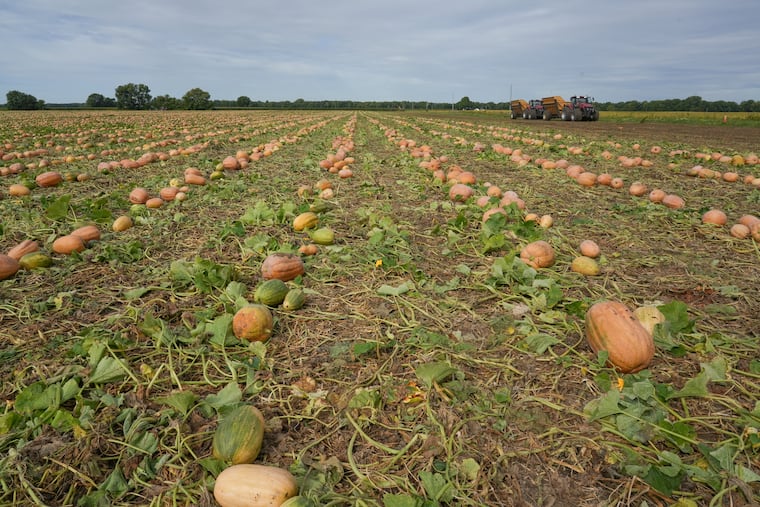
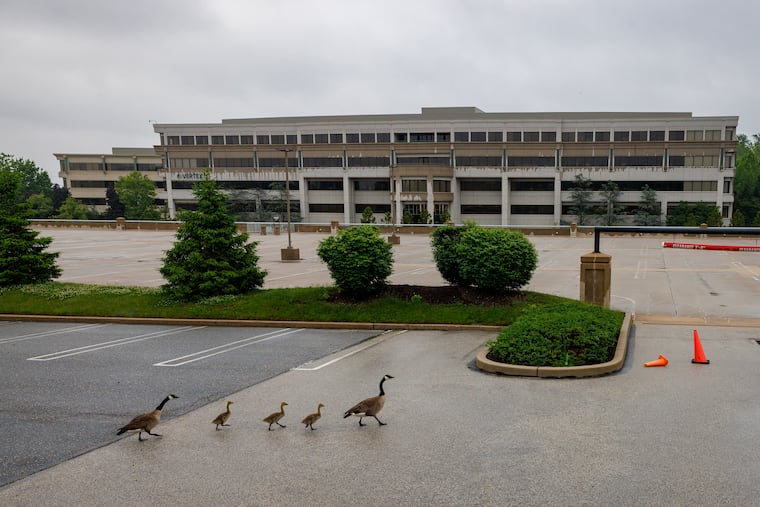
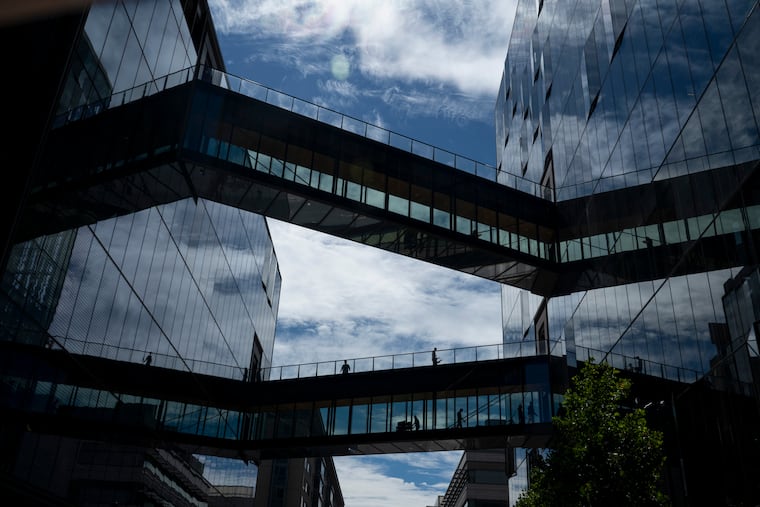
FMC, the world’s fifth-largest pesticide maker, is headquartered in University City.
Workers, shareholders, and farm customers of pesticide giant FMC, whose red-lettered logo glows atop its University City headquarters, should know in a month if they’re likely to get a new owner.
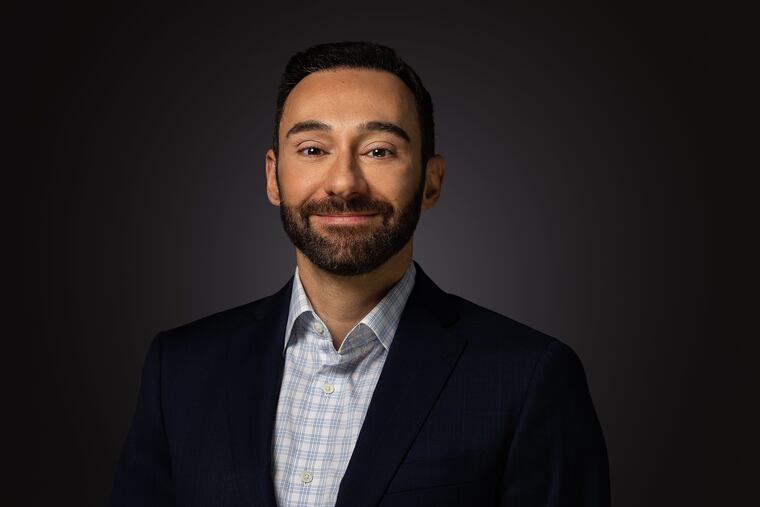
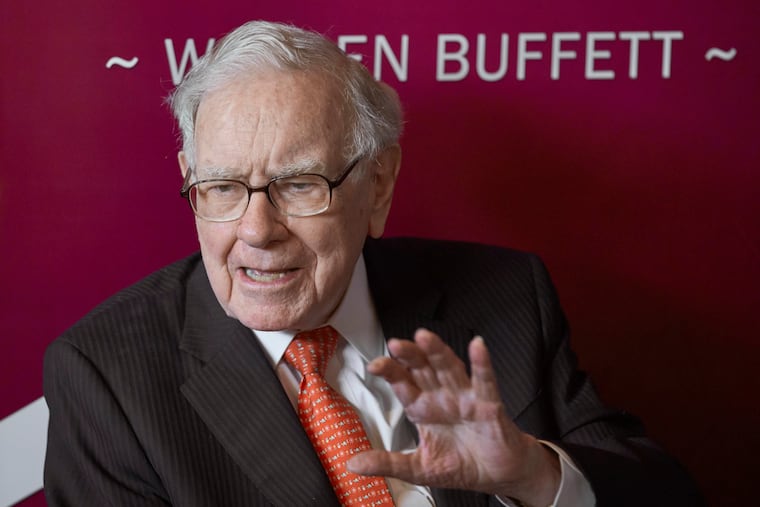
The process for talking to potential buyers of FMC, the world’s fifth-largest pesticide maker, “is still going on. The number of parties we are discussing with is getting smaller,” CEO Pierre Brondeau told investors Wednesday at Wolfe Research’s yearly chemical-industry conference in New York.
“It’s always very distracting for an organization” when a sale is under consideration, Brondeau said, adding he expects that “by the time we get to the end of July, to the earnings call for the second quarter, that we can close this process.” Shares briefly rose 10% after his remarks.
It has been Brondeau’s goal to keep FMC independent since he returned as CEO in 2024 after a four-year retirement from daily management. The company’s share value plunged from above $120 in early 2023 to under $10 last winter, as farm sale growth remained in a post-COVID slump.
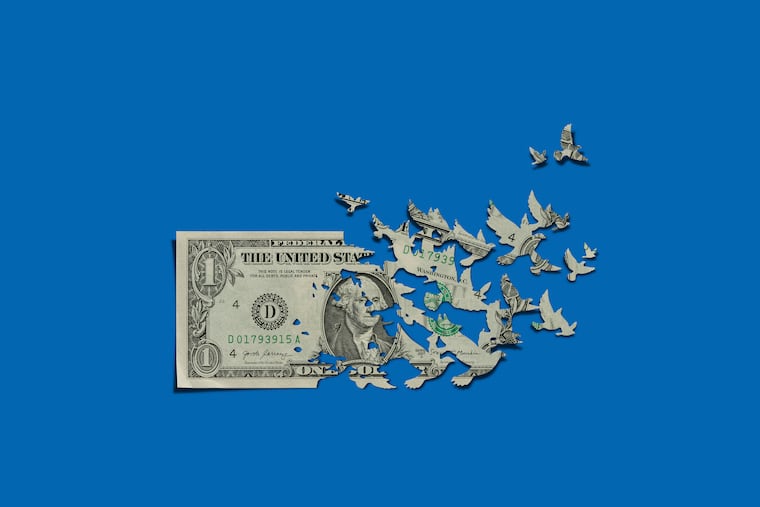
But in February, with FMC’s credit rating fallen to junk-bond status, the company cut its dividend and said it planned to raise $1 billion from asset sales and licensing deals to pay down debt. Executives also hired bankers to talk to potential buyers in case the company could draw an offer shareholders might find more attractive than years of rebuilding.
Brondeau said Wednesday that FMC was more than halfway to its billion-dollar target, following the sales of operations in India and a smaller business line in Europe, and a licensing deal with Wilmington-based Corteva, the largest U.S.-based pesticide company. Other deals are in the works, he added.
Brondeau has chaired FMC’s board since 2010. He is the architect of the company’s reorganization into a multinational pesticide business, from a diverse industrial holding company.
FMC employs around 5,500 workers, including around 300 at its headquarters, and 330 at its Stine research center near Newark, Del., which the company acquired from DuPont in 2021.
At the conference Wednesday, Brondeau affirmed FMC has products “in the pipeline” that should boost sales and profits in the coming years, balancing its pesticide focus with new herbicides and insecticides to move year-round sales to farmers of many different crops.
Mergers in the 2010s produced a handful of pesticide multinationals — such as BASF, Bayer, Corteva, Syngenta — as well as FMC. But Brondeau noted the global farm chemical industry remains competitive and fragmented.
Brondeau said the expense of getting some of its pesticides distributed to more farmers had spurred a deal announced Tuesday to license its rimisoxafen herbicides for Corteva to sell to corn and soybean farmers in the U.S., Brazil, and other Western Hemisphere countries plagued by certain pesticide-resistant weeds.
Under terms of the deal, Corteva agreed to pay FMC $200 million up front, as well as a cut of the sales.
FMC was the only one of the five largest global pesticides companies that did not design its chemicals to work with particular genetically modified seeds.
Corteva, based in Wilmington, was spun off from DuPont and last year announced it was turning its seed business into another separate company.
Last month Corteva said it would name the new seed company Vylor and move the headquarters of both its pesticide and seed company successors to Indiana. The company will keep an office in Delaware.