Why JPMorgan Chase has opened nearly 50 branches in the Philly region as other banks shut their doors
JPMorgan Chase & Co., the nation’s largest bank, is playing catch-up by adding branches in the Philadelphia region while others cut.

They’re the only one doing this: In the last five years, JPMorgan Chase & Co., the nation’s largest bank, has opened 47 new Chase bank branches in the nine-county Philadelphia metro area, boosting the total to 70.
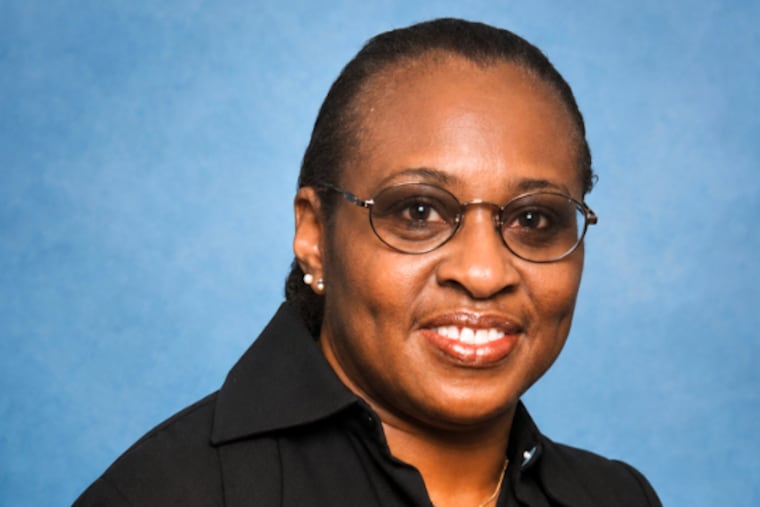
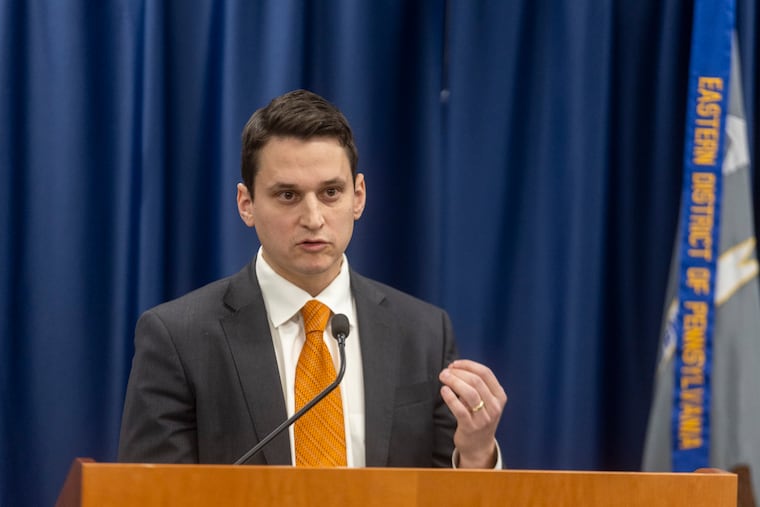
“We open branches because customers demand ’em,” said Jason Patton, who this month became Chase’s head of consumer banking for Pennsylvania, South Jersey, and Delaware, heading a staff of nearly 1,000.
Most banks’ customers aren’t so demanding.
During those same five years ended June 30, other banks shut a net total of 270 branches in the region, leaving 1,293 across Southeastern Pennsylvania, South Jersey, and the Wilmington area, according to Federal Deposit Insurance Corp. data.
Out-of-town companies that bought Philadelphia’s largest banks during the merger mania of the past 30 years have been shutting surplus branches as customers shift to smartphone access.
Wells Fargo alone closed 51 branches. The walk-in branches remain important, along with the bank’s mobile and online applications and ATMs, Wells Fargo spokesperson Joseph Rupolo said in a statement. Wells Fargo makes branch opening, improvement, and closing decisions “based on customer use and the changing traffic patterns and retail landscape” around each branch.
JPMorgan Chase came late to Philadelphia. Jamie Dimon, the bank’s long-serving CEO, visited Philadelphia in 2018 and announced the bank was targeting the region, starting with a network of city branches and spreading to the suburbs.
He said his company already had thousands of mortgage, credit card, student loan, and many sizes of business and nonprofit customers across the region. By adding branches, he hoped to entice those customers to come in and open investment and deposit accounts and take out larger loans, increasing the bank’s sales and profits.
“We’ve had customers here for 150 years,” said Patton, counting the company’s many predecessor banks. “But we didn’t have a branch presence. Jamie Dimon likes to say, ‘People like to visit their money.’ We are able to meet customers where they are.”
The goal, Patton said, is “that we become part of the fabric of the community, and show that our commitment is for the long haul. Trust is super important.”
Trust is especially important where “frauds and scams are rampant,” Patton said. Many consumers find rival appeals from legitimate lenders and investment funds hard to distinguish from unregistered, unaccountable would-be providers.
Community banking
Patton has been a leader in the company’s community banking unit, which holds neighborhood workshops where “we help people set a long-term budget to achieve their hopes and dreams.”
A Drexel University graduate and Bronx native, Patton earlier worked at Chase’s Wilmington-based credit card unit, the world’s largest.
The company is one of the Philadelphia area’s largest for-profit employers, with more than 12,000 card, investment, and tech workers in the Wilmington area, the nation’s credit card hub, not counting the branch workers who report to Patton.
Many of the new Chase branches are smaller than the classic Main Street and neighborhood business district offices of Philadelphia’s vanished PNB, First Pennsylvania, PSFS, Provident, Girard, and other hometown lenders.
Also coming is a JPMorgan Financial Center, a larger branch offering investments and other products for more affluent customers, Patton said. The company has not yet chosen a location for that office.
Chase’s growth in the region
By 2020, two years after Dimon’s visit, the company’s Chase consumer-banking unit had opened 23 Philadelphia-area branches, in North, South, and West Philadelphia; Germantown; Roxborough; Wilmington; and a few suburban locations.
Since then, Chase’s network here has more than tripled, with dozens more planned.
Dimon was back in Philadelphia in May, promoting a new branch in a former Wawa at Broad and Walnut Streets, meeting with employees and customers, and opining on business prospects.
Besides the dozens of branch closings by Wells Fargo, the three other dominant Philadelphia banks — Rhode Island-based Citizens, Pittsburgh-based PNC, and Canada-based TD, which has its U.S. headquarters in Marlton — each closed more than a dozen. Those four each still operate more than 100 branches in the region; together they control about half the region’s bank branch deposits.
If Chase continues building as planned, Chase by 2027 will have a branch network to rival those big four lenders and more area offices than the next-largest banks, run by Wilmington-based WSFS, Lancaster-based Fulton, and the local arm of national giant Bank of America.
But Chase deposits haven’t kept pace with branch openings. Since 2021, Chase deposits at area branches have roughly doubled, to $3.1 billion, the 15th-largest in the market, and still rank behind much smaller, local institutions such as Firstrust Bank of Conshohocken and Univest Bank of Souderton.
That’s not unusual among metro markets Chase has entered in recent years, Patton said. “It’s a long game. We don’t have a divine right, that when we open a branch, everyone rushes through the front doors. We come outside the bank’s four walls, we see where people’s pain points are, and what solutions we can provide.
“We feel our products are world-class. And we hire locally. If we do things right, we will lift the communities. ”
Still building
Since JPMorgan Chase’s smaller New York rival Citigroup tried to build a Philadelphia branch network in the 2000s, only to shut the offices 10 years later, Chase’s branch-opening policy has been nearly unique.
Real estate developer Vernon Hill, founder of Commerce Bancorp (now TD), boldly opened new branches of Republic Bank through the 2010s and planned more, but a boardroom and investor rebellion forced him from power in 2022, followed by his bank’s sale to Fulton.
Midsized banks such as Fulton, WSFS, and Buffalo-based M&T have grown in the region by acquisition, shutting surplus branches to consolidate costs while keeping open busier sites.
Chase opened a new branch in April in Philadelphia’s Fairmount section; another in Aston, Delaware County, in July; and one in Levittown, Bucks County, in September.
Later this year, Chase plans to open branches in Philadelphia’s Chestnut Hill section; in Collegeville, Harleysville, Montgomeryville, and Souderton in Montgomery County; and Kennett Square and Westtown in Chester County. The company is also adding branches in the Lehigh Valley and Reading areas.
Next year, Chase has more branches planned for New Hope, New Britain, Pipersville, and an additional Levittown branch, in Bucks County; Phoenixville and Parkesburg, Chester County; Clementon, Medford, Mount Holly, Sewell, and West Berlin, in South Jersey; along with others across Delaware, and in the Harrisburg and Lancaster areas.