Workers are feeling the squeeze from higher prices, insurance, and energy costs, says Philly’s top banker
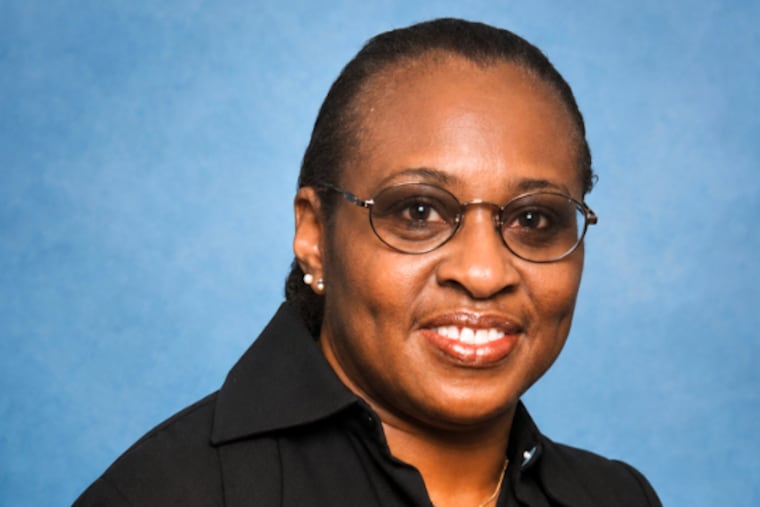
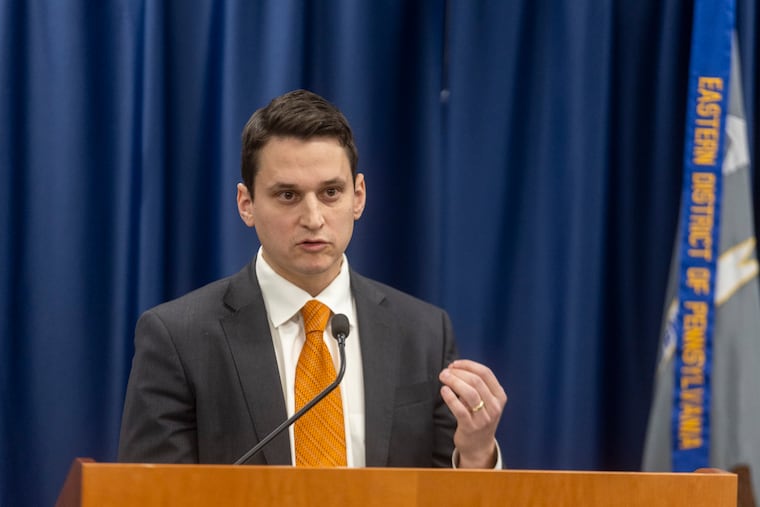
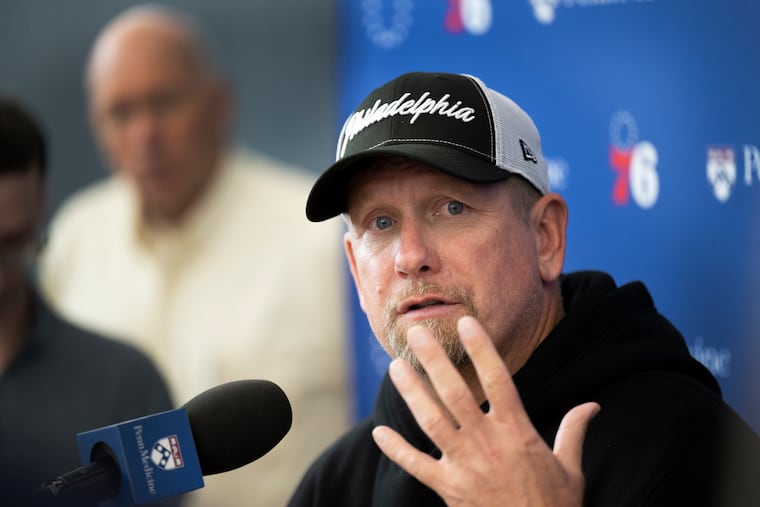
Rodger Levenson is leading WSFS, the area’s largest bank, as the economy slows.

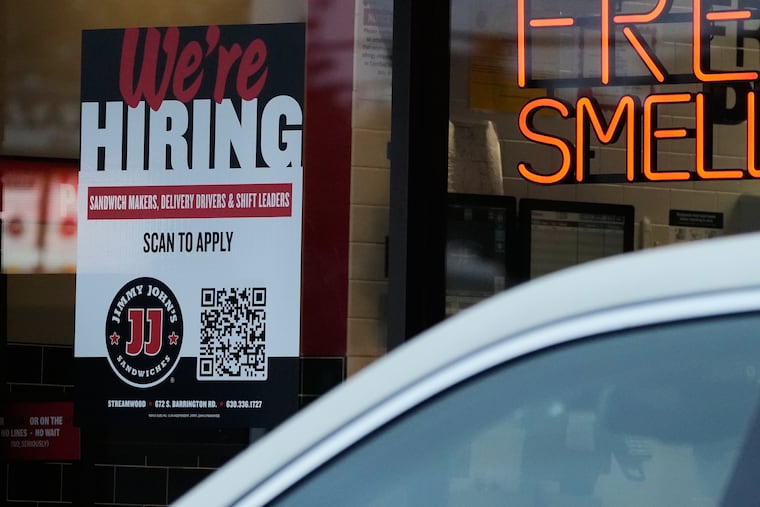
Inflation has slowed workers’ spending, stores and restaurants that serve them keep shutting locations, and a lot of businesses are holding off on new projects and hiring.
But prosperous Philadelphia-area residents are still shopping for high-end items and profitable investments, and there’s money to be made serving them, says Rodger Levenson, a Broomall native who heads WSFS, the Philadelphia area’s biggest bank.
With the region’s old multibillion-dollar banks merged or failed, the onetime Delaware savings society has grown into the largest bank based in metro Philadelphia with $20 billion in loans and other assets at 87 branches across the region. Its share price has steadily beaten the KBW banking average since Levenson took over in 2019.
A Temple graduate with a Drexel MBA, Levenson as a young Philly banker at CoreStates was lending to Philly retailers like the former Fashion Bug, David’s Bridal, and Sidney Kimmel’s Jones New York. He heads a staff of 2,300 and reports to a board that includes Wawa CEO Chris Gheysens, Comcast executive Karen Dougherty Buchholz, and Longwood Foundation head Eleuthère (Thère) I. du Pont.
Levenson agreed to take questions from The Inquirer in an interview at the company’s high-rise Wilmington headquarters. Questions and answers have been edited for clarity and length.
How’s business?
In the first half of the year, there was a real hesitancy about the near-term outlook of the economy, tariffs, taxes. Our commercial customers told us they were making money, but they were not going to do extra projects until they knew the impact of tariffs, the direction of interest rates.
Now there are clear signs the economy is slowing. We hear, “We are not laying off people, but we are not hiring people.” The sentiment is things are not great, but still good.
Are people having trouble paying loans?
We haven’t seen that in our asset quality. Things aren’t as bad as you might think if you got all your information from the news. But generally, there are warning signs in the general statistics, a kind of slowing.
The upper-end consumer is propping up the economy in terms of spending. [Working] people don’t have as much money to spend as previously because of inflation and higher insurance premiums.
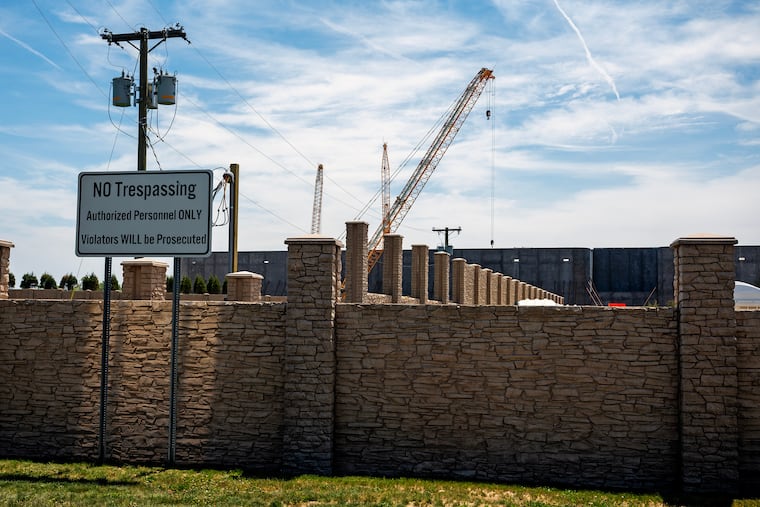
And I don’t think people realize how electricity is going to become a bigger and bigger cost.
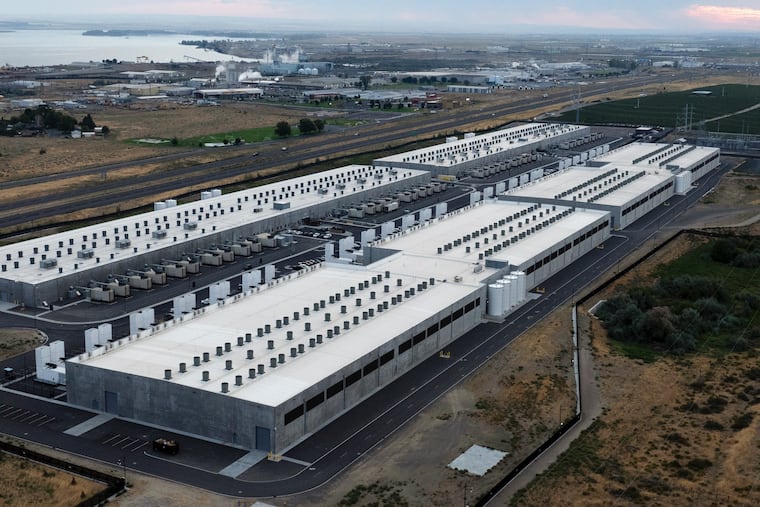
Are all those proposed data centers going to get built?
AI is real, the data center thing is real, and so is all the power consumption those things will need.
But it will take some time. A lot of buildings built for Amazon during COVID ended up repurposed.
For all the talk about AI, people haven’t really figured out how to use it yet.
Are ICE arrests of workers hurting farmers and food businesses?
We just met in Rehoboth with our [Shore] advisory board and the Delaware Restaurant Association. They said summer was “good, not great,” and labor kind of hung in there. I don’t think labor is the reason for all the challenges the restaurant chains are having. A lot of them are owned by private equity. They have a lot of debt, and they are stressed. In part, it’s the changes in lifestyle and inflation.
You still have people answering phones, even off hours. Why not automate?
It’s a choice we make. We say, “We stand for service.” We do add tools like AI to ask better questions, along with all our training. But I don’t know how you can say you are all about service, then put people through a chain of terror. We’ve never discussed offshoring or digitizing or any of that.
Why bank with WSFS instead of the big national banks?
If you’re a consumer, a small-business owner, a local developer in this market, our whole business model is based on face-to-face service, market knowledge, of things you can’t commoditize. People want to talk to people. When they open an account, they want to come into the branch and look someone in the eye.
Because we only have 6% market share, we have a lot of room to grow. We’ve been successful taking market share from the big guys. They are busy outside this region.

December 2010: Christiana Bank & Trust Co. in Greenville, Del.
September 2014: First National Bank of Wyoming in Wyoming, Del.
October 2015: Greater Delaware Valley Savings Bank in Broomall, Pa.
August 2016: Penn Liberty Bank in Wayne, Pa.
January 2019: Beneficial Bank in Philadelphia
January 2022: Bryn Mawr Trust Co. in Bryn Mawr, Pa.
WSFS was founded in 1832 as a depositor-owned “bank of the people,” like Philly’s old PSFS. Why the turn toward wealth management?
The wealth and trust franchise we put together with the purchase of Bryn Mawr Trust [in 2022] is a big part of our growth. We meet the needs of our clients in ways we couldn’t before — traditional money management under the Bryn Mawr Trust brand, a Delaware trust company — almost every personal trust in the world is domiciled in Delaware; and we’re a big corporate trustee and securitizations agent.
Quakertown National Bank just bought Victory Bank up in Limerick; Mid-Penn Bank from Harrisburg is buying First Colonial in Collingswood. Did you make offers for those banks? Would you buy others?
The last couple of years we are very focused on our own organic growth. We integrated Beneficial Bank and Bryn Mawr Trust. We rebranded and [merged] systems [and closed duplicate branches], and we needed to catch our breath. We are getting to where we have the capacity and willingness to do a bank acquisition. But the bar would be pretty high. We’d like to have more of a presence in Bucks County. We just opened an office in Doylestown.
Are more big banks offering to buy WSFS?
Our board has taken a stand for independence. We believe we produce more value for our owners independently. But we have to prove that, every day.