Peco seeks rate hike that would boost combined typical electric and gas bill $35 a month next year
If approved, a typical residential electric customer’s bill would rise by $20.08, or 12.5%, per month. A natural gas customer would see a rate increase of $14.52, or 11.4%.
Peco, citing the need for significant upgrades to meet demand and increase reliability of the grid, filed a request Monday seeking $520 million in rate increases for electric and natural gas delivery in 2027.
The Philadelphia utility, which serves 1.7 million electric customers and more than 550,000 natural gas customers in Southeastern Pennsylvania, has applied for the increase through the Pennsylvania Public Utility Commission (PUC).
If approved, a typical residential electric customer’s bill would rise by $20.08, or 12.5%, per month. That could be about $2.30 per month less if the PUC approves a Peco proposal to spread the cost over time.
A typical residential natural gas customer would see a rate increase of $14.52, or 11.4%, per month. Most Philadelphians, however, get their natural gas via Philadelphia Gas Works (PGW).
Specifically, Peco, which is owned by Exelon, is seeking $429 million to pay for its electric investments and $81 million to pay for natural gas investments.
Overall, the company says it is looking at $10 billion in infrastructure investments over the next five years to help “ensure a more reliable energy grid for customers.”
The news of a potential rate hike was announced as the utility company negotiates a new contract with IBEW Local 614, the union that represents about 1,600 Peco workers including linemen, back office staff, and call center employees. Their contract expires Tuesday.
Peco’s application also comes as many households are either outraged by already increased utility bills, struggling to pay those bills, or both.
» READ MORE: Philly-area residents share how much they paid to keep warm this winter
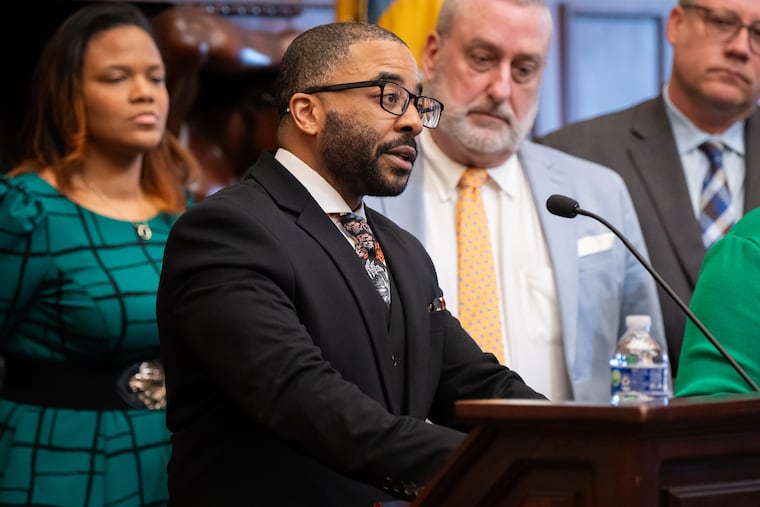
Doug Oliver, a senior vice president at Peco, said the decision to apply for a rate hike brought about “consternation” within the company “because of the affordability environment that we’re in.”
“We know that our customers are being squeezed in almost every area of their life, from childcare to gasoline, and yes, even in energy,” Oliver said. “We spent a lot of time trying to figure out if there’s a way to not do this today. And unfortunately, we concluded that there was no other way.”
» READ MORE: Their electric bills hit record highs this summer, from the Main Line to the Jersey Shore
Oliver said Peco had a “very difficult task” of balancing needed investments and the reality facing customers.
But he said the filing is needed to give customers “what they expect, what they deserve” in terms of safely and reliability.
Oliver said Peco has been faced with a 400% increase in supply costs, referring to wholesale electricity rates for the power it buys.
“There’s not enough electric generation to meet the forecast demand, and that makes the price go up,” he said.
Some cost can be attributed to expected demand by data centers — many of which have yet to be approved or built, Oliver said.
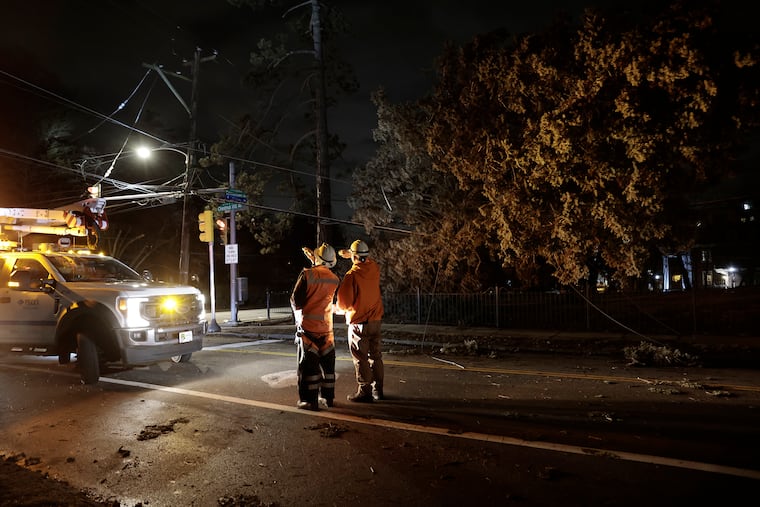
However, Peco is faced with more immediate issues caused by extreme weather that increasingly causes downed wires and poles and damages other infrastructure, he said.
Oliver said newer, stronger poles are needed. Older aerial cables must be replaced by tougher, but costlier, Hendrix brand cables that are known to vastly reduce outages.
Meanwhile, transformers have to be installed or replaced. Drones are needed, he said, for more efficient inspections and damage assessments.
And specialized equipment is needed to automatically restore service during and after storms.
Meanwhile, Peco needs to expand its adoption of solar energy, electric vehicle charging, and battery storage, he said.
“So this is for poles. This is for wires. This is for transformers. This is for drones,” Oliver said, “and technology that can quickly shrink an outage that may have impacted 2,000 down to only impacting 200.”
Peco is also looking to replace existing natural gas mains and service lines with new plastic pipe, which it says is more safe and durable, while improving service and reducing methane, a greenhouse gas.
As examples of the type of projects needed, PECO noted it has spent $66 million to upgrade electric infrastructure in Upper Darby, $56 million for a new substation in Philadelphia’s Overbrook section, and $52 million to retire outdated substations in Center City.
Oliver noted that Exelon has a customer relief program to address affordability for those who qualify. Under the $200 million Exelon Promise program, a customer’s bill caps at a percentage of their income.
And Peco has expanded that in a customer relief fund, a $12.5 million pool of money distributed to qualifying customers through $750 grants. To be eligible, a customer must have a past-due balance of no more than $2,500 and household annual income not exceeding 150% of the 2026 Federal Poverty Level, or family of four making $49,500 or less per year.
Peco last applied for rate hikes for electricity and gas in 2024.
For electricity, the PUC agreed to allow increases to be split over two years for a typical household: 10% in 2025, and 1.8% in 2026.
For gas, it agreed to a 12.5% increase starting in 2025.
Peco was not allowed to apply for another increase until March 16, 2026, under the agreement with PUC.