Pennsylvania’s $80 billion school pension fund gets a new director
One of Gov. Josh Shapiro's closest aides, Uri Monson, will run the teacher retirement plan.
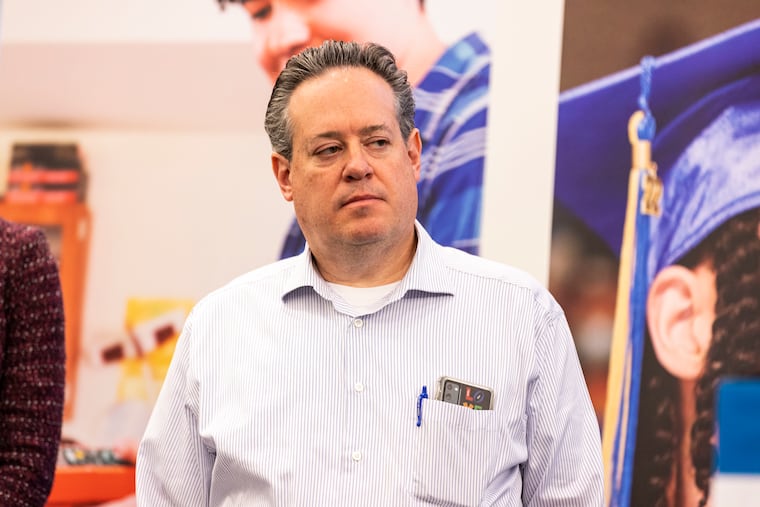
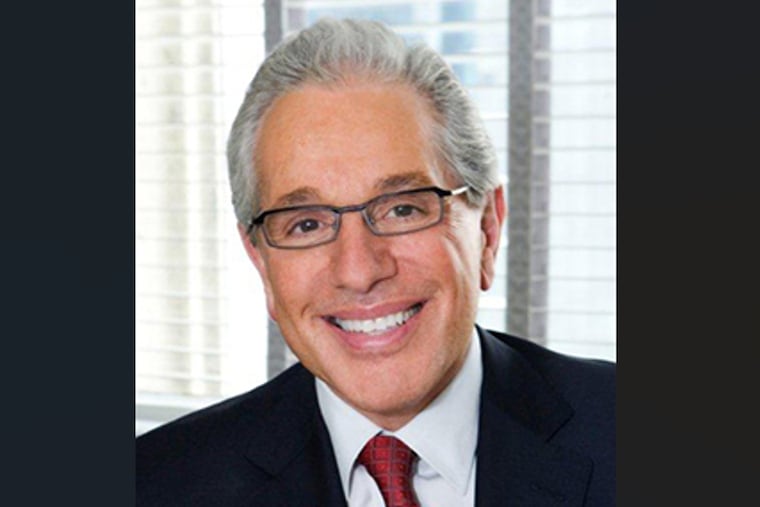
Uri Monson, Gov. Josh Shapiro’s longtime confidant and Pennsylvania’s budget secretary, is the new executive director of the $80 billion-asset Pennsylvania school pension and investment system, known as PSERS.
The move puts Monson, a former top finance officer for the School District of Philadelphia and for Montgomery County government while Shapiro was its top elected official, atop the agency responsible for paying retirement checks to half a million current and retired school employees.
Monson has shown “exceptional financial leadership and integrity,” Shapiro said in a statement, citing Monson’s bond refinancing work that shaved state interest costs and helped boost its credit ratings so they are no longer among the lowest of the 50 states.
He is making the move to PSERS following a 135-day state budget impasse that resolved last month with a $50.1 billion budget deal between Shapiro and the divided legislature.
Zachary Reber, a deputy secretary in Monson’s office with 30 years of state government experience, will become the state’s new budget secretary. Shapiro credited Reber as a top negotiator for the 2025-26 budget, helping clinch the deal with legislators.
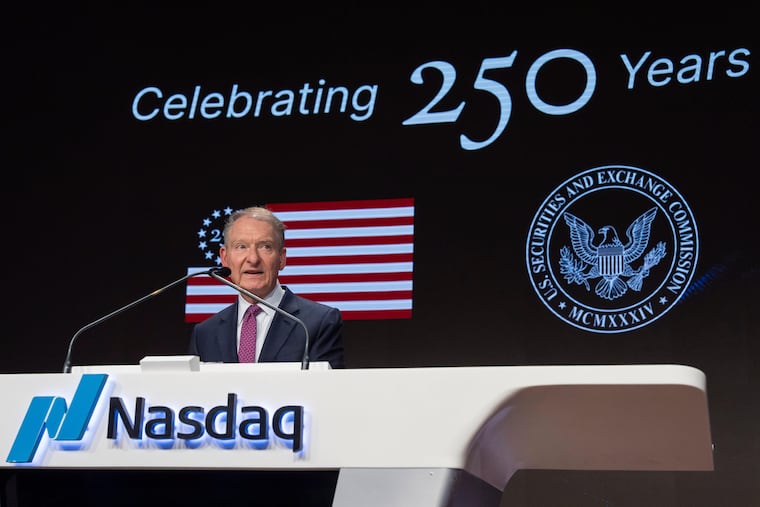
At PSERS, Monson will lead a staff of 350. The board picked Monson “because of his extensive public-sector financial experience,” board chair Richard Vague said in a statement that also said Monson’s hiring followed “a nationwide search.”
The new executive director “understands both the financial demands of a pension system and the responsibility” to school staff and retirees, said vice chair Sue Lemmo, a retired teacher.
Monson pledged to work with the board, staff, and other stakeholders — who include taxpayers and pension system members — to ensure “retirement security.”
He holds both a master’s degree in public policy and a bachelor’s degree from Columbia University and a second bachelor’s from the Jewish Theological Seminary of America.
PSERS is one of the most expensive state programs, consuming $5.5 billion directly from public revenues last year, including both state and local property tax funds, plus $1.2 billion routed through school workers’ paychecks.
The system also collects profits from its wide-ranging investments, totaling $5.7 billion last year.
The switch will likely mean a significant pay raise for Monson, who earned $211,000 a year as budget czar, the most of any Pennsylvania cabinet officer and more than the lieutenant governor.
While working as the top budget officer in the state since 2023, Monson oversaw Shapiro’s annual state budget proposals, which guide spending for the next five years.
Republican lawmakers criticized Shapiro’s 2025-26 budget proposal for counting on new revenue streams, such as marijuana taxes, that had yet to be approved by the General Assembly.
Pennsylvania faces a tough fiscal outlook, as the state will spend more than it brings in this year, led by ballooning Medicaid expenses and pension costs.
Monson’s predecessor at PSERS, Terrill Savidge Sanchez, was paid $317,000 in fiscal 2024. A longtime PSERS employee who also headed the smaller Pennsylvania state workers’ pension system (SERS), Sanchez announced her retirement earlier this year. Chief investment officer Ben Cotton stepped in as interim director after she left.
Sanchez was tapped for the top PSERS job in 2022 after the departure of Glen Grell, a former state representative and lawyer who tripled his legislative paycheck by joining PSERS in 2015.
Grell and other top staffers retired during a federal investigation into the system’s exaggerated earnings and secretive land deals, which was followed by changes in pension investment, financial reporting, audit, and travel practices.
Monson worked closely with Shapiro, then a county commissioner, in Montgomery County’s 2013 decision to fire dozens of Wall Street money-management firms and turn its pension funds over to locally based Vanguard Group and SEI Investment Corp., cutting fees and reporting better returns over the next 10 years.
As governor, Shapiro has not attempted such a purge, either at PSERS, where he controls three of 15 trustee seats, or at the SERS state employee pension system, where the governor appoints six of the 11 trustees.
PSERS trustees on their own have scrapped hedge funds and cut back on private-equity funds in recent years, citing high fees and poor returns compared to the rising U.S. stock market.
PSERS, like the state workers’ pension system, was among the first state pension systems to invest heavily in private assets in the late 1990s and 2000s.
PSERS’s private investments underperformed U.S. stocks during the 2010s bull market. Those investment returns, plus rising retirements and pension underfunding in the early 2000s, required higher taxpayer payments in recent years to keep the fund from growing less solvent.
Pennsylvanians now pay 34 cents into the PSERS plan for every $1 in school staff wages.
Some owners of private money managers who solicit top leaders of PSERS and other state pension funds for investments are major political donors at the national level, though an SEC rule has barred them from collecting state and local pension fees after donating to state or local candidates.
U.S. Sen. David McCormick (R., Pa.) was chief executive of hedge fund Bridgewater Associates when it was PSERS’s largest money manager. It oversaw about one-tenth of the state’s investments and collected more than $750 million in Pennsylvania investment fees over the 20 years before PSERS trustees voted to drop hedge funds in 2021.
Staff writer Gillian McGoldrick contributed to this article.