What John Chaney meant to me and the Black community in America | Marcus Hayes
The Temple coach meant more to this country than his wins and losses.
OWLS27P, 3/26/02, NATIONAL INVITATIONAL TOURNAMENT, MADISON SQUARE GARDEN, NEW YORK CITY, MEMPHIS VS TEMPLE: John Chaney of Temple, right, with John Calipari of Memphis before a NIT Tournament game. Photo by Charles Fox.Read moreCharles Fox / CHARLES FOX / Staff Photographer
I came to Philadelphia in 1995, just a farm boy with a fancy diploma. Within a year of my arrival, I met both Michael Jordan and John Chaney.
Jordan was raging through his second act, earning his 10th All-Star spot, his eighth scoring title, and his fourth NBA title. He’d also won an NCAA championship with North Carolina, the official basketball team of my gigantic extended family. I owned two versions of Jordan’s eponymous shoes.
Advertisement
Chaney? He was coaching an unremarkable Temple team whose leading scorer, Marc Jackson, averaged slightly less than 16 points, with no other scorer hitting 10. That team won just 20 games, earned a modest No. 7 seed, and advanced to the second round of the NCAA Tournament.
On paper, the coach was far less impressive than the player.
In person, it wasn’t even close.
Jordan was a brand. Chaney was an institution.
But Chaney wasn’t just an institution. Along with a handful of other Black coaches, Chaney helped change an institution -- the insular, powerful world of college basketball coaching. It was a world dominated by Bobby Knights and Dean Smiths; the stately legend of John Wooden; the hoary ghost of Adolph Rupp. It was a world made accessible to people like me by the late John Thompson at Georgetown; by Nolan Richardson at Tulsa and Arkansas; and, in gritty North Philadelphia, by John Chaney, who died Friday. He was 89.
You’ve heard this before, but for Coach Chaney this is true: Like Thompson and Richardson, Chaney will live forever through the lives he so deeply touched; and through lives he never knew he touched.
“They were passionate educators,” said Phil Martelli, the former St. Joseph’s coach and Philadelphia hoop icon. “Basketball was just their vehicle. They wanted to pass on an education about life. They had moved up, and they were going to turn around and lift the next young person up, so that young person could go back and change his family.
“In a way, they were basketball preachers.”
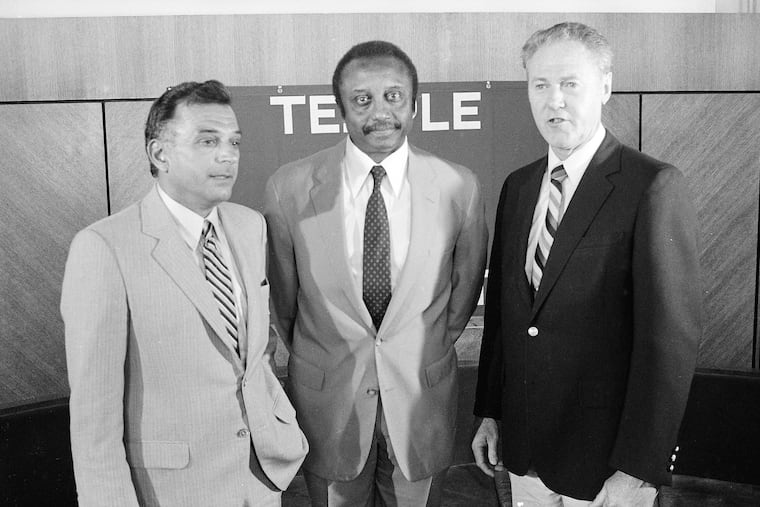
John Chaney (center), named head basketball coach at Temple University in 1982, talks with Temple president Peter J. Liacouras (left) and acting director of athletics Gavin White Jr. following a press conference in Philadelphia. Chaney, 50, was Temple's third basketball coach in twenty years.Read moreAP
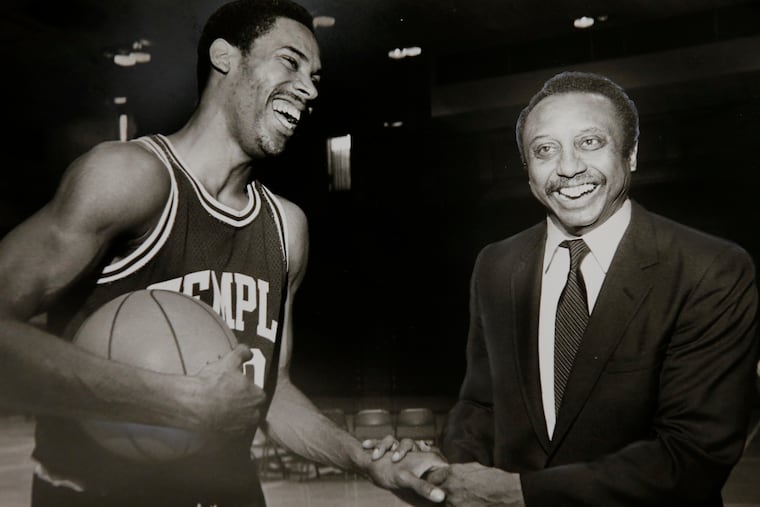
Temple Coach John Chaney and Granger Hill on November 1982.Read moreNORMAN LONO / Staff Photographer
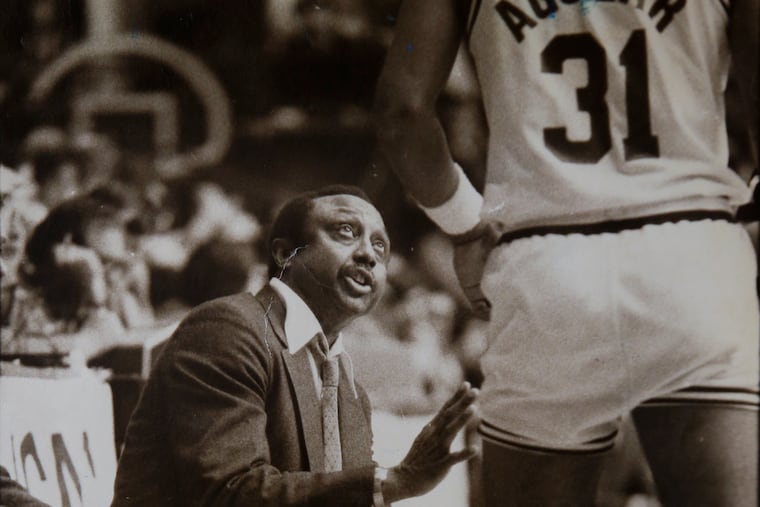
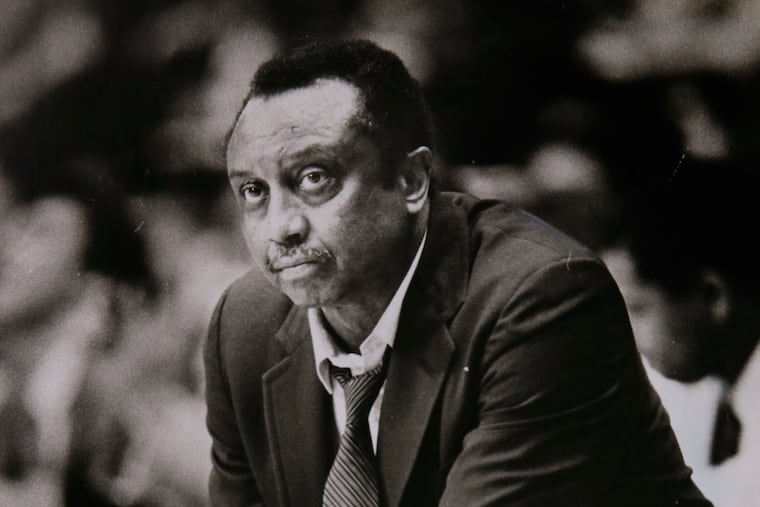
Temple Head Coach John Chaney looks up at Pete Aguilar on February 19, 1983.Read moreFILE
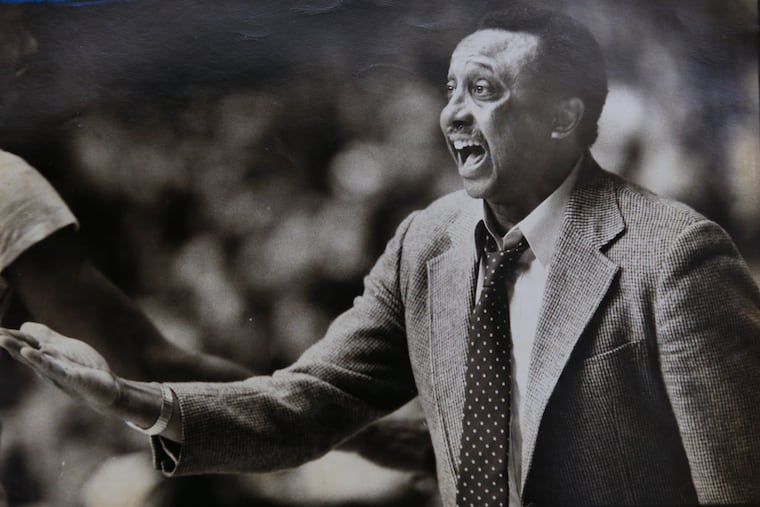
Temple Head Coach John Chaney argues with referees about call against George Washington February 15, 1984.Read moreCHUCK ISAACS / Staff Photographer
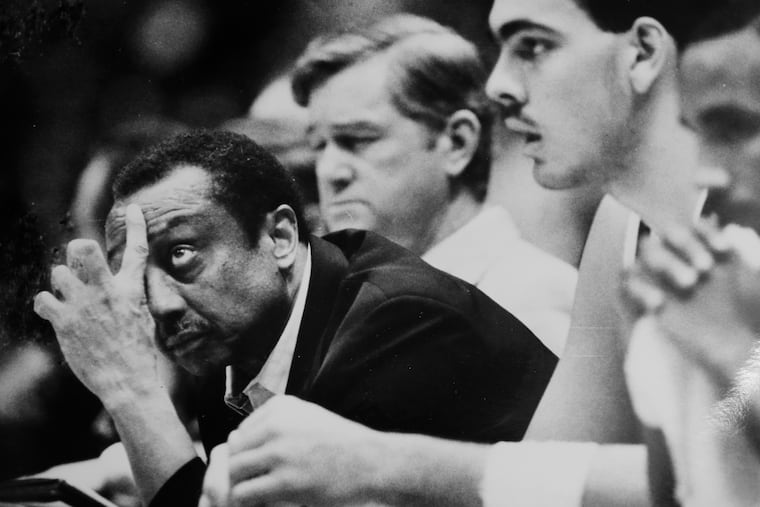
Temple Owls Coach John Chaney looks distressed with three seconds left as the Owls lose to UWV March 9, 1984.Read moreGEORGE REYNOLDS / Staff Photographer
Temple Head Coach John Chaney on the sidelines during a game against Kansas March 17, 1986.Read moreJOHN FILO / Staff Photographer
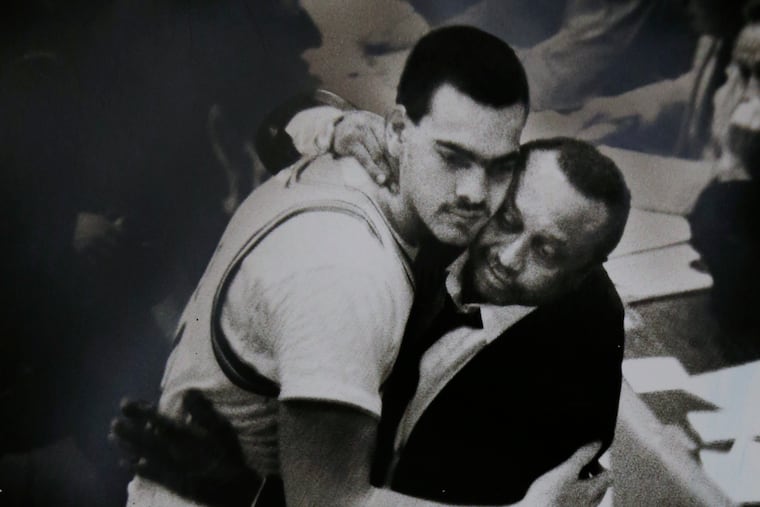
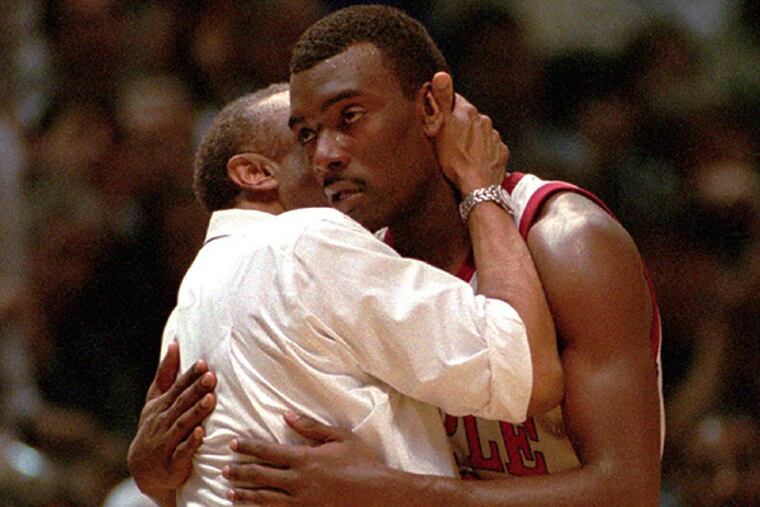
Ramon Rivas gets a hug from Coach John Chaney during the final minutes of the game March 3, 1987.Read moreGEORGE REYNOLDS / Staff Photographer
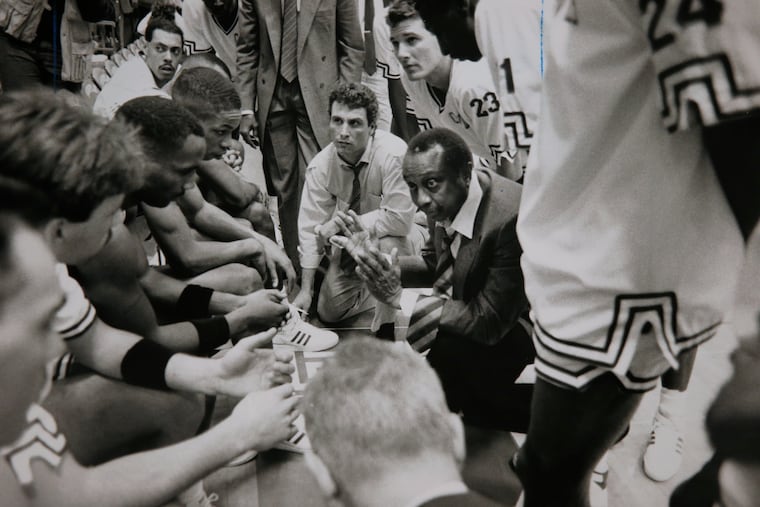
Coach John Chaney gives Temple team instructions before the start of the second half against the Greek National Basketball Team November 21, 1987.Read moreRON TARVER / Staff Photographer
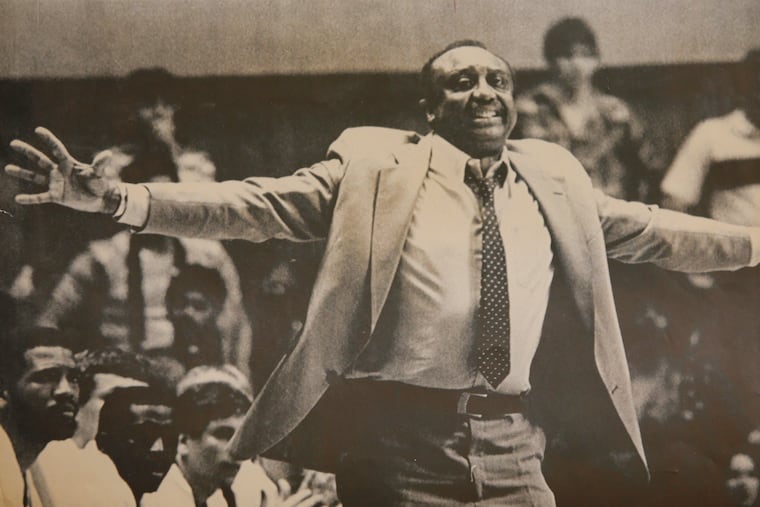
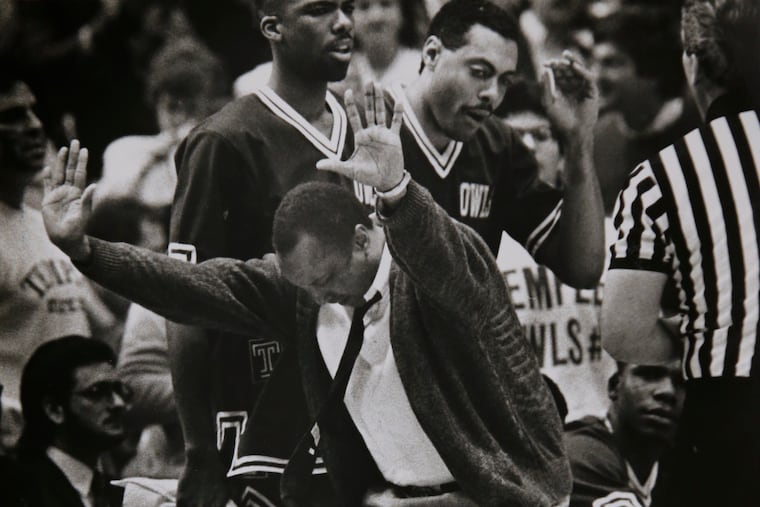
Temple Head Coach John Chaney reacts to a foul during a game against North Carolina on February 21, 1988.Read moreJERRY LODRIGUSS / Staff Photographer
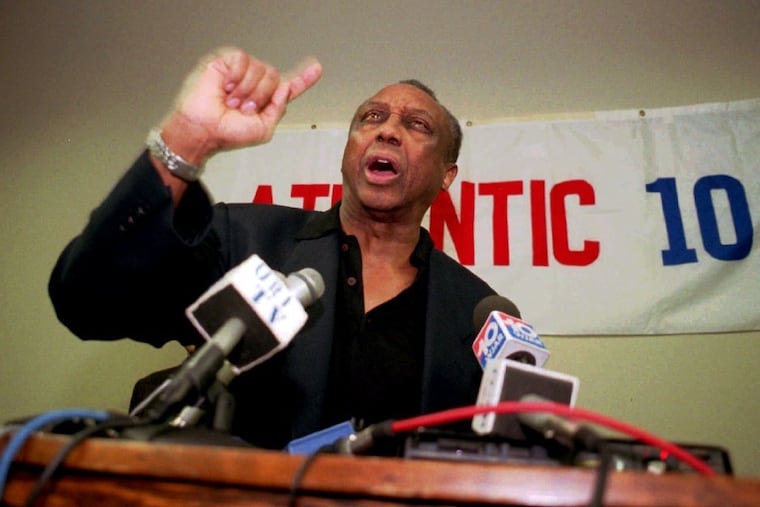
Temple Owls Coach John Chaney speaks to the media October 17, 1988.Read moreG. LOIE GROSSMANN / Staff Photographer
Temple basketball coach John Chaney and Ramon Rivas watch the final seconds tick away as Temple lost to West Virginia December 6, 1988.Read moreFile photograph
Temple Owl's Coach John Chaney gives a bittersweet congratulations to MVP T. Stansbury.Read moreFile photograph
Temple Coach John Chaney against Rhode Island on January 24, 1990.Read moreBOB LARAMIE / Staff Photographer
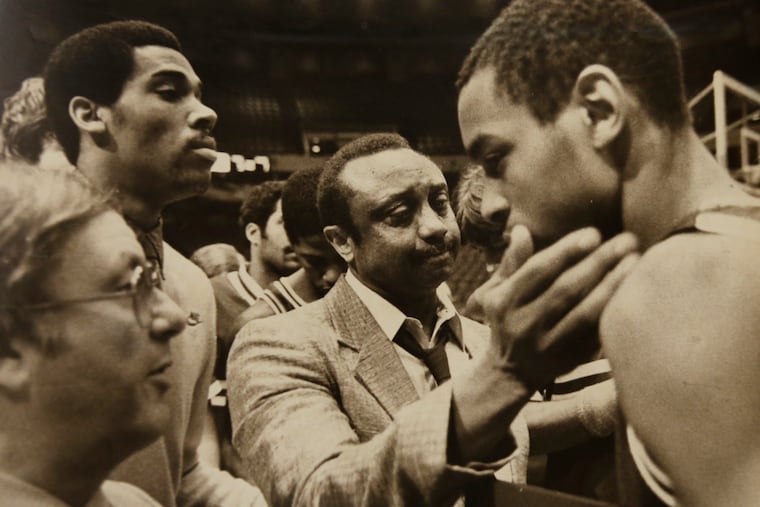
Temple Owls Coach John Chaney wipes the tears from his eyes after greeting Mark Macon February 28, 1991.Read moreGEORGE REYNOLDS / Staff Photographer
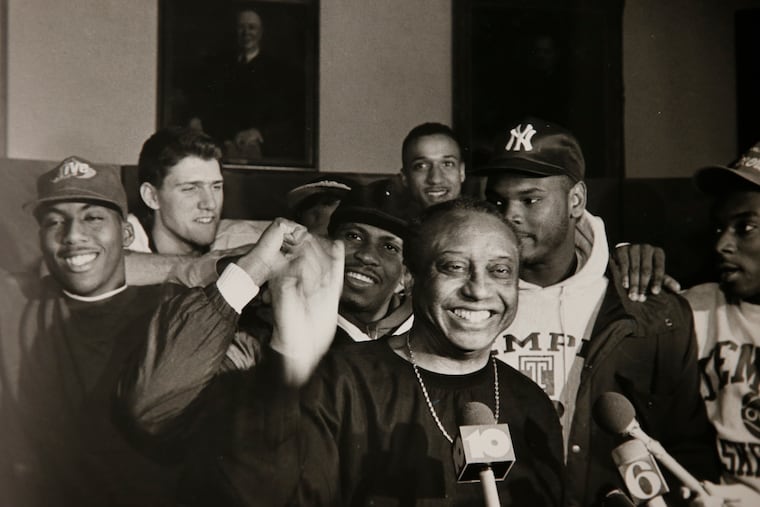
Temple Head Coach John Chaney and his players smile after finding out about the NCAA championships on March 15, 1991.Read moreRON TARVER / Staff Photographer
Aaron McKie with former Temple coach John Chaney during the Owls' 1994 NCAA tournament game against Indiana.Read moreFile photograph
Temple men's basketball coach John Chaney speaks at a news conference in Kingston, RI, in 1994. Chaney threatened UMass coach John Calipari during a postgame confrontation following Temple's 56-55 loss. Temple president Peter J. Liacouras suspended Chaney for one game.Read moreAP
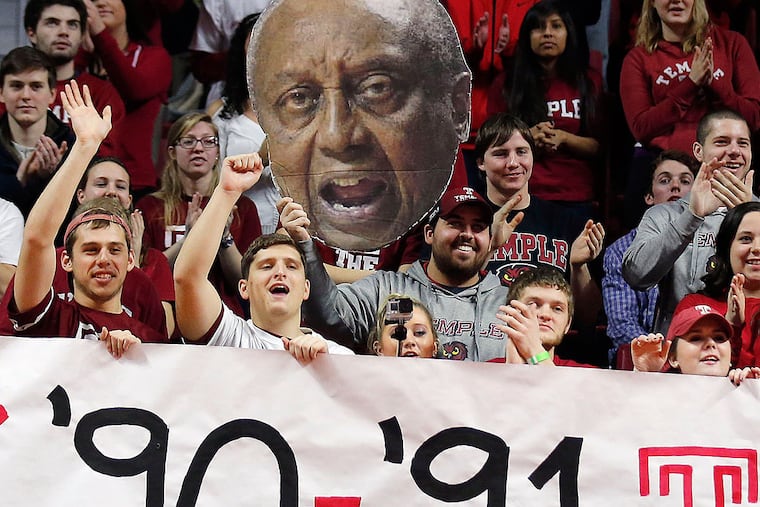
Fans honor the 1990-91 Elite Eight men's basketball team with a large
photograph of former Temple Head Coach John Chaney.Read moreYong Kim / Staff Photographer
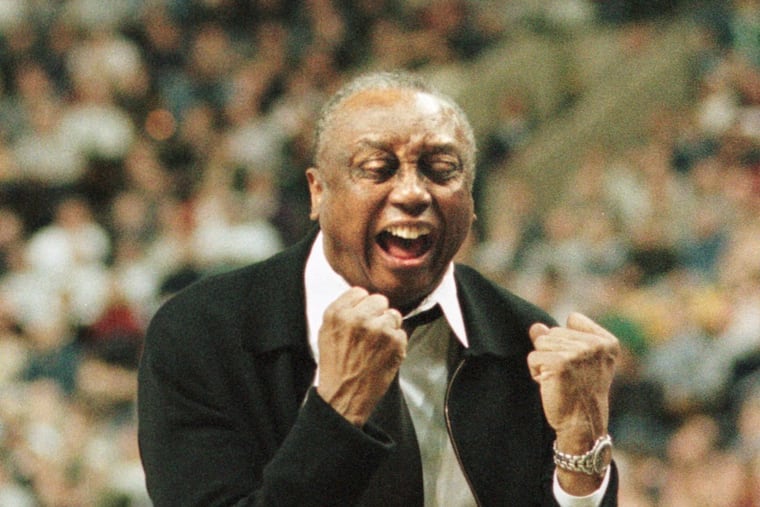
Owls head coach John Chaney emotes on the sideline during Temple's victory over Cincinnati during the second round of the 1999 NCAA Championship in Boston.Read moreFile photograph
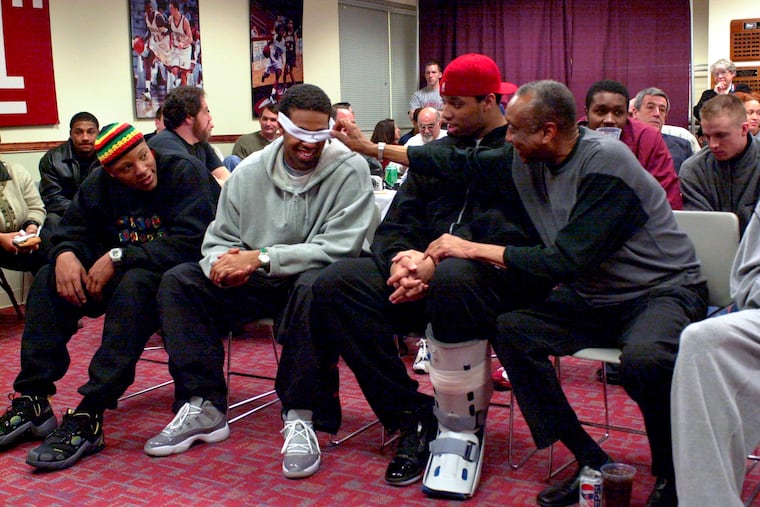
Temple head coach John Chaney kiddingly pulls down Quincy Wadley's sweatband over his eye during a break in the NCAA tournament seedings announcements while Temple waited to hear they would play Texas in New Orleans in the first round of the Southeast regionals in 2001.Read moreFile photograph
Temple students with a cutout of Coach John Chaney, at the 2001 South Regionals of the NCAA Tournament at the Georgia Dome in Atlanta. Temple lost to Michigan State in Chaney’s final trip to the Elite Eight with Temple.Read moreCHARLES FOX / Staff Photographer / CHARLES FOX / Staff Photographer
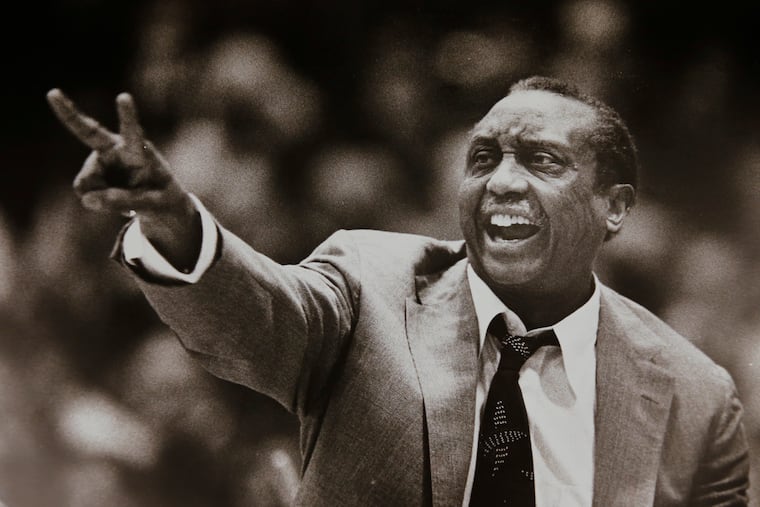
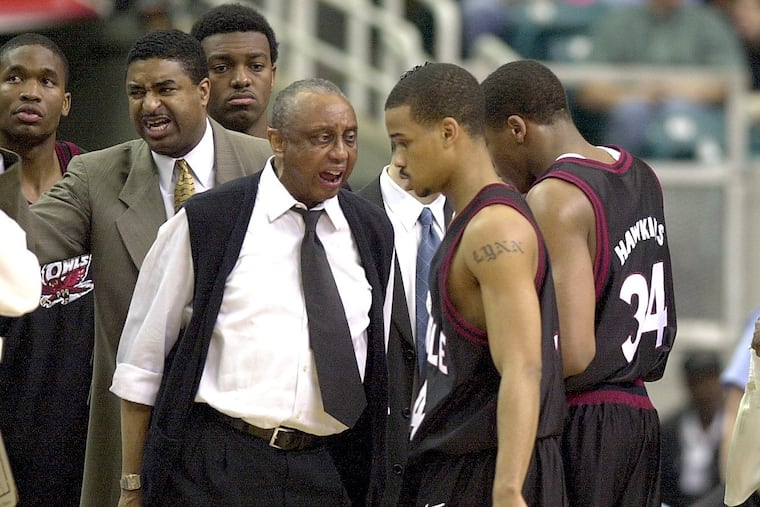
Temple's head coach John Chaney (left) calls on his players during the 2001 NCAA basketball tournament.Read moreCharles Fox / Staff Photographer
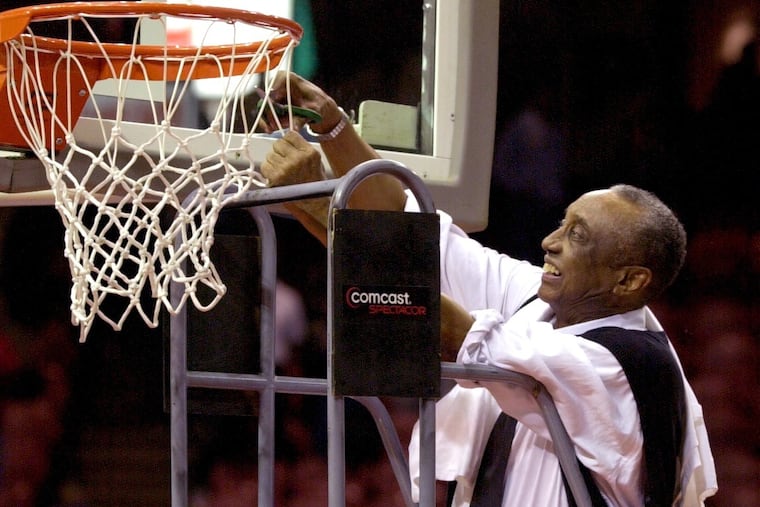
Temple Coach John Chaney cuts down the net after winning the 2001 Atlantic 10 Championship.Read moreCharles Fox / File photograph
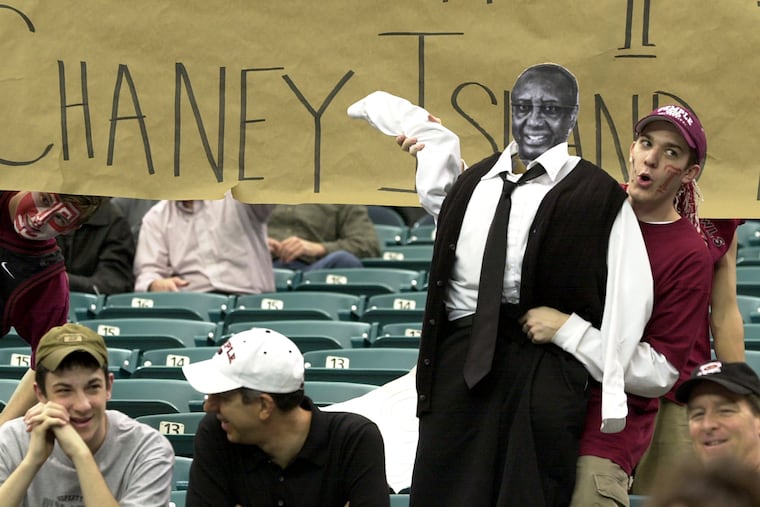
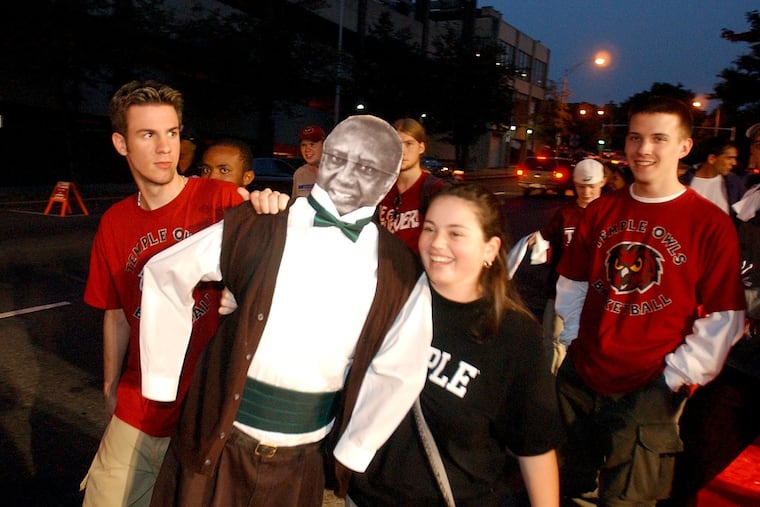
Temple students T.J. Octavio (L) and Jen Cubbage (C), carry a cutout of Coach John Chaney down the street outside the Springfield Civic Center on the evening Chaney was inducted in the Basketball Hall of Fame.Read moreINQ FOX
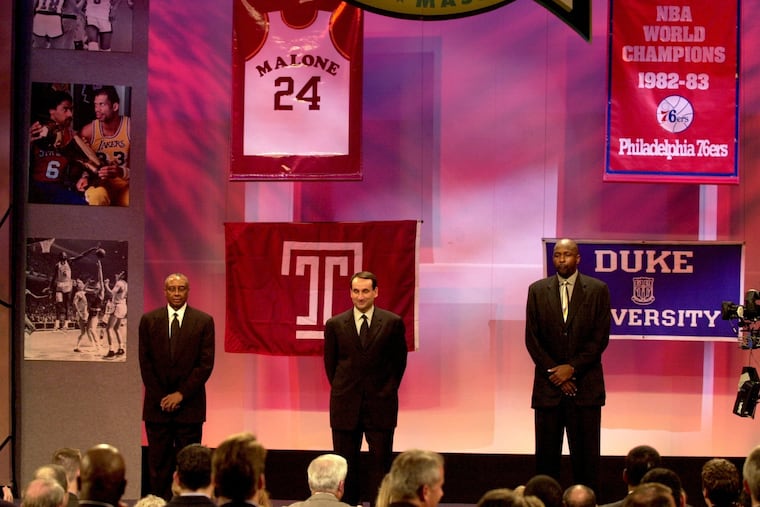
The Basketball Hall of Fame class of 2001 is introduced at the start of the enshrinement ceremony for Temple Coach John Chaney, Duke Coach Mike Krzyzewski, and Moses Malone.Read moreCharles Fox / File photograph
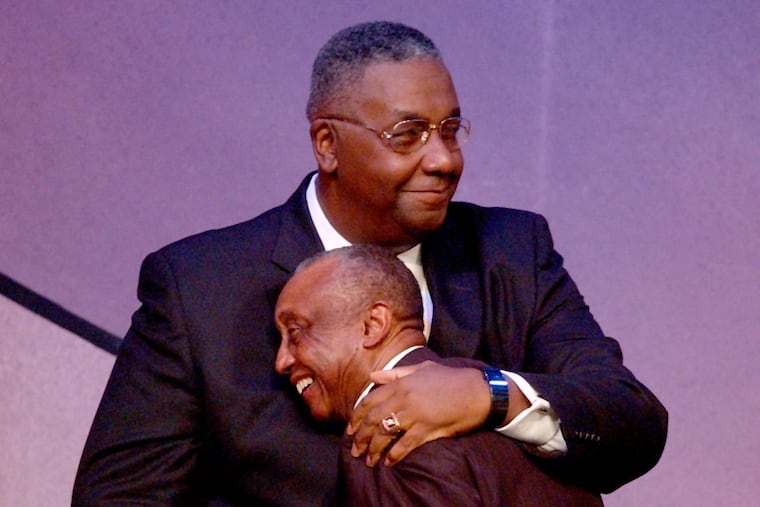
Temple Coach John Chaney (bottom) embraces former Georgetown Coach John Thompson (top) after Thompson presented Chaney for induction to the Basketball Hall of Fame.Read moreCharles Fox / File photograph
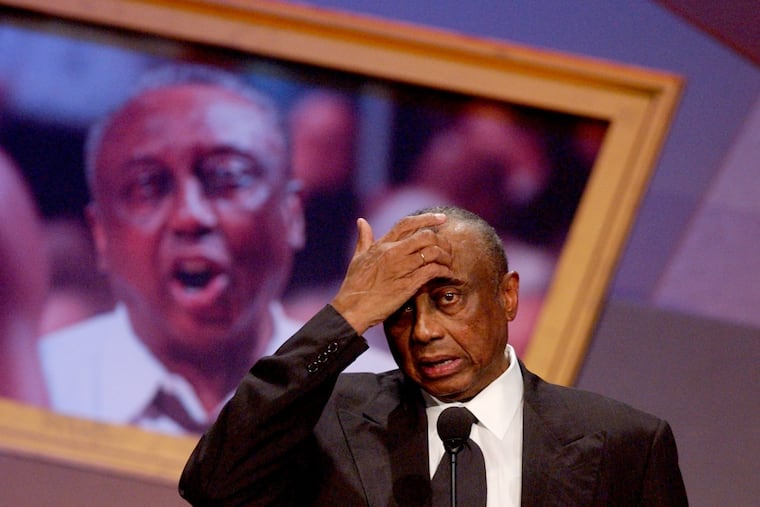
Temple Coach John Chaney, funny at times emotional at others, addresses the crowd during his induction to the Basketball Hall of Fame. Chaney, Moses Malone, and Duke Coach Mike Krzyzewski were inducted in 2001.Read moreCharles Fox / File photograph
John Chaney of Temple, right, with John Calipari of Memphis before a 2002 NIT Tournament semifinal game.Read moreCharles Fox / CHARLES FOX / Staff Photographer
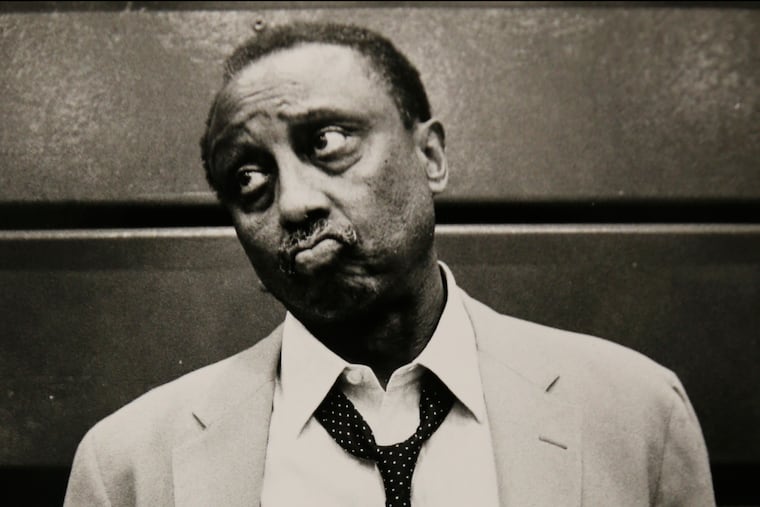
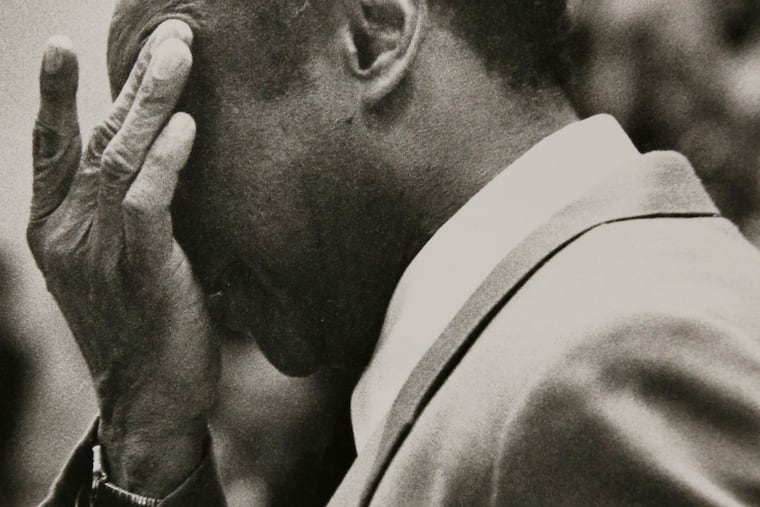
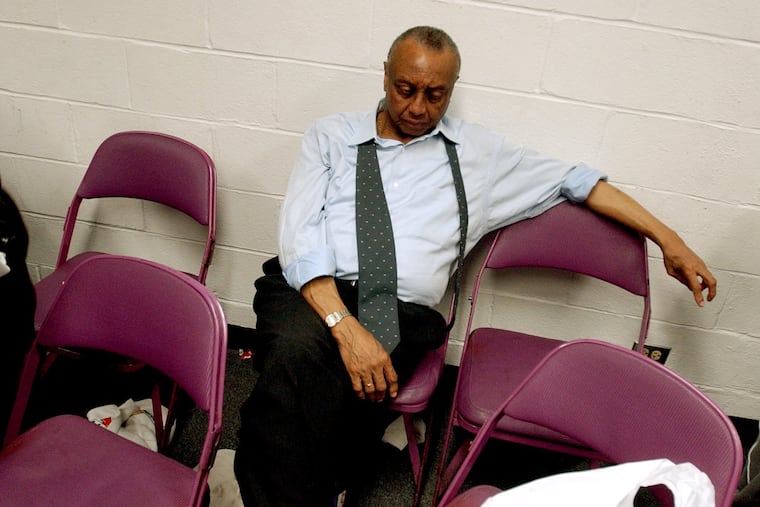
Temple's Head Coach John Chaney sits dejected in the locker room following their 78-77 loss to memphis in the 2002 NIT semi-finals.Read moreCharles Fox / CHARLES FOX / Staff File Photo
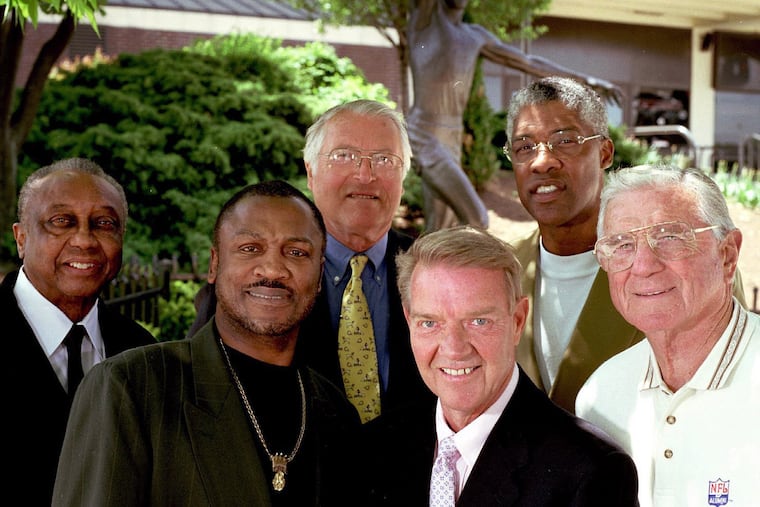
In this 2003 file photo, Philadelphia sports legends, from left/front, John Chaney, Joe Frazier, Tom Gola, Harry Kalas, Julius Erving, and Chuck Bednarik pose for a photo.Read moreAlejandro A. Alvarez / File photograph
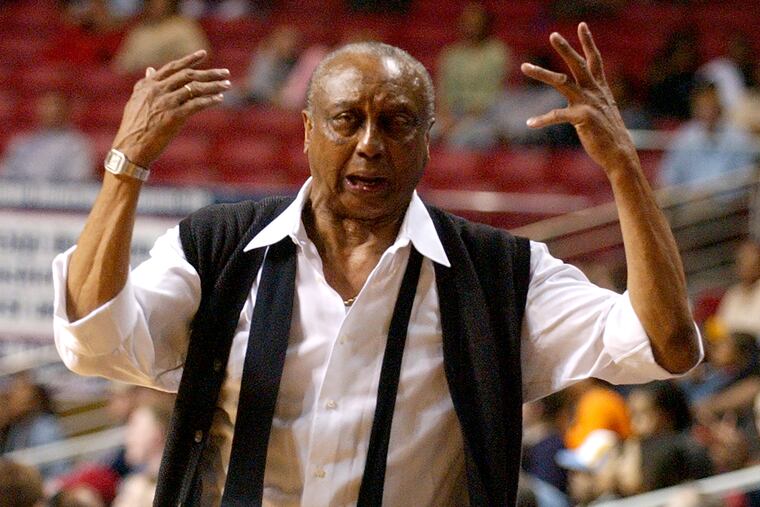
John Chaney, former Temple Basketball Coach, is shown during a 2004 game against UMass.Read moreCharles Fox / CHARLES FOX / Staff File Photo
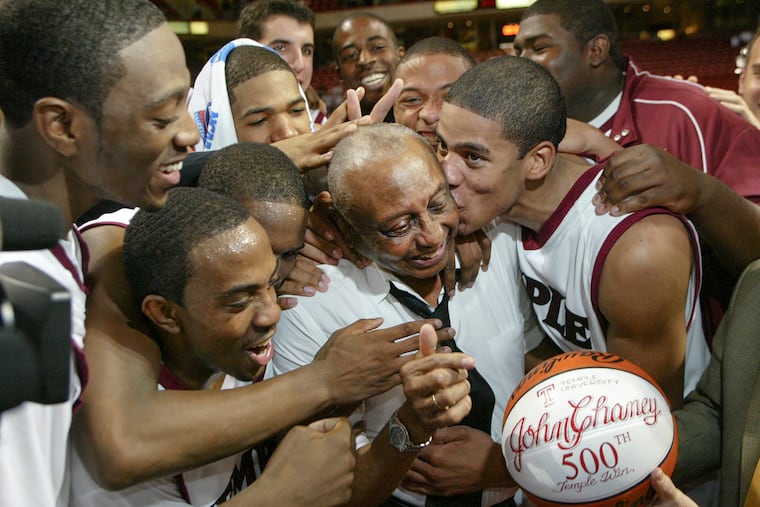
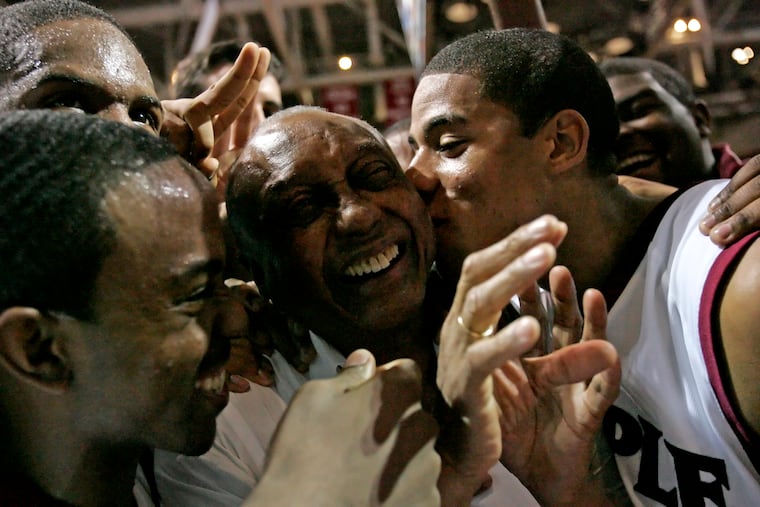
Temple hosts Army game action at the Liacouras Center on North Broad Street. Temple head coach John Chaney gets his 500th win with the Owls hugs by his team members and a kiss from Mark Tyndale.Read moreSteven M. Falk / File Photograph
Temple basketball player Mark Tyndale giving his coach John Chaney a kiss while everyone celebrates coach Chaney's 500th win with his team in 2005.Read moreFile photograph
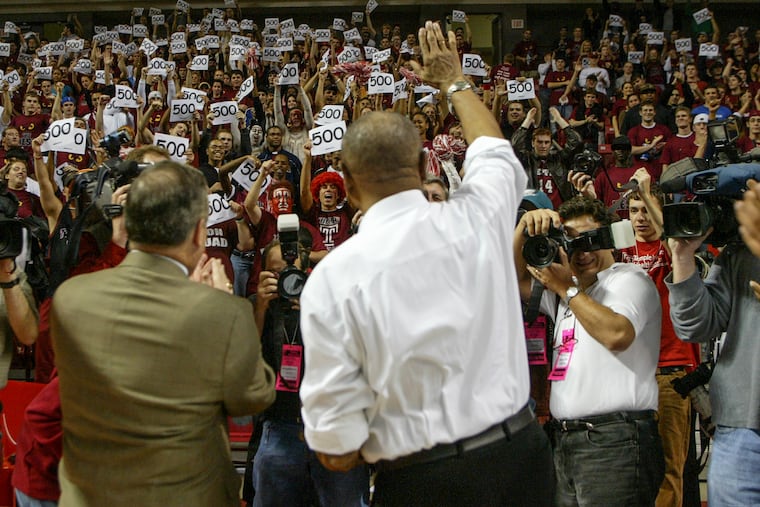
Chaney waves to the fans after his 500th win, beating Army, 69-37.Read moreSteven M. Falk / File photograph
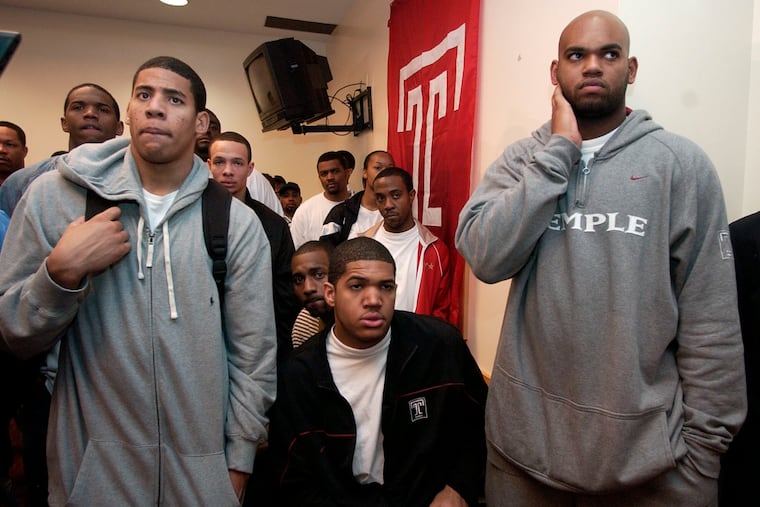
Temple basketball players Mark Tyndale, Dustin Salisbery, and Nehemiah Ingram listen as Basketball Coach John Chaney announces he will retire.Read moreCharles Fox / File photograph
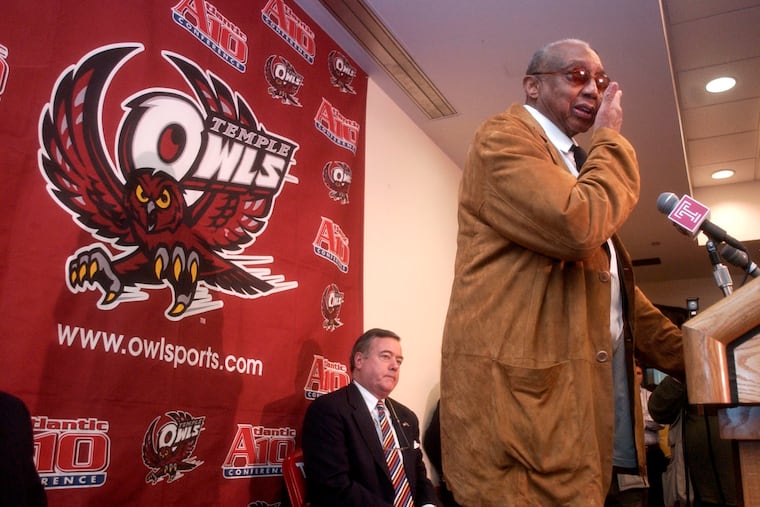
Legendary Temple Basketball Coach John Chaney wipes away a tear as he announces he will retire after 24 years at Temple University in 2006.Read moreCharles Fox / Staff file photo
John Chaney listens to tributes during A press conference Mar. 13, 2006 as he announces he is retiring after 24 seasons as Temple's basketball coach, ending a Hall of Fame career.Read more
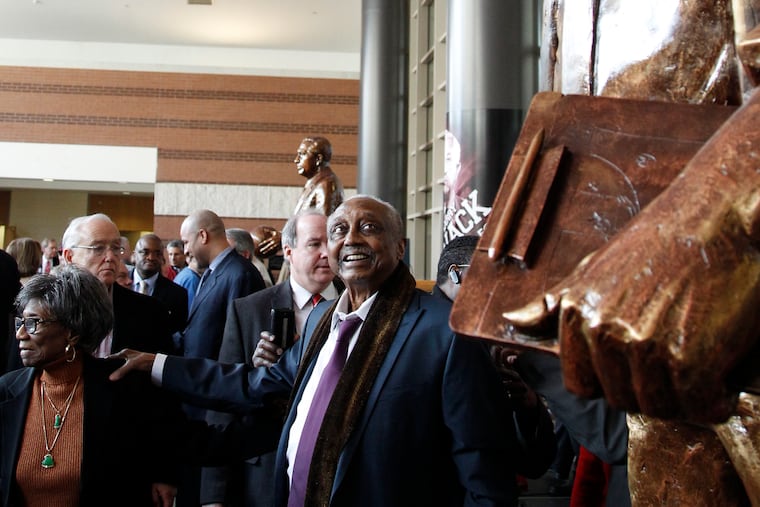
John Chaney checks out a statue of himself with one of Harry Litwack in background. Dedication of statues honoring legendary coaches John Chaney and Harry Litwack took place before the Villanova-Temple men's basketball game at the Liacouras Center in 2014.Read moreRon Cortes / Staff photographer
Former Temple coach John Chaney speaks with coach Herb Magee of Philadelphia University at the Big Five Hall of Fame luncheon and induction ceremony, which was held at the Palestra.Read moreAlejandro A. Alvarez
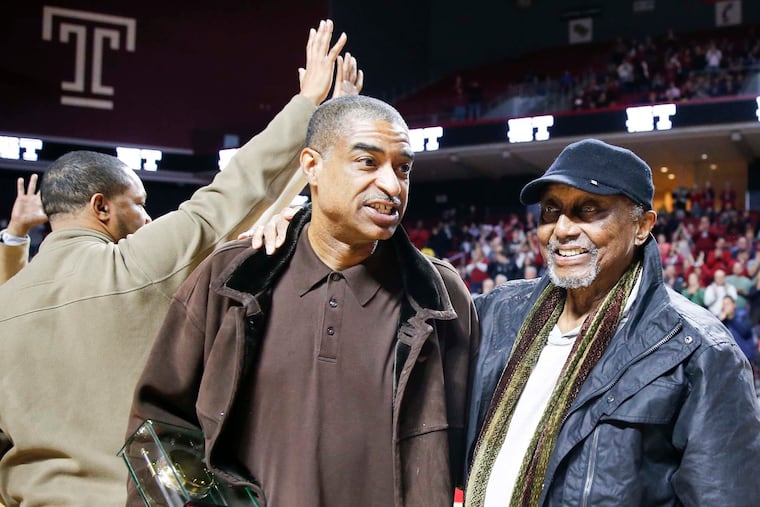
Former Temple Head Coach John Chaney with former player Nate Blackwell in 2016.Read moreYong Kim / Staff photographer
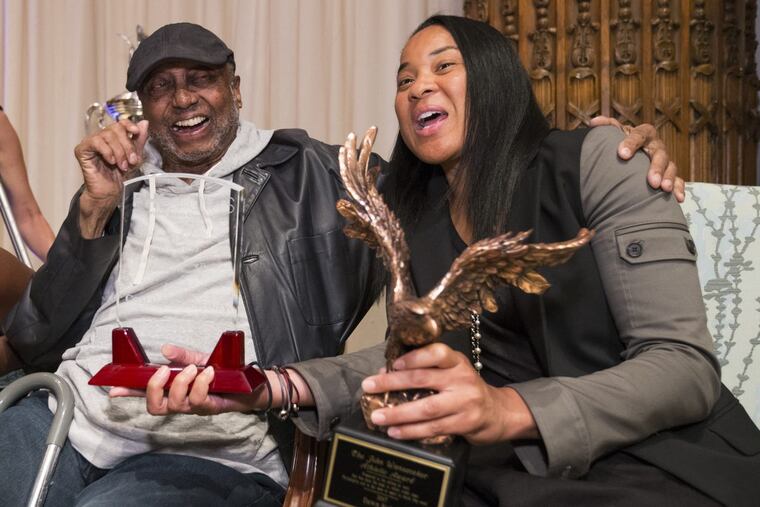
Basketball Hall of Fame player and coach Dawn Staley was given the 2017 John Wanamaker Athletic Award for the third time. Hall of Fame coach John Chaney was honored with a lifetime achievement award.Read moreCharles Fox / File Photograph
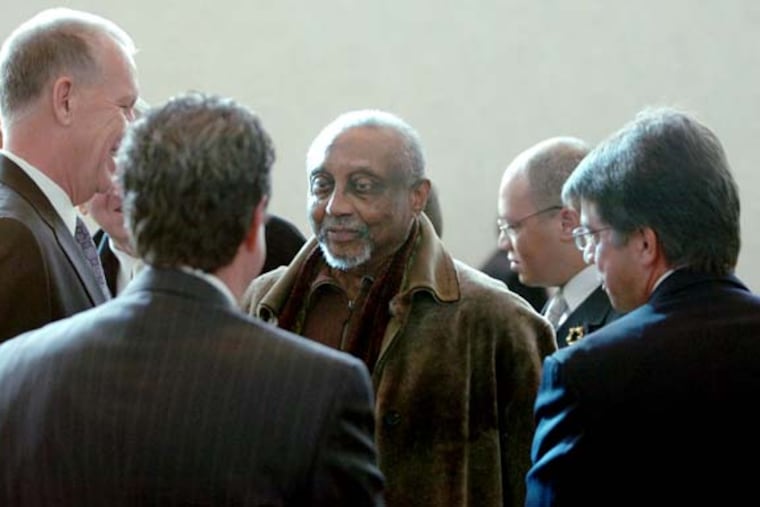
Former Temple basketball coach John Chaney talks with Sixers coach Doug Collins prior to Phil Jasner's funeral.Read moreFile photograph
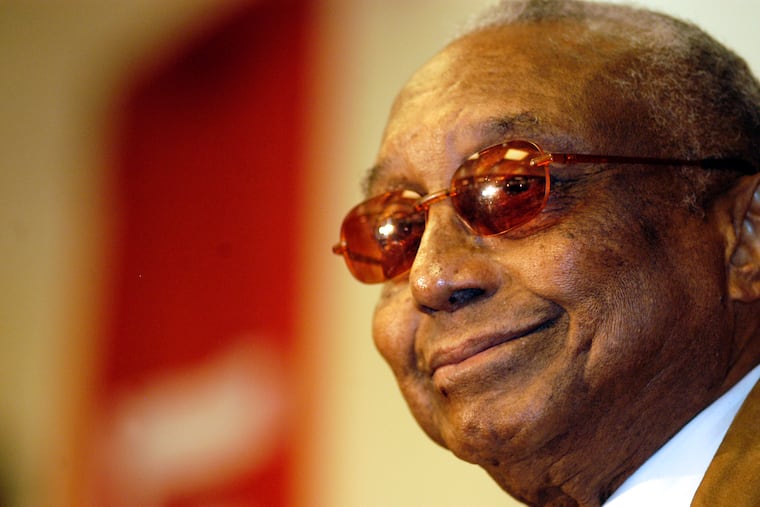
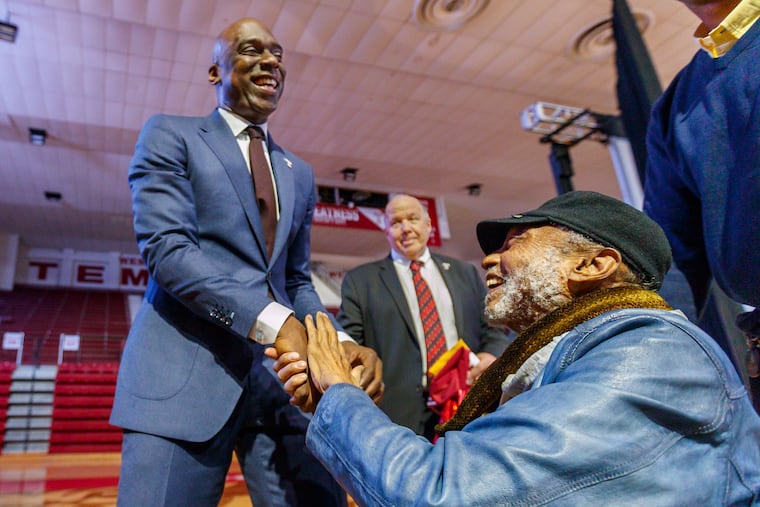
Aaron McKie (left) who was officially introduced as Temple's new men's basketball coach, shares a moment with his old coach, John Chaney (right) after the ceremony on April 2, 2019.Read moreMICHAEL BRYANT / Staff Photographer
This sort of figure was incredibly important to the Black community in America. John Chaney was a success story, with his nose clean, his dignity intact, his character unassailable. There weren’t many like him; at least, not many so visible. Ever. Jackie Robinson. Bill Russell. Julius Erving. Maybe Magic Johnson. Others, surely, whom I’m forgetting. There are more now, because of men like Chaney, whose life was led in a spotlight and a time for which he was uniquely suited.
The exploding industry of men’s college basketball featured only a handful of Black coaches, and even fewer successful Black coaches, and even fewer Black coaches who got exposure. It is indescribable, the impact to young Black players and aspiring coaches, to see Chaney, lank and bowed and disheveled, tromping the same sidelines at Temple with the same unbridled fire as lank, bowed, disheveled Jim Boeheim. It was one of the few industries in which the glass ceiling had been shattered.
And Chaney was on TV. On ESPN. Part of March Madness. An annual fixture on Comcast SportsNet on Christmas Eve, the high point of the year’s episodes of Daily News Live. He was right there, showing three generations of people who looked like him that they could do what he had done.
Chaney, by the mid-1990s, had endured a lifetime of endless, senseless discrimination, just like my mother; they were born the same year, and both in the South, he in Jacksonville, Fla., she in rural North Carolina. The Ku Klux Klan once burned a cross in his family’s yard. My mother -- she won’t even tell me all that she’s been through. Somehow, she remains with us. They were made from the same mold.
He was born two years after my father, who, like Chaney, got his start at a historically Black college. My dad is gone, but one of his proudest accomplishments was that he attended North Carolina A&T. Chaney played at Bethune-Cookman in Daytona Beach, Fla., then coached at Cheyney State, on the border of Chester County, where his family moved when he was in eighth grade.
This was the climate of college basketball back then: Chaney left Bethune-Cookman in 1955, six years before Loyola of Chicago shattered the longstanding quota system and played more than three Black players at once. That was 1961. The first Black head coach of a major college team wouldn’t be hired until 1967 -- John McLendon, at Cleveland State. It took three more years before Illinois State hired the second, Will Robinson.
This was the world in which Chaney always lived. Chaney made it his life’s work to create opportunities for young Black men. This was the root of his scorn for Proposition 48, an academic watermark whose biased, draconian nature were modified thanks partly to Chaney’s outrage and protests. But make no mistake: He wanted his players to achieve.
He insisted that his players prioritize discipline, and selflessness, and teamwork. He never made it to a Final Four, but he was a stone-cold winner.
Current Temple coach Aaron McKie says Chaney “changed my life” in a tweet sent Jan. 21, Chaney’s final birthday.
South Carolina women’s coach and Dobbins Tech graduate Dawn Staley tweeted: “Giver to the voiceless, the underprivileged, (and) the game ... "
I’m deeply saddened by the passing of someone I hold dear to my heart. He has done so many great things with his life but giver is amongst the top. Giver to the voiceless, underprivileged, the game, to his peeps....I happened to be one of them. Coach Chaney God be with you! ❤️u!
Kentucky coach John Calipari, perhaps Chaney’s most bitter foe on the court, grew to adore the coach. Chaney famously interrupted Calipari’s postgame press conference after a 1994 game against the University of Massachusetts, where Calipari coached then, and threatened to kill Calipari, among other things. Calipari tweeted Friday:
“Coach Chaney and I fought every game we competed -- as everyone knows, sometimes literally -- but in the end he was my friend.”
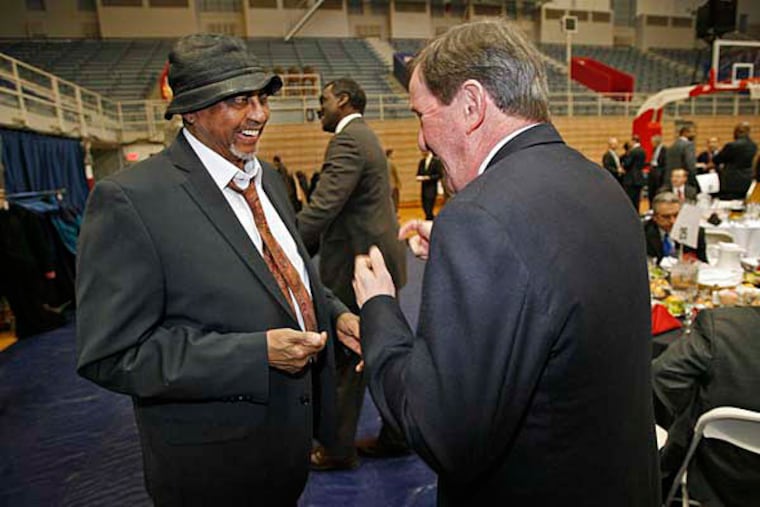
Coach Chaney and I fought every game we competed – as everyone knows, sometimes literally – but in the end he was my friend. Throughout my career, we would talk about basketball and life. I will miss those talks and I will my friend. Rest in peace, Coach! pic.twitter.com/0JGcQ7JPOO
To be in John Chaney’s presence, especially at the height of his outrage and passion, was to be in the presence of animate authenticity. To experience John Chaney talking about citizenship, and accountability, and teamwork, was to hear an oracle’s sermon. To watch John Chaney work on a sideline was to watch a master at an easel; a conductor on his rostrum.
I’ve been lucky enough to cover Jordan and Tiger and Nicklaus; Belichick and Bonds and Tom bleepin’ Brady. John Chaney is the only one who intimidated me.
And he’s the only sports figure that I’ve ever called “Coach.”