Here are the Philly ties to the new basketball gambling scandal
Prosecutors said bettors placed huge wagers at Rivers Casino in Fishtown, and that one fixer paid a bribe to a player at Philadelphia International Airport.
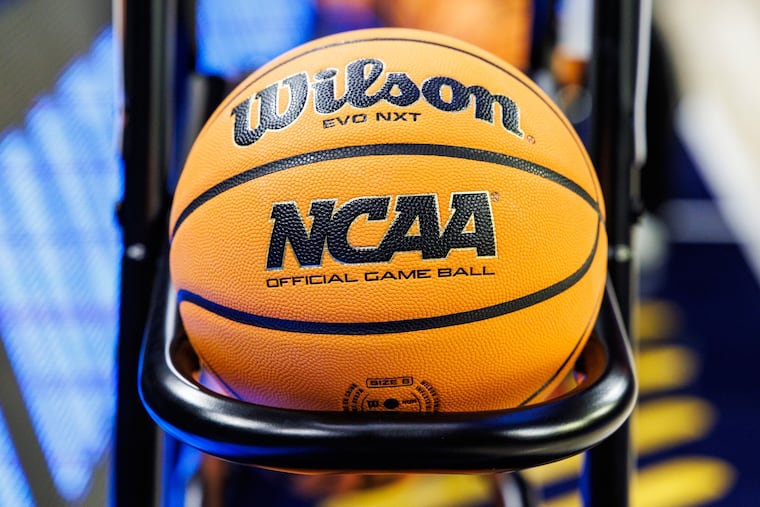
Philadelphia had a moment in the global spotlight this week as the U.S. Attorney’s Office said it had charged 26 people — including 20 basketball players — with participating in a wide-ranging, international scheme to rig games on behalf of gamblers.
U.S. Attorney David Metcalf said bettors bribed players on teams in the Chinese professional league, as well as in NCAA games from Texas to New York.
So why was the case charged here? And what role did Philadelphia play in the allegations?
Below are three takeaways about the local ties of the sprawling investigation — the latest high-profile case to target alleged corruption in sports.
Why was the case charged in Philadelphia?
Federal prosecutors have wide latitude to pursue criminal investigations as long as some aspect of the alleged wrongdoing took place in their jurisdiction, and if a suspect’s actions could be considered a violation of federal law.
In this case, prosecutors have alleged that the bets and payoffs that impacted games amounted to a criminal conspiracy between the so-called fixers and players, and also that the actions violated federal bribery and wire-fraud laws.
In addition, the indictment contends one of the key organizers of the point-shaving scheme — professional gambler Shane Hennen — lived partially in Philadelphia at the time of his alleged crimes.
And even though most of the games he gambled on took place elsewhere, Hennen is accused of placing huge bets at Rivers Casino’s sportsbook in Fishtown. One of the wagers was a $198,300 bet against a Chinese team called the Jiangsu Dragons, court documents say. Hennen had allegedly recruited one of the Dragons’ best players, Antonio Blakeney, to play poorly in exchange for bribes.
(A spokesperson for Rivers Casino declined this week to comment on the case and did not respond to questions about why Hennen was allowed to place such large wagers on relatively obscure games.)
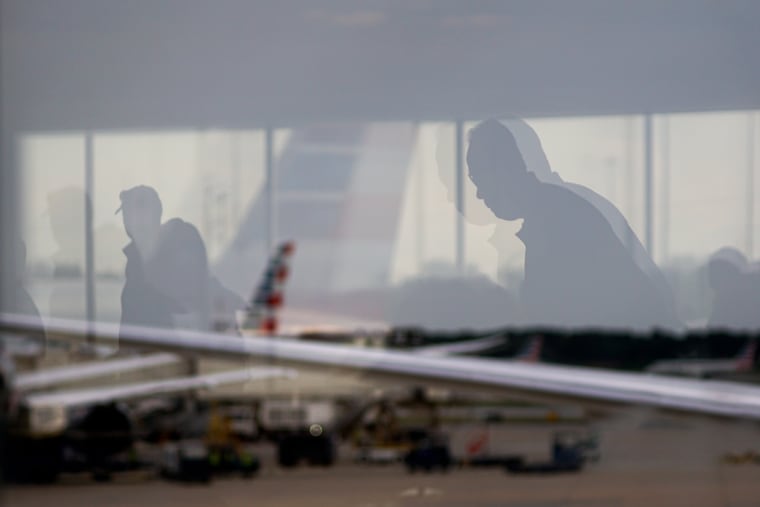
The indictment says several other crimes took place in Philadelphia as well, including Jalen Smith — a basketball trainer and alleged organizer of the scheme — traveling to the Philadelphia International Airport to pay an unnamed player his bribe money.
Were any Philadelphia schools part of the scheme?
The indictment paints a limited portrait of connections between the point-shaving operation and Philadelphia schools or universities.
In one of the more detailed local episodes in the document, prosecutors said Smith and Blakeney in 2024 attempted to recruit players from the La Salle men’s basketball team to take bribes and underperform in a game against St. Bonaventure.
Hennen and a codefendant apparently thought the plan had succeeded — the indictment said they went on to place nearly $250,000 in bets on St. Bonaventure for that game.
But none of the bets won, prosecutors said. And no La Salle players were named or accused of accepting the bribes in relation to the contest.
A La Salle spokesperson said in a statement this week that it was aware of the allegations in the case, adding: “Neither the university, current student-athletes, or staff are subjects of the indictment. We will fully cooperate as needed with officials and investigations.”
What about any Philadelphia-based players?
The role of Philadelphia-based players was similarly limited.
While several players accused of participating in the scheme spent time in the area, none was accused of accepting bribes while playing for a Philadelphia-based school.
Former Temple University forward Elijah Gray, for example — who played for the Owls in the 2024-2025 season — participated in the scheme the year before, while he was playing at Fordham. Prosecutors said he was offered $10,000 to $15,000 to underperform on the court, and said he later recruited a teammate to participate in the point-shaving operation as well.
Gray left Temple and transferred this academic year to the University of Wisconsin, but he was dismissed from the team in the fall over what the program said were “events preceding his enrollment.” He has pleaded guilty to one count of bribery, court records show, and is scheduled to be sentenced in March.
Micawber “Mac” Etienne — who played for La Salle last year — was also bribed before he came to Philadelphia. Fixers approached Etienne in 2024, prosecutors said, while he was playing at DePaul. He agreed to help throw games, prosecutors said, which led Smith to give him and three teammates $40,000 in cash.
Etienne has also pleaded guilty to a bribery count, court records show, and is scheduled to be sentenced in April.
One current Philadelphia-based player is facing charges: C.J. Hines, a guard who transferred to Temple this year. But prosecutors said he took bribes in 2024, when he was playing at Alabama State.
Hines has been charged by information, which typically indicates a defendant intends to plead guilty.
A Temple spokesperson said the university had “previously received notice from the NCAA that Hines had potential eligibility concerns, and for that reason, he has not participated in any athletic competition since enrolling at Temple.”
What happens now?
The prosecutions will now proceed through Philadelphia’s federal courthouse in Center City.
Some defendants — such as Gray, Etienne, and Hines — will likely have their cases wrapped up relatively quickly, as they’ve already pleaded guilty or indicated an intent to do so.
Hennen has not yet entered a formal plea in the case, according to court records. If he or any other defendants plans to take the case to trial, it could be many months before the case is put before a jury.
Staff writer Isabella DiAmore contributed to this article.