Pittsburgh school board votes to close nine schools, 12 other facilities
The controversial move came weeks after the Philadelphia School Board moved to close 17 schools over the strong objections of City Council.
Pittsburgh’s school board voted Wednesday to close nine schools, shut 12 other facilities, and reconfigure many other buildings — a controversial move it says will save hundreds of millions and maximize educational opportunities for students.
The controversial vote came just weeks after the Philadelphia school board moved to close 17 schools over the strong objections of City Council.
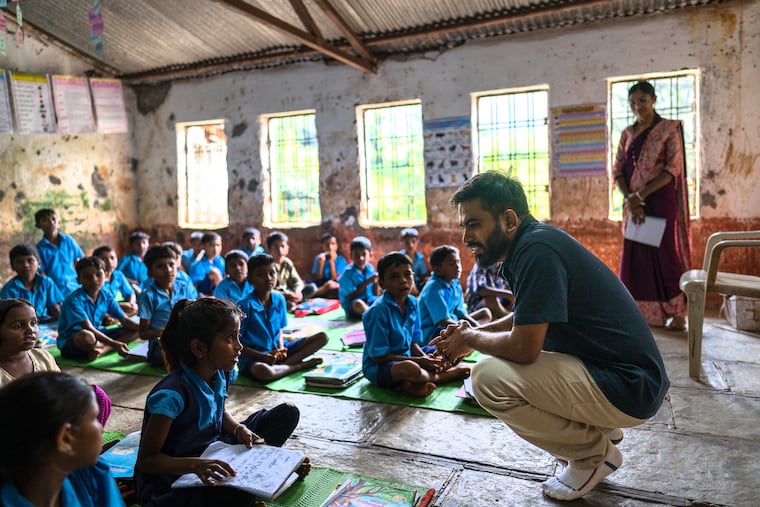
Though Pittsburgh is Pennsylvania’s second-largest district, its 19,500 students are a fraction of Philadelphia’s 114,000. Still, the urban districts cope with many of the same issues: old buildings, a shrinking core of students enrolling in traditional public schools, competition from charters, and shaky finances.
Philadelphia has 70,000 empty seats in its school buildings; Pittsburgh, with a much smaller footprint, has more than 20,000. Pittsburgh’s average school building is 90 years old; Philadelphia’s is about 75 years old.
Officials estimate the plan will save money in the short and long terms, generating about $4 million in savings in 2027 and $8 million in 2028. Over time, the district will save $100 million in future facilities costs, allowing for $103 million in investments elsewhere, it said.
Pittsburgh officials, like Philadelphia’s, framed the plan as being much larger than closures.
Superintendent Wayne N. Walters said in a statement that Pittsburgh’s facilities plan “represents a transformational investment in the future of our schools, students, and communities. This plan is about far more than buildings. It is about creating equitable opportunities, strengthening academic experiences, and ensuring every student has access to learning environments that support student success in college, career and life.”
Major changes system-wide, and pushback
The Pittsburgh facilities plan will close 12 schools and nine facilities beginning in 2027; next year will be a planning year for those schools — similar to Philadelphia’s timeline.
It also allows for the opening of two new schools and one early childhood center, and orders grade-level and programmatic changes at many other schools, including moving gifted and credit-recovery services.
As a result of the changes, district officials said, Pittsburgh students will have more equitable opportunities, and expanded access to academics and extracurricular programs.
The process was a long time coming — Pittsburgh began planning for closures and other shifts in 2023.
The plan was met with significant pushback from the community, who voiced concerns including the closures’ disproportionate effect on Black students.
In a letter sent prior to the board’s vote, a group of city activists said that they understood change was necessary, but that they did not have confidence in the current version of Pittsburgh’s facilities plan.
“We realize that students are currently attending school in dilapidated buildings with staff shortages, limited course offerings, and a lack of holistic support,” the groups wrote in the letter. “We agree that in order for the district to operate more efficiently and effectively, buildings, human capital, and financial resources should be consolidated.”
But, they said, they need more information about how the plan will help traditionally underserved students, and the district has not relied enough on the larger Pittsburgh ecosystem to put the schools in a regional context. The activists also cited concerns about the ability of new and incoming leadership to simultaneously acclimate to Pittsburgh and execute the complicated plan.