The Philly school board voted to nonrenew a charter run by a veteran administrator
The board voted 8-0 to nonrenew Global Leadership Academy Southwest at Huey, but pulled a planned vote on Philadelphia Montessori Charter School to comply with a judge's order.
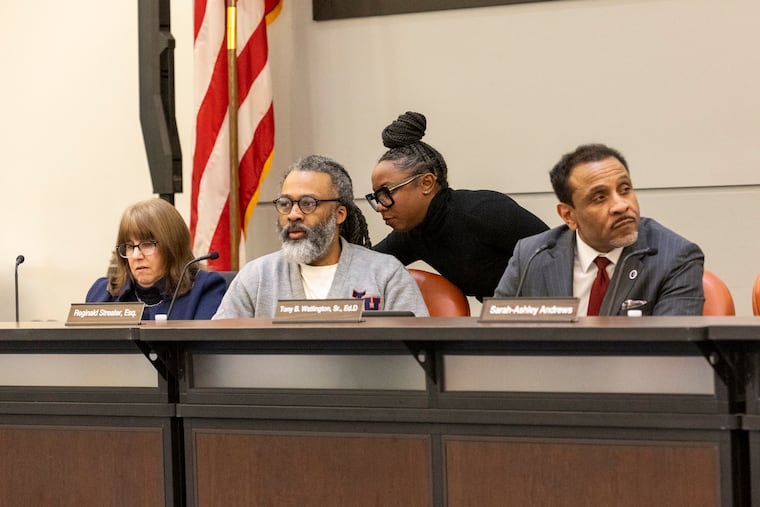
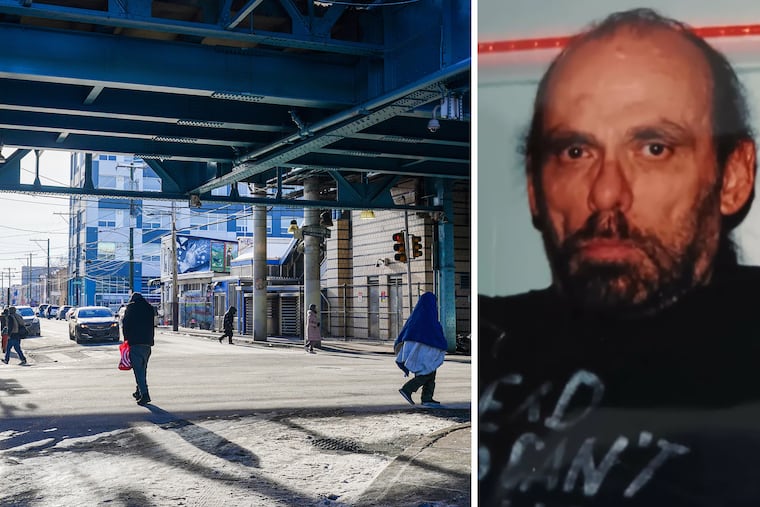
The Philadelphia School Board voted Thursday to nonrenew a charter school run by a veteran former district administrator, pointing to poor test scores and operational problems.
The board voted 8-0 to nonrenew Global Leadership Academy Southwest at Huey, a charter run by Naomi Johnson-Booker, who operates another GLA charter in West Philadelphia. Board member Whitney Jones abstained, citing personal reasons.
Charter schools are publicly funded but independently managed. In Philadelphia, about one-third of public school students attend brick-and-mortar charters.
“We have a responsibility that is clear ... to protect every child’s right, civil right, to a high-quality public education,” said the board’s president, Reginald Streater. He noted that GLA Southwest, a K-8 enrolling close to 600 students at 52nd and Pine Streets, has posted poor academic performance, with only 7% of students scoring proficient or advanced in math on the Pennsylvania System of School Assessments in 2025.
The school also has poor student attendance, and has not met district governance and financial standards, with conflicts of interest in counsel representation, insufficient cash on hand, and “questionable financial payment plans,” Streater said.
Noting GLA Southwest’s status as a Renaissance school — a former district school handed over to charter management a decade ago as part of an initiative to turn around failing schools — Streater said it was the board’s obligation “to do everything we can to create seats or incentivize seats that truly support student achievement, and as a Renaissance school, to complete the turnaround.”
The board’s vice president, Sarah-Ashley Andrews, said the fact that the charter didn’t meet academic, operational, or fiscal standards on the district’s evaluation was “a clear red flag.”
The vote doesn’t mean GLA Southwest will close, but triggers public hearings on the school’s performance.
Supporters of the charter said the school’s test scores weren’t a full reflection of its value to students and the community.
Zenobia Story, the school’s principal, said students had been improving, with proficiency on the state’s English language arts tests growing from 9.6% in 2022 to 22.4% in preliminary 2026 results.
The results tell “a story of progress, not stagnation,” and “a school community moving in the right direction,” Story said. “The response should not automatically be closure.”
Nutina Martin, the school’s director of climate and culture, said the school had inherited “significant climate and safety challenges.” But she said it had transformed since it became a charter in 2016, when there were 147 out-of-school suspensions in a single school year, Martin said. Now, she said, there were fewer than 30.
Streater said the charter’s nonrenewal hearings would give the school “an opportunity under oath with evidence” to support statements made by staff Thursday.
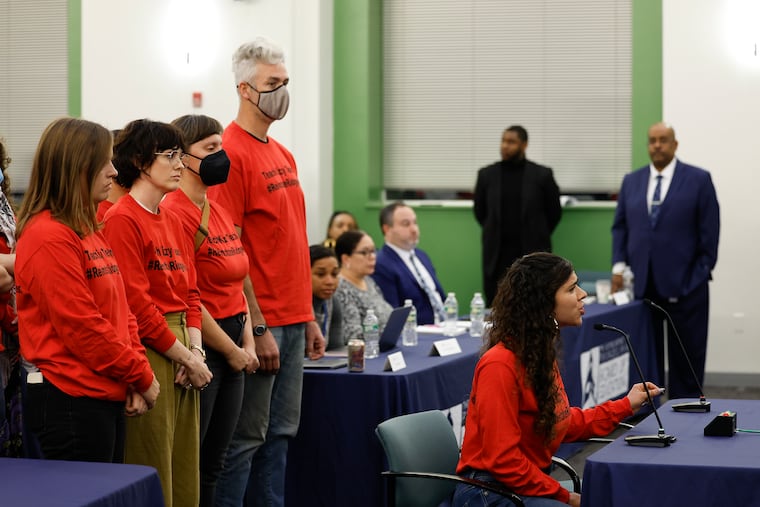
The board pulled a planned vote to nonrenew Philadelphia Montessori Charter School, in light of a Common Pleas judge’s order Wednesday to delay the vote following a lawsuit brought by the charter.
Philadelphia Montessori’s executive director, Amanda Wilson, said the board had “created needless uncertainty” for the school’s families and staff.
Streater said the board was “simply trying to do our duty, in being responsible charter school authorizers” and fiscal stewards.
Spending on SEPTA
In other business, the school board agreed to spend up to $34 million on SEPTA fare cards for students in the 2026-27 school year. Officials estimate 62,000 district, charter, and parochial school students are eligible for free fare cards — but that money is reimbursed through a state transportation subsidy.
» READ MORE: SEPTA is planning a school fare evasion crackdown — with criminal charges possible for fare evaders
SEPTA, with district cooperation, is warning students that they have to use those cards. It’s launching a crackdown on student fare evasion in the coming school year.
Transit system officials, who said they’re losing an estimated $11 million annually on students not swiping their fare cards.
Under the new fare diversion system, any student caught not swiping their card — technically a theft of service offense — will begin receiving formal warnings that will also be sent to transportation liaisons at their schools.
After a student’s third warning, they would receive a theft of service citation and court referral.
Money for technology and to fix a closing school
The board also voted to spend $4.1 million on technology — an advanced Google system officials said was “foundational to the district’s educational and operational objectives” and GoGuardian, an internet-filtering service.
The contract for both services lasts through 2029.
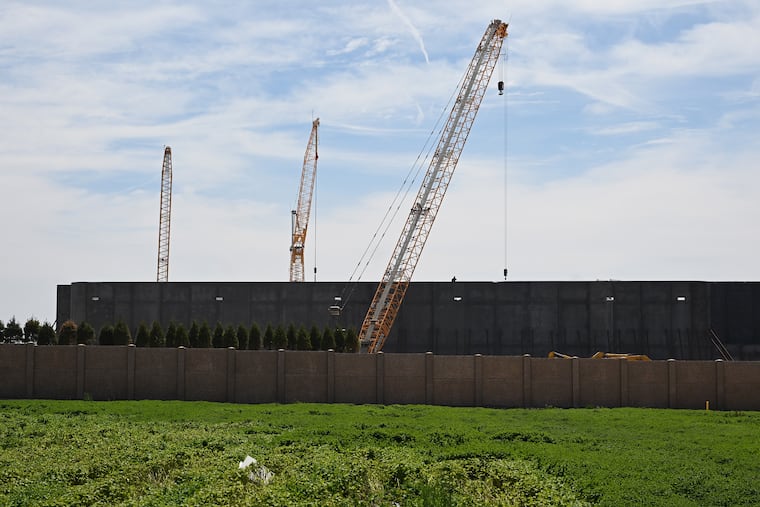
Also approved was $3.4 million worth of repairs to John B. Stetson Middle School in Kensington, one of the 17 schools the board voted earlier this year to close.
Stetson is getting a new roof and masonry repairs, work that’s necessary, according to board documents, “to preserve and protect the building’s structural integrity and long-term functionality.”
According to the facilities plan the board adopted in April, the school will begin phasing out grades, eventually closing in the 2029-30 school year. Stetson will remain in district hands, used as “swing space” — a place to house district students or programs that need a temporary spot to learn.
Members of the Stetson community fought to keep their school open, objecting to the district’s years of neglect of their building.
Some schools closed by the board are mostly empty; Stetson is about 60% full, but its building was judged to be in “unsatisfactory” condition.
Memphis Street back to the district
The board also moved to formally return a Port Richmond charter school back into its fold.
Memphis Street Academy at J.P. Jones, a former district school run by the nonprofit American Paradigm since 2012, was ordered by a judge last year to surrender its charter after a long legal battle.
The board first moved to close Memphis Street in 2022 after the school missed the mark on meeting conditions it had previously agreed to.
To make the reabsorption of the school official, the board had to vote to report “Memphis Street Middle School” to the Pennsylvania Department of Education as a new district school opening in the fall. The school will serve students in grades 6 through 8; the current Memphis Street Academy also educates fifth graders.
In its first go-round as a district school, the building was known as John Paul Jones Middle School.