My favorite falafel in Philly
I ate through 20 falafel spots while scouting for the 76. Here were the ones I’d go back to
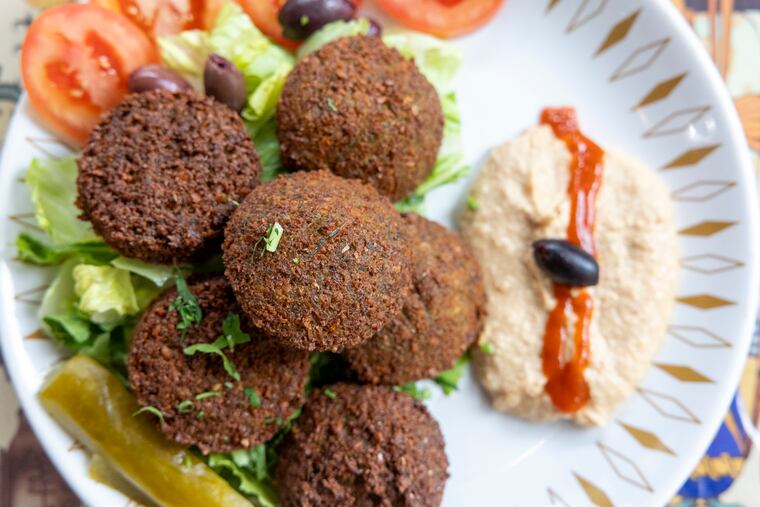
What makes a good falafel? Ask Marwan Alazzazy of Cilantro Mediterranean Restaurant and he’ll tell you it’s all about the perfectly browned, crispy exterior that easily tears in half to reveal a tender, herb-flecked interior. “Besides the recipe? It’s the hand who makes it,” Alazzazy said. “We have this saying in Egypt about any type of food that’s good, that the person making it did it with his soul — when he’s enjoying making it, it tastes different.” As an Egyptian, Alazzazy and his family know a thing or two about falafel; the legume-based balls originate from their motherland. But there are various techniques used throughout the Middle East to create this popular dish. In Palestine, it’s common to add veggies like onions and peppers to the chickpea batter, according to Bishara Kuttab of Bishos in Fox Chase. In Lebanon and Egypt, you’ll often find falafel that combines fava beans and chickpeas — sometimes with a little bit of baking soda, as Patricia Massoud does at Li Beirut in Collingswood. No matter how it’s made, falafel is about the herbs, spices, and legumes that come together to make the palm-sized rounds that are perfect on platters, in a sandwich, or as a snack by themselves. I ate falafel at over 20 restaurants to find some of the best Middle Eastern cuisine in Philly for The Inquirer’s 76. Turns out, the legume balls were a key factor in determining what restaurants made the cut: I found my favorites served exceptional falafel. While each place offers slightly different variations, what set them apart was the harmony of texture and flavor — an exterior firm enough to tap on and an herby-nutty inner mush that’s super-satisfying to sink your teeth into.
Al-Baik Shawarma
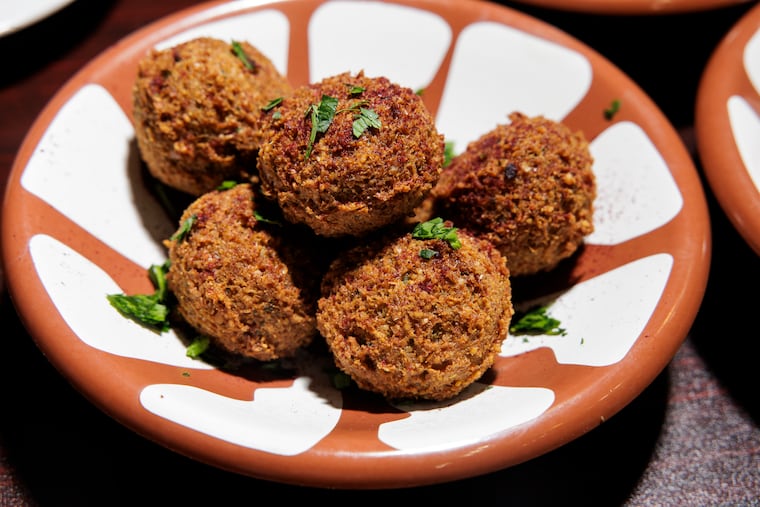
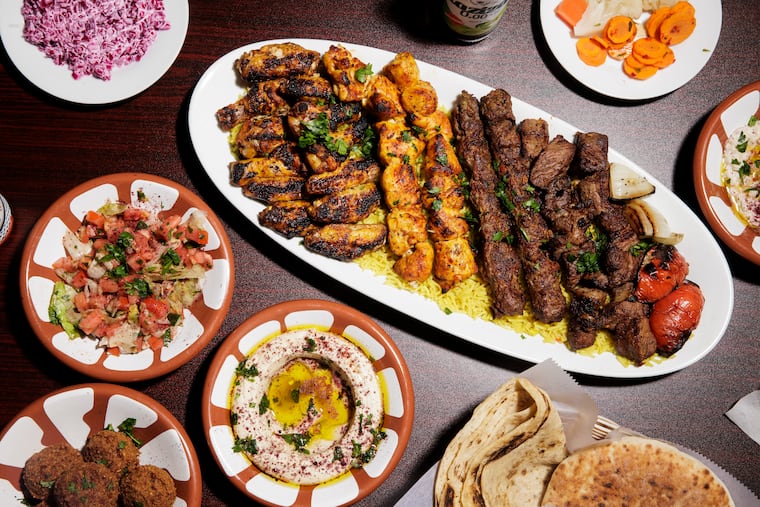
Dining at Sohaib Al-Haj’s family restaurant, featured on The 76, means devouring a generous spread of the best Palestinian dishes in Philadelphia — especially the falafel. It’s made with chickpeas that have been soaked in water for 20 hours and mixed with spices (think cumin, coriander, salt), parsley, onions, jalapeños, and green peppers. Blended together, the mixture is rounded with a scooper then deep-fried. The crispy falafel reaches the table with a bronze exterior, and the slightly spicy, earthy light green interior dances on your tongue. Get it as an appetizer, in a sandwich, or a platter with hummus, rice, and salad.
Alamodak
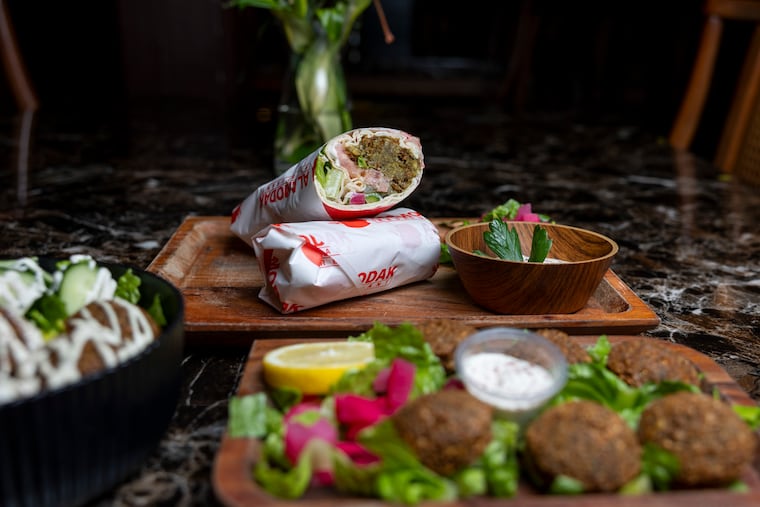
You can smoke hookah while munching on crispy falafels in this Kensington-area restaurant. Alamodak offers a Jordanian rendition of the dish in their traditional dining room as well as their upstairs hookah lounge. Owner Francisco Ayoub’s falafels are made fresh daily using a spice mix imported from Jordan, and fried to order for a crispy outside and soft, flavorful inside that packs herby, nuttiness with each bite. Order them as an appetizer, in a sandwich, or in a platter with rice and salad. Either way, there will be tahini sauce for dipping.
Apricot Stone
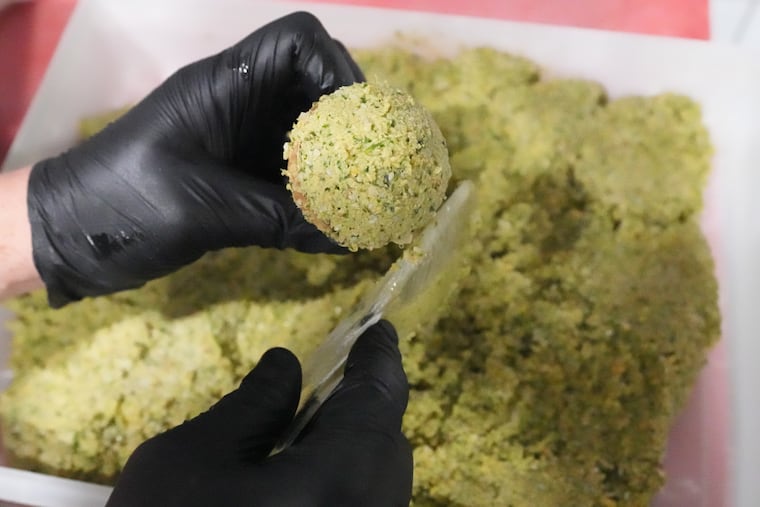
Fimy Ishkhanian, owner/chef of this Northern Liberties BYOB, is Armenian but serves crisp-tender falafels with the Syrian influences she grew up with. Chickpeas are soaked for at least 24 hours before being mixed with fava beans, cilantro, sesame seeds, and spices in a food processor. The falafels are pan-fried in a wok-style vessel and offered on the fattoush salad, as a mezze dish, and on a platter. Order takeout and get it in an exclusive sandwich with house-made tahini sauce that “just elevates the falafel itself,” said co-owner and son Ara Ishkhanian — I agree.
Bishos
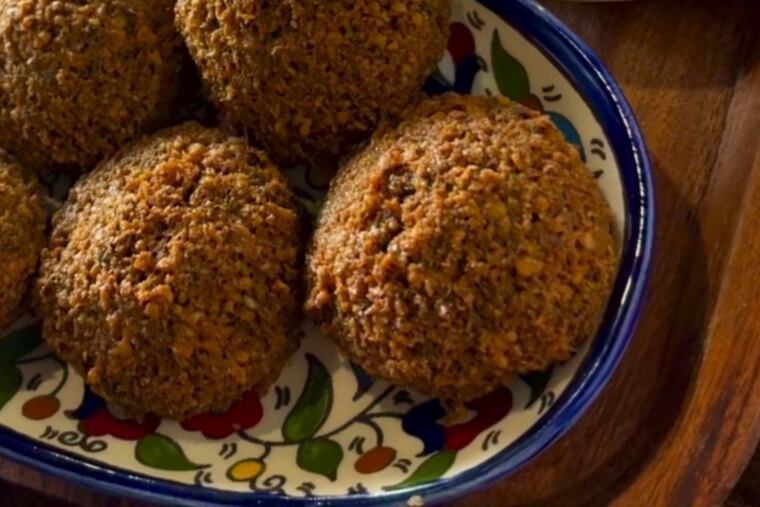
Head to Fox Chase for Palestinian falafels — warm, earthy chickpea fluff in a crisp, savory cast. Owner Bishara Kuttab said making falafels is all about the technique, ensuring the balled-up mix of chickpeas, parsley, onions, garlic, and spices are fried at the right temperature. Made to order, there are five ways to order falafel: in a hoagie, on a rice bowl, with loaded fries, in a salad bowl, or wrapped in their house-made saj bread. I recommend the last option, pairing the falafel’s nutty, earthy undertones with the soft, chewy bread.
Cilantro
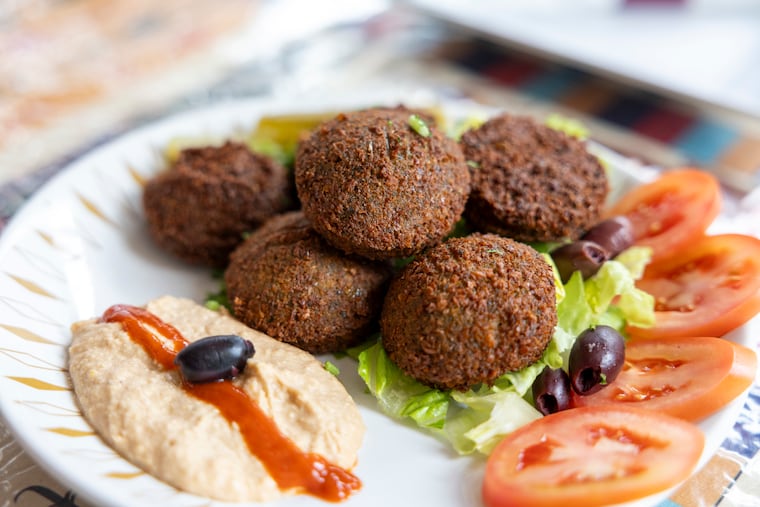
Just off South Street, chef Dalia Soliman and her husband, Mohamed Alazzazy, serve solid falafel along with other Egyptian classics that have made the restaurant a neighborhood favorite. The falafel are made with a mix of chickpeas and fava beans and seasoned with spices imported from Egypt. The family hand-rolls, freezes, and then fries them — a method that ensures the balls don’t crumble while cooking. Get five as an appetizer or opt for the platter, which includes a choice of rice or french fries, salad, hummus, and pita bread.
Flame Kabob
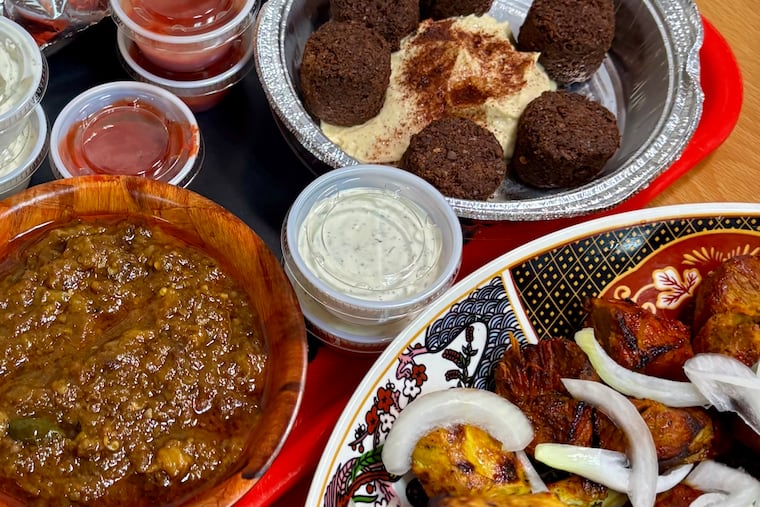
In Bensalem, Flame Kabob’s falafels begin with chickpeas soaked for 15 hours. The next day they are ground with onions and spices. Owner Esmatullah Amiri adds chickpea flour to his falafel, which is how the dish is made in his native Afghanistan — it helps prevent crumbling, he said. The mix is rolled into balls using molds, frozen, and then fried. Falafel comes in a wrap, as an appetizer with hummus, and over rice.
Li Beirut
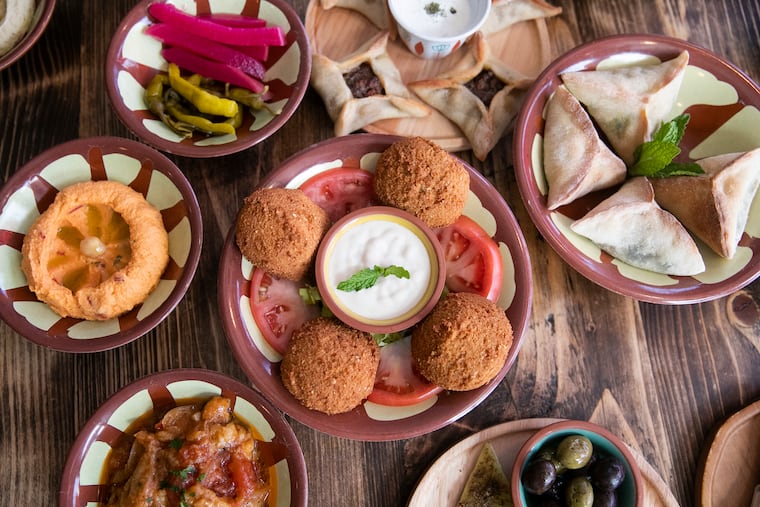
Over in Collingswood, Li Beirut chef-owner Patricia Massoud soaks her chickpeas for 12 to 18 hours — the minimum time to let the legumes hydrate and soften for grinding. She makes falafel according to her Lebanese father’s recipe. The cooked chickpeas get tossed in a food processor with onion, garlic, warming spices, fresh parsley, and cilantro. The key to her fluffy falafels, she said, is baking soda — it’s also how she keeps them gluten-free. Deep fried after resting in the fridge for 30 to 40 minutes, the cylinder-shaped falafel are served as an entree or a hot mezza for sharing.
Al-Baik Shawarma
Dining at Sohaib Al-Haj’s family restaurant, featured on The 76, means devouring a generous spread of the best Palestinian dishes in Philadelphia — especially the falafel. It’s made with chickpeas that have been soaked in water for 20 hours and mixed with spices (think cumin, coriander, salt), parsley, onions, jalapeños, and green peppers. Blended together, the mixture is rounded with a scooper then deep-fried. The crispy falafel reaches the table with a bronze exterior, and the slightly spicy, earthy light green interior dances on your tongue. Get it as an appetizer, in a sandwich, or a platter with hummus, rice, and salad.
Also appears in

Alamodak
You can smoke hookah while munching on crispy falafels in this Kensington-area restaurant. Alamodak offers a Jordanian rendition of the dish in their traditional dining room as well as their upstairs hookah lounge. Owner Francisco Ayoub’s falafels are made fresh daily using a spice mix imported from Jordan, and fried to order for a crispy outside and soft, flavorful inside that packs herby, nuttiness with each bite. Order them as an appetizer, in a sandwich, or in a platter with rice and salad. Either way, there will be tahini sauce for dipping.
Apricot Stone
Fimy Ishkhanian, owner/chef of this Northern Liberties BYOB, is Armenian but serves crisp-tender falafels with the Syrian influences she grew up with. Chickpeas are soaked for at least 24 hours before being mixed with fava beans, cilantro, sesame seeds, and spices in a food processor. The falafels are pan-fried in a wok-style vessel and offered on the fattoush salad, as a mezze dish, and on a platter. Order takeout and get it in an exclusive sandwich with house-made tahini sauce that “just elevates the falafel itself,” said co-owner and son Ara Ishkhanian — I agree.
Bishos
Head to Fox Chase for Palestinian falafels — warm, earthy chickpea fluff in a crisp, savory cast. Owner Bishara Kuttab said making falafels is all about the technique, ensuring the balled-up mix of chickpeas, parsley, onions, garlic, and spices are fried at the right temperature. Made to order, there are five ways to order falafel: in a hoagie, on a rice bowl, with loaded fries, in a salad bowl, or wrapped in their house-made saj bread. I recommend the last option, pairing the falafel’s nutty, earthy undertones with the soft, chewy bread.
Also appears in
Cilantro
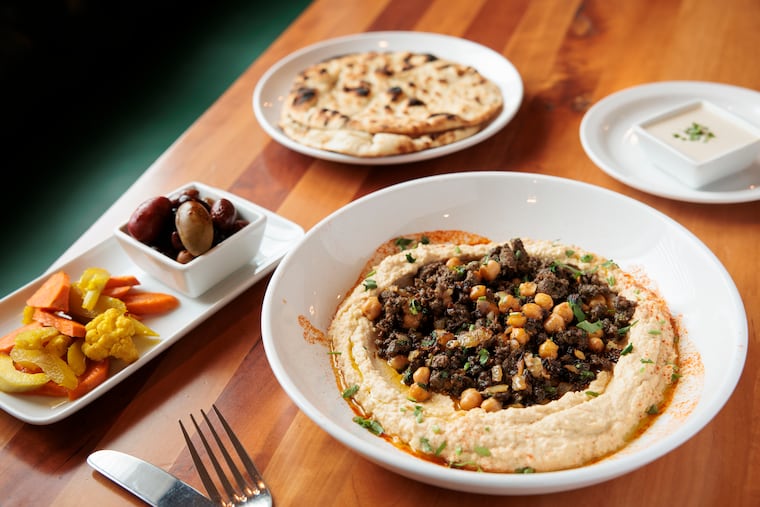
Just off South Street, chef Dalia Soliman and her husband, Mohamed Alazzazy, serve solid falafel along with other Egyptian classics that have made the restaurant a neighborhood favorite. The falafel are made with a mix of chickpeas and fava beans and seasoned with spices imported from Egypt. The family hand-rolls, freezes, and then fries them — a method that ensures the balls don’t crumble while cooking. Get five as an appetizer or opt for the platter, which includes a choice of rice or french fries, salad, hummus, and pita bread.
Flame Kabob
In Bensalem, Flame Kabob’s falafels begin with chickpeas soaked for 15 hours. The next day they are ground with onions and spices. Owner Esmatullah Amiri adds chickpea flour to his falafel, which is how the dish is made in his native Afghanistan — it helps prevent crumbling, he said. The mix is rolled into balls using molds, frozen, and then fried. Falafel comes in a wrap, as an appetizer with hummus, and over rice.
Li Beirut
Over in Collingswood, Li Beirut chef-owner Patricia Massoud soaks her chickpeas for 12 to 18 hours — the minimum time to let the legumes hydrate and soften for grinding. She makes falafel according to her Lebanese father’s recipe. The cooked chickpeas get tossed in a food processor with onion, garlic, warming spices, fresh parsley, and cilantro. The key to her fluffy falafels, she said, is baking soda — it’s also how she keeps them gluten-free. Deep fried after resting in the fridge for 30 to 40 minutes, the cylinder-shaped falafel are served as an entree or a hot mezza for sharing.