Korea Taqueria just converted its menu to all halal meats
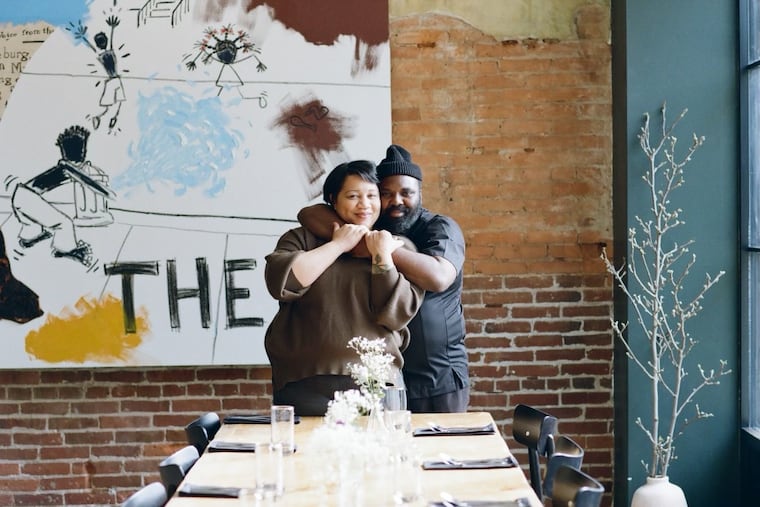
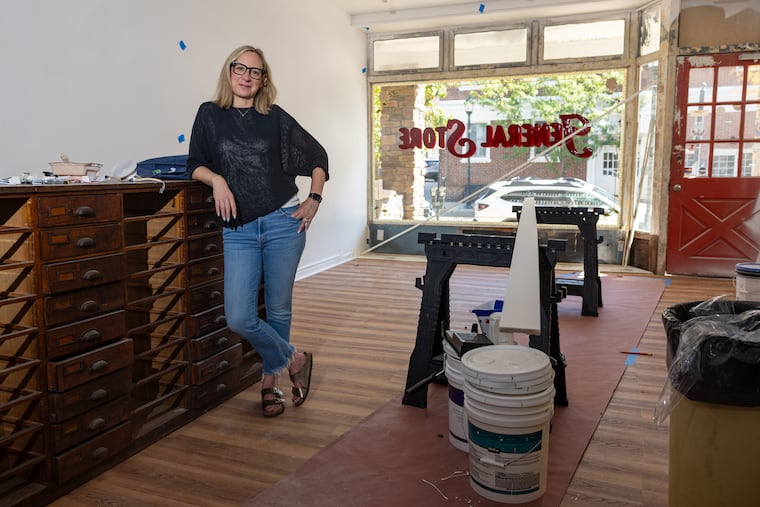
“It just opens up so many of these new doors that you wouldn’t even think existed,” said Alexander Sherack, owner of Korea Taqueria.
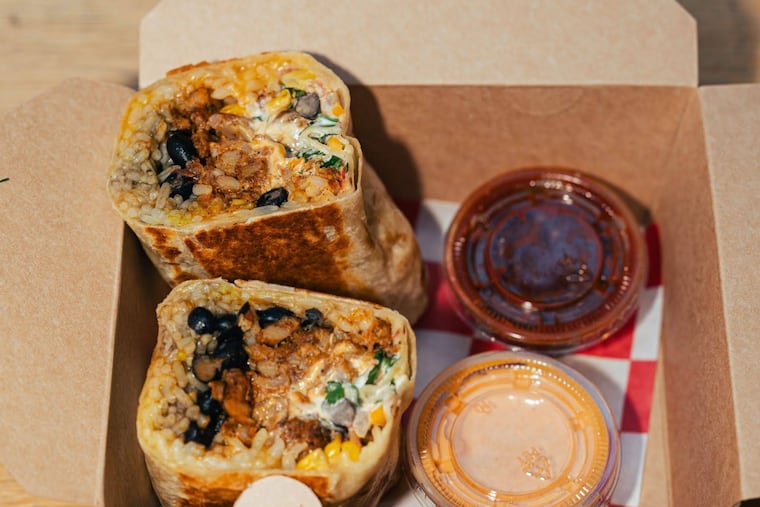
When Korea Taqueria opened its doors in South Philly back in 2023, Alexander Sherack did not anticipate the restaurant’s Instagram page to be flooded with one question. Is your menu halal?
After three years, Sherack and co-founder Rene Lopez can reply with a resounding yes.
The restaurant, known for its Korean-Mexican takeout, began as a taco cart that the two converted from a former halal cart in 2022. “I think it kind of confused a lot of people,” Sherack said.
“But it’s always been in the back of my mind [to go halal],” he added. “There was always this seed planted from day one, along with the constant reminders from people asking for halal.”
According to Sherack, chicken was the easiest to switch. Halal chicken is readily available, he said, found in restaurant supply stores sitting right next to regular brands like Mountaire Farms, Bell & Evans, and Tyson with nearly the same price as non-halal poultry.
But halal beef is a bit more complicated. With restaurants often seeking specific cuts, it’s a bit harder for halal suppliers to stock enough volume — that’s where a halal butcher comes in, Sherack explained.
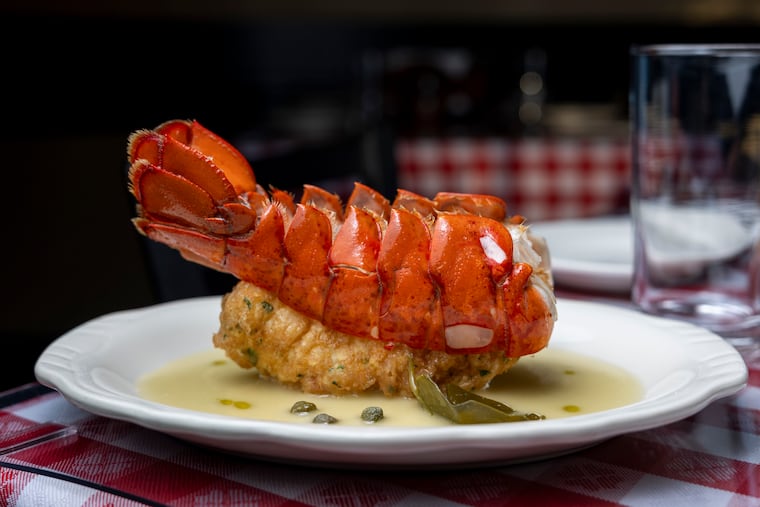
At Korea Taqueria, the cheesesteak is stuffed with fresh thinly sliced ribeye. So, they sought to find a supplier who could offer them that specific cut.
“We pretty much just cold-called every supplier and every butcher that was able to do it at a comparable price,” Sherack said. “And [Prime Halal Meat Market] happens to be local and able to do it pretty much the same price as we’re getting before.”
In March, the restaurant announced their shift to a full halal menu with a collaborative Instagram reel with Tabish Hoda, who runs the account @phillyhalalspots.
Why go halal?
The literal meaning of halal is “permissible,” which can be used to describe various parts of Muslims’ lifestyle, including dining habits. For example, rice and bread are halal, but alcohol and pork are haram — or prohibited. Halal meat follows the tradition of zabihah, defining whether the animal has been fed and treated humanely before and during slaughter, blessed in the name of Allah, and drained of blood.
Most halal-serving restaurants will identify themselves as such on their website or menus but a simple ask also helps verify. Similar to kosher meat, halal certifications are available, but “if it’s a Muslim-owned restaurant and they are guaranteeing and promising you that it’s halal, then that’s really the only research that’s required,” Hoda told the Inquirer.
Sherack said they didn’t have any formal guidance from a mosque on offering halal. But with their chicken supplier being Muslim, he consulted them to address customer questions.
But with his upbringing in Australia, Sherack is no stranger to halal. Australians understand halal restaurants are ones that offer Islamically permissible meat. Americans often associate halal with food carts offering chicken and rice, he said.
“I’ve just been educated from the core, growing up with a lot of Muslim friends,” he said. “But I’d say that having a really good supplier that’s led us in the right direction was helpful.”
Converting the full menu was a no-brainer for the owners. Offering a partially halal menu across three restaurants “had its challenges,” Sherack said, from translating it to Spanish for their staff to storing and preparing the protein separately from non-halal meats. The restaurant also eliminated pork with the expansion of chicken offerings.
“We’re saving money in the process as well,” Sherack said.
It’s not expensive to go halal, the founders have found. Chicken is competitive in pricing, if not a bit cheaper with some cuts. While halal beef is a tad pricier and difficult to find with certain cuts, the quality is excellent.
But the greater impact is the reach to different communities.
“And the ability to explore all of these new groups of people and institutions that eat halal ... it just opens up so many of these new doors that you wouldn’t even think existed.”