International tourists are coming to Philly for the World Cup. So are their tipping customs.
How will Philly restaurants navigate the potential for fewer tips?
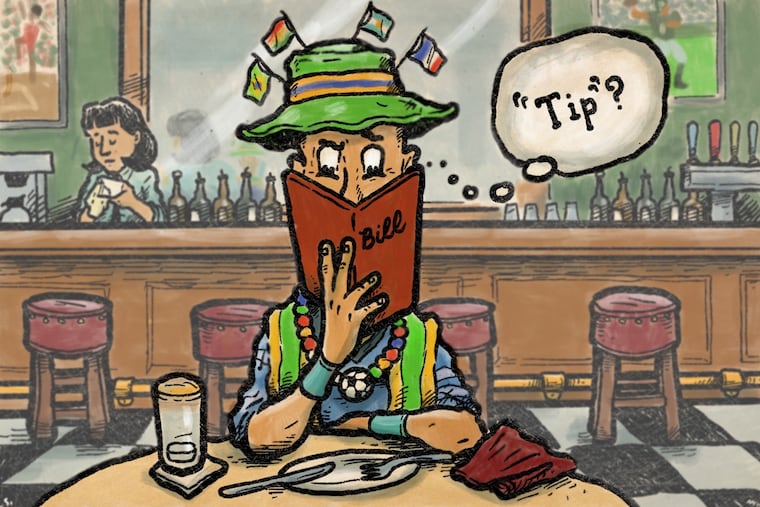
Tipping in Sweden looks like leaving a few kronor on the table after a meal. Ecuadorians won’t mind a tip for great service, but it is never expected and usually doesn’t exceed a few dollars. In Japan, diners do not tip at all.
But in the States, stiffing on a tip may get you side-eyed by waitstaff — or worse.
This is the gratuity melting pot that will soon make up Philadelphia’s dining scene, when an estimated half-million tourists — many from Asia, Central and South America, and Europe — will arrive to celebrate the 2026 World Cup and America’s 250th anniversary.
Philly restaurant owners are now mulling whether to operate as usual or implement service charges and other ways of recovering crucial tips.
Service employees rely on tips to make up their wages in the U.S. Under Pennsylvania law, the minimum wage for those employees is $2.83 per hour, with tips making up the rest of their paychecks. While the dining scene has mixed views on how best to handle patrons not accustomed to tipping, some restaurants are looking toward service charges to ensure their staff is paid.
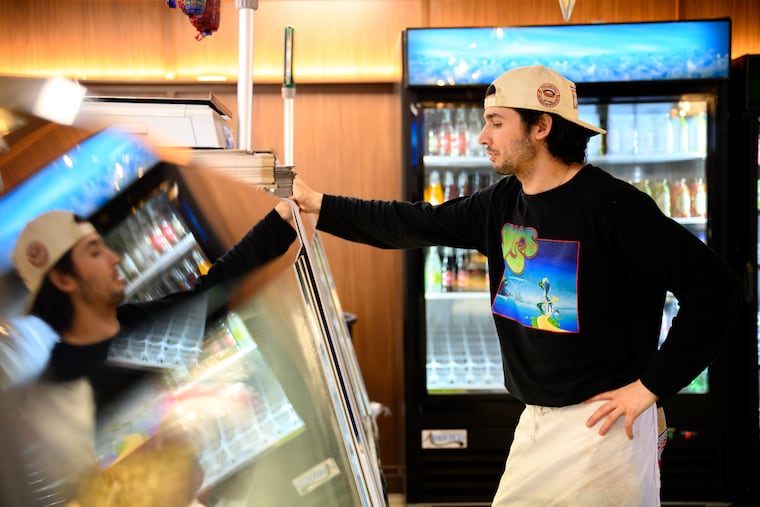
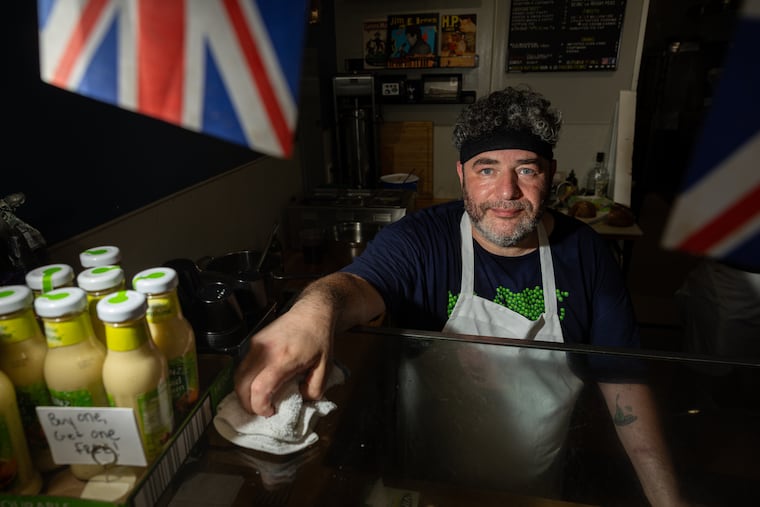
Mission Taqueria, prized for its taco and margarita deals, will implement a 20% service charge during the World Cup to address any shortcomings in the tips department.
“The whole trip abroad is not going to be a cheap date for visitors, and if we are getting the numbers in Philly that they’re projecting, we want our service team to benefit from that increased volume, just like we hope the restaurant will,” said Daniel McLaughlin, owner of the second-floor Sansom Street cantina.
It helps that Mission Taqueria implemented a 20% service charge during the COVID-19 pandemic, McLaughlin said. The charge has since been lifted, but most of Mission’s staff have worked through that pandemic era and know what that system entails.
“I can see why other restaurants might not be interested in doing a service charge, but I think for our type of place, we’re really going for it,” McLaughlin said. Mission Taqueria hopes to be a spot where fans can pack in, order food and drinks, and eliminate the time spent debating the right tip.
Could service charges help offset lower tips?
Industry organizations like the Pennsylvania Restaurant and Lodging Association (PRLA) are informing restaurants and bars about the potential for international tourists leaving tips that waitstaff are not used to, said Ben Fileccia, the trade group’s senior vice president of strategy, who was warned of this possibility a year ago by local service workers who rely on tips.
The PRLA is advising restaurant operators to consider adding a 20% service charge during the weeks of the World Cup, from June 11 to July 19, to ensure tipped employees continue to make their usual income, while also limiting the chances of servers having to explain American tipping protocols at the drop of each check, Fileccia said.
Whether those operators incorporate that receipt line item as a service charge or an auto-gratuity that goes right to the waitstaff should be discussed with legal or financial professionals, Fileccia said, as each comes with different tax and legal filings.
“It could be a burden on our servers and bartenders, who are already busting their butt enough taking care of travelers, to explain tipping protocols — but then also to have difficult conversations around it at the table,” Fileccia said. “A service charge is going to make it easier for our visitors, and it’s going to be easier for our hospitality businesses, too.”
International tourists understand American tipping culture, some owners say
Riccardo Longo, owner of Gran Caffe L’Aquila, does not see lower tipping being as prominent a problem as some believe. The Italian-born restaurateur, who sources much of his cafe’s ingredients from the motherland, said he serves Italian and other international guests regularly.
“Because of social media and the internet, the world is so much smaller,” Longo said. “I don’t think there’s the ignorance anymore that there was before, say maybe 10 to 15 years ago. We have a lot of international guests, many Italians, and they tip here for the most part.”
Longo concedes there are exceptions, but says it’s not the problem it was years ago. Additionally, most restaurants, including Gran Caffe L’Aquila, already implement auto-gratuity on parties of six or more people — which is common in the Philly dining scene — so this issue would occur only with smaller parties, he said.
Jason Evenchik, co-owner of some of the city’s most popular late-night haunts such as Time, Vintage, and Garage, will not be adding a service charge, either, saying that he believes most international visitors understand that tipping is a “standard part of dining culture” in the States.
Evenchik is discussing with his partners possibly displaying educational materials in their bars and restaurants on how American tipping works, a practice he saw implemented at the French bistro Caribou Cafe years before.
Embracing global tipping customs
In the lead-up to the World Cup, organizations like the World Affairs Council of Philadelphia are introducing businesses and residents to customs from across the world, and tipping is a big part of that.
Lauren Swartz, president of Philadelphia’s World Affairs Council, said tourists are sometimes unfamiliar with how high the tipping percentage is in the U.S., and how often customers are asked to tip for products or services they do not usually tip for at home.
Whatever policies restaurants and bars put in place to recover lower tips should be implemented “across the board,” for both domestic and international guests, Swartz said, to avoid situations of “profiling” customers.
Another key to welcoming international diners is to prominently display a restaurant’s tipping policies and service charges, if any, on the restaurant website, on menus, and inside the property before the customer sees the bill, Swartz said.
“That will help prevent our waitstaff from having a really difficult conversation at the end of a meal, and ensure our customers feel like they know what they’re walking into,” she said.
While operators may find it difficult to translate educational materials into multiple languages, this is a scenario when technology comes in handy. “Most people in other countries, for whom English is not their first language, are very familiar with built-in translation apps on their phone. It’s very comfortable to use them.”
Clearly legible displays that can be translated using phone apps, as well as using QR codes to access digital menus, can be helpful, Swartz said.
On top of the service charge at Mission Taqueria, McLaughlin will be creating a digital menu that can be scanned throughout the restaurant, featuring photos of food and beverage items to better translate some of the offerings.
Correction: Lauren Swartz’s name was spelled incorrectly.