New Jersey Blood Services declares shortage, calls for donors
Supplies are dwindling as demand for blood units at hospitals typically increases during the summer.
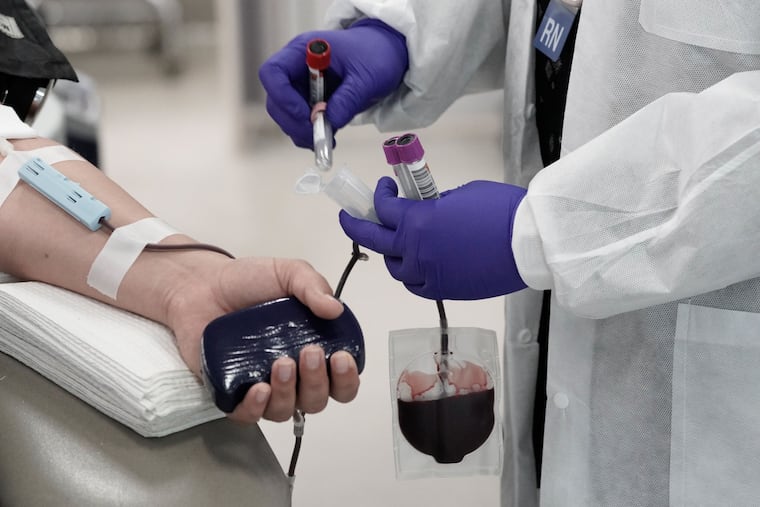
New Jersey Gov. Mikie Sherrill is urging people to donate blood after one of the state’s leading blood banks declared an emergency over critically low levels.
New Jersey Blood Services’ blood supply has dropped to less than a two-day supply as the number of donors has fallen 25% in May from their goal. An average of 900 donations came in a day in May, compared with the goal of 1,200.
The blood bank supplies 500,000 units of blood and other blood products, such as platelets, to more than 150 healthcare providers a year.
Blood banks across the country often see a decline in supplies in the summer, when regular donors are away on vacation and schools are closed. (About a quarter of donated blood comes from high school students who donate at blood drives held on campus.)
The drop is always concerning because it coincides with a time of year when demand for blood typically increases, as hospitals see more injuries, accidents, and other trauma cases requiring blood during the summer.
NJBS organizers and state lawmakers are particularly concerned this year because supplies have reached critical levels earlier than usual, as the region prepares for an influx of visitors for the World Cup that could further strain resources.
“In an emergency, access to a blood transfusion can mean the difference between life and death,” Sherrill said in a statement Tuesday. “As we look ahead to a summer of major celebrations and events — from the World Cup to America’s 250th anniversary — it is more important than ever that we are prepared for any emergency."
The American Red Cross of Southeastern Pennsylvania said it is not currently experiencing a shortage, though it raised alarms amid a surge of seasonal illness over the winter.
Blood donors needed
Blood banks have limited options in preparing for the perennial summer shortage, said Chelsey Smith, a spokesperson for New Jersey Blood Services.
Whole blood can be stored for no more than 42 days, so stockpiling in advance is not an option. Platelets, commonly used for cancer patients, must be used within a week of collection.
The blood bank has the greatest need for O positive, O negative, A negative, and B negative blood types.
In times of shortages, the blood bank turns to the community for help, ramping up outreach and education efforts to urge people to donate.
“It’s a medical intervention we rely solely on community members to meet,” Smith said.
How to donate blood
Donors must be at least 17 years old, weigh at least 110 pounds, and be in generally good health to donate. Sixteen-year-olds can donate with parental consent.
About 3% of eligible adults donate, according to NJBS.
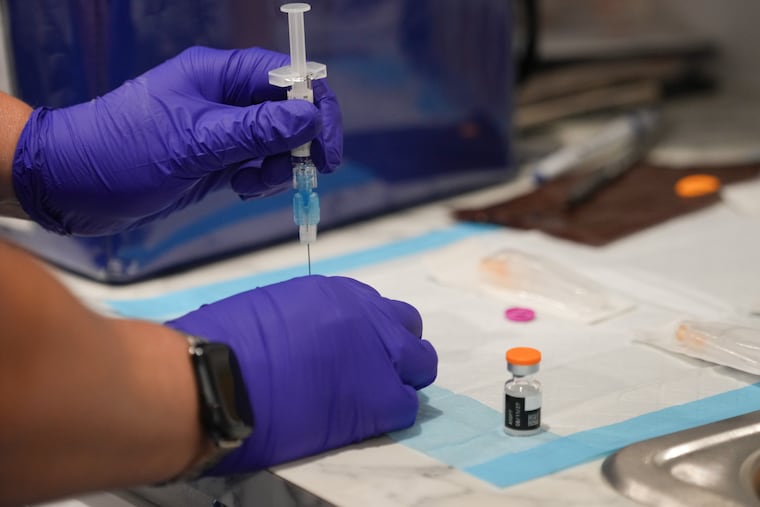
Whole blood donation takes about an hour, and can be done once every 56 days.
For more details about eligibility, to make an appointment, or to find a blood drive near you, visit www.nybc.org or call 1-800-933-2566.