Philadelphia health officials warn of an uptick in chickenpox cases
Chickenpox is highly contagious and causes fever, fatigue, and a rash that can develop into hundreds of itchy blisters.
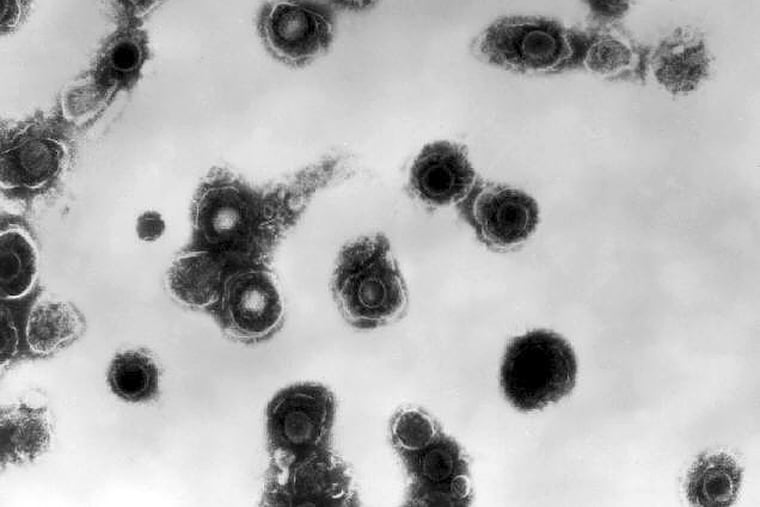
Philadelphia health officials are warning medical providers to be on the alert for chickenpox, after outbreaks at two city schools in recent months indicate a “small but notable” increase in cases of the highly contagious disease.
Fewer than 10 cases were reported at each school, and the outbreaks were not connected, nor part of a broader community outbreak. In a health advisory to doctors earlier this month, the city said it had fielded reports of varicella in unvaccinated children, who can suffer more serious effects than vaccinated kids.
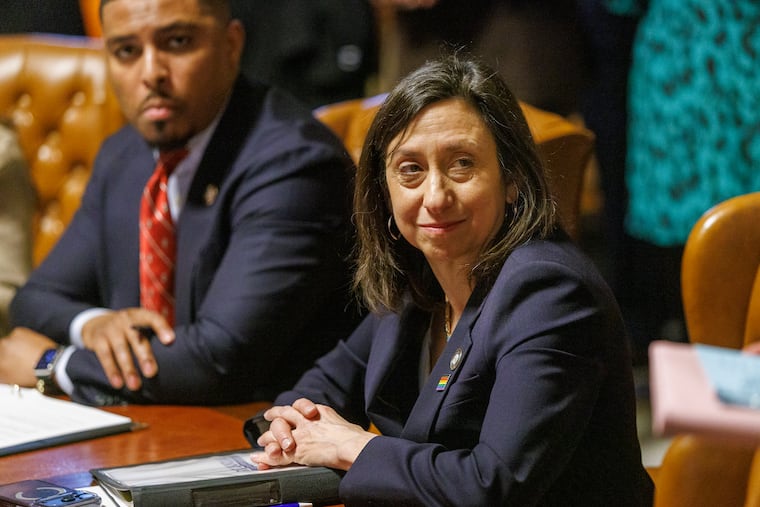
It’s unclear what drove the recent uptick in cases in Philadelphia, said Gayle Mendoza, a spokesperson for the city Department of Public Health. She did not have information on how many cases were reported in vaccinated versus unvaccinated children.
Chickenpox causes fever, fatigue, and a rash that can develop into hundreds of itchy blisters. People over 18 are at risk for more serious complications than children.
About 94% of schoolchildren in Philadelphia have immunity against chickenpox, also known as varicella, with the vast majority protected through vaccination. Of those with immunity today, only about 1% acquired protection through an infection.
Varicella outbreaks used to be much more common before widespread vaccination.
Cases have dropped by 97% in the United States since health authorities recommended routine childhood vaccination in 1995, according to the Centers for Disease Control and Prevention.
Case counts for several communicable diseases, including whooping cough and walking pneumonia, declined during the COVID-19 pandemic while schools closed, but have since risen closer to pre-pandemic levels. That could be happening with varicella, Mendoza said.
In Philadelphia, varicella vaccination rates briefly ticked downward after the 2020-21 school year, but by the 2024-25 school year had returned close to pre-pandemic rates, according to state data.
Earlier this month, Health and Human Services Secretary Robert F. Kennedy announced sweeping changes to the CDC’s list of routinely recommended childhood vaccinations, removing several from the list and sparking outrage from health experts who said that cases of serious, preventable diseases like hepatitis B would rise.
Chickenpox vaccination is still on the list of vaccines recommended for all children, although health experts have raised warnings about nationally declining vaccination rates in recent years.
Before 1995, nearly 4 million people a year were infected with chickenpox, up to 13,500 were hospitalized, and between 100 and 150 died, city health officials said.
“It’s a very small chance you get the illness if you’re vaccinated, but it’s always going to be milder,” Mendoza said.
Unvaccinated patients can develop 250 to 500 lesions from chickenpox; vaccinated patients, if they contract the disease, will see less than 50 and have less likelihood of spreading the disease.
With the recent school outbreaks, Philadelphia health officials are encouraging health providers to test patients for chickenpox and report suspected, probable, and confirmed cases to local authorities.
People who have been exposed to the virus can get immunized within five days or receive antiviral medications to prevent them from contracting the disease.
Mendoza said the health department is coordinating a response with schools where varicella outbreaks were identified.