RFK Jr. is upending U.S. vaccine policy. A Philly expert says child hospitalizations and deaths will rise as a result.
Paul Offit, a nationally renowned vaccine expert who co-invented a vaccine for rotavirus, said the move will only increase preventable illnesses in children.

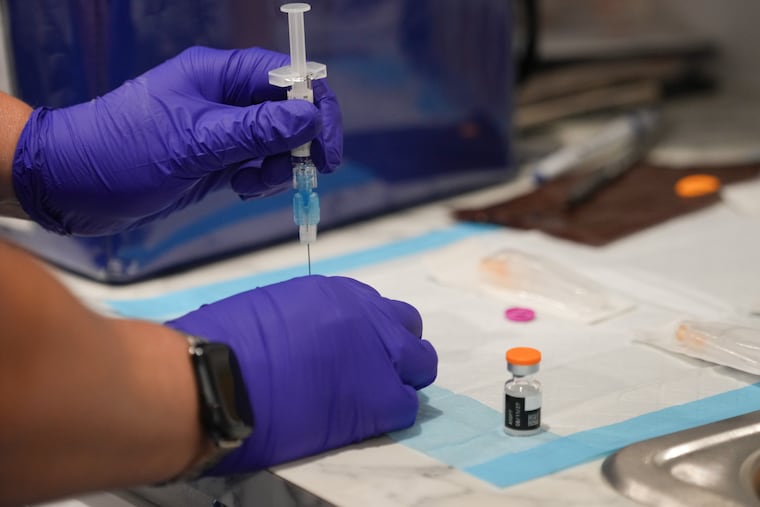
Sweeping changes to the United States’ childhood vaccine schedule announced Monday by federal officials will decrease the number of recommended childhood immunizations from 17 to 11.
Outraged pediatricians and infectious disease experts say the move will increase cases of preventable illnesses, hospitalizations, and deaths. Among the vaccines affected is an immunization for rotavirus whose co-inventor, Paul Offit, directs the Vaccine Education Center at the Children’s Hospital of Philadelphia.
Now, vaccination for the serious gastrointestinal illness is among those no longer universally recommended by the Centers for Disease Control and Prevention.
The guidance change also affects immunizations for flu, respiratory syncytial virus (RSV), meningococcal disease, hepatitis A, and hepatitis B. The CDC now recommends them for children at high risk of serious illness, or when parents of otherwise healthy children decide with their doctor to give their child vaccines for these diseases.
The CDC’s move is the latest in a chaotic upheaval of the nation’s vaccine policy overseen by Health and Human Services Secretary Robert F. Kennedy, Jr.
“I think the goal of RFK Jr. is to make vaccines optional,” said Offit, a longtime critic of Kennedy, saying the anti-vaccine activist “is doing everything he can to make vaccines less available, less affordable, and more feared.”
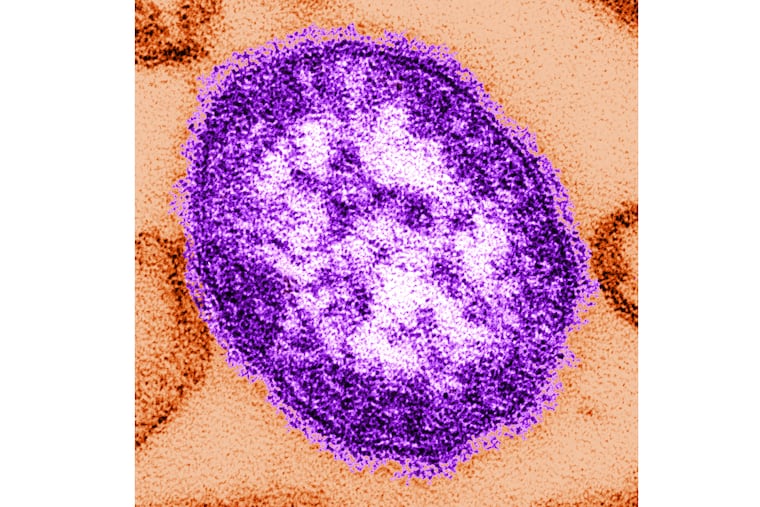
Other experts said the decision was made without transparency and had little scientific backing. It comes at a time when more Americans are refusing vaccines; in Pennsylvania kindergarteners’ measles vaccination rates have dipped below the critical 95% threshold required to prevent the disease from spreading widely.
The Infectious Disease Society of America called the move “the latest reckless step in Secretary Kennedy’s assault on the national vaccine infrastructure that has saved millions of lives.”
Ronald G. Nahass, a New Jersey-based physician and IDSA’s president, said in a statement that Kennedy’s actions “put families and communities at risk and will make America sicker.”
The American Academy of Pediatrics, a leading professional medical society, said it would continue to recommend that all children be vaccinated against rotavirus, hepatitis, and other diseases removed from the CDC’s routine immunization list.
Under the new guidelines, the CDC will continue to recommend that all children get vaccinated for diphtheria, tetanus, whooping cough or pertussis, haemophilus influenzae type b, pneumococcal conjugate, polio, measles, mumps, rubella, human papillomavirus or HPV, and chickenpox.
The agency will also recommend that children at high risk for serious complications receive vaccines for respiratory syncytial virus (RSV), hepatitis A, hepatitis B, dengue, and two meningococcal diseases.
Previously, an independent committee that advises the agency in November recommended delaying hepatitis B vaccines for newborns.
“This framework empowers parents and physicians to make individualized decisions based on risk, while maintaining strong protection against serious disease,” said Mehmet Oz, a physician and administrator of the Centers for Medicare & Medicaid Services, in a statement.
Federal officials said that insurance will continue to cover vaccinations, the Associated Press reported.
Vaccine policy around the world
Offit spent 26 years developing a rotavirus vaccine after treating children with the illness during his medical residency in Pittsburgh — including one patient who died. Rotavirus causes vomiting and diarrhea that can lead to dehydration and is particularly dangerous for young children. There are two vaccines available, one of which Offit helped to develop.
“I try not to take this personally,” he said of the new federal guidance.
Before rotavirus vaccines were recommended by the CDC in 2006, up to 70,000 children were hospitalized with rotavirus each year, he noted.
Within a decade, hospitalizations plummeted.
“But what we hadn’t eliminated was the virus,” he said.
HHS officials said that their review of worldwide vaccination policies found that the United States vaccinates for more diseases than other developed countries.
But, they said, many countries that recommend fewer vaccines still achieve “strong child health outcomes” and “maintain high vaccination rates through public trust and education rather than mandates.”
Trump has touted Denmark, which recommends routine vaccinations for 10 diseases, as a potential model for the U.S.
Denmark may have better health outcomes, but it also has a national healthcare system, a lower childhood poverty level, and free childcare, Offit noted in a recent blog post.
And, he said, Denmark — which does not recommend routine rotavirus or RSV vaccination — sees children hospitalized from those viruses at higher rates than the United States.
“Denmark is nothing to emulate. They should be emulating us,” Offit said.
Likewise, AAP president Andrew Racine said in a statement that America is a “unique country” with different health risks and public health infrastructure than Denmark.
“This is no way to make our country healthier,” Racine said.
Pennsylvania Gov. Josh Shapiro said that the state will “continue to rely on evidence-based guidance” including vaccine recommendations from the AAP.
“RFK Jr. is once again trying to sow chaos and confusion among parents — but know this: these changes at the federal level do not affect Pennsylvanians’ access to vaccines in our Commonwealth,“ he said in a statement. ”Pennsylvanians should continue to consult with their doctors and make informed decisions based on the best scientific evidence."
New Jersey’s Acting Health Commissioner Jeffrey A. Brown said in a statement that the state sets vaccine requirements for school and childcare, and that those have not changed despite shifts at the federal level. He added vaccines in the state remain covered by insurance and the state is committed to protecting residents’ health.
“Federal efforts to reduce the number of vaccines recommended for all children in the United States are not supported by the available data nor the consensus of public health and medical experts,” Brown said. “Instead, deterring participation in vaccination risks leaving children vulnerable to serious and preventable infections.”
Changing public attitudes
In a December survey, the Annenberg Public Policy Center at the University of Pennsylvania found that more than a third of 1,006 Americans polled were more likely to trust the American Medical Association, a leading professional medical society, over the CDC if the two conflicted on vaccine policy.
At the time of the survey, the CDC had recently changed its website to suggest — against decades of evidence showing otherwise — that there could be a link between vaccines and autism.
Asking the public to make their own decisions on whether to vaccinate their children can make people vulnerable to misinformation, Annenberg director Kathleen Hall Jamieson said in an interview with The Inquirer last week.
“The public doesn’t have time to do research on its own, on average, and in the process, they can get lost in a mire of misinformation and confusion very easily,” she said. “It’s easy to think one is doing one’s research when one is way down the rabbit hole.”
In the poll, the preference to trust the AMA over the CDC held true across political parties and was particularly pronounced among older Americans. The only age group more likely to accept the CDC over the AMA in the event of conflicting vaccine advice was 18- to 29-year-olds.
“The fact that, as the CDC began to change statements, the public shifted its trust to other organizations on consequential issues — that’s a statement that says the public intelligence is real,” Jamieson said.
The AAP’s Racine reiterated Monday that the society will continue to publish its own vaccine recommendations and help physicians to advise parents.
“Your child’s pediatrician has the medical training, special knowledge, and scientific evidence about how to support children’s health, safety, and well-being. Working together, you can make informed decisions about what’s best for your child,” Racine said.
Offit cautioned parents against avoiding vaccinations, as high rates do not just protect healthy children — they’re also vital for children with immune disorders who cannot be vaccinated.
And, he said, parents shouldn’t discount the risks of hospitalization or death from vaccine-preventable diseases.
“There’s this sort of myth of invulnerability — you never think it’s going to happen to you, until it happens to you,” he said.