Philly health officials warn of a potential measles exposure at the airport and 30th Street Station
Measles, which spreads through the air when infected people cough, sneeze, or talk, can linger in the air for up to two hours after an infected person leaves an area.

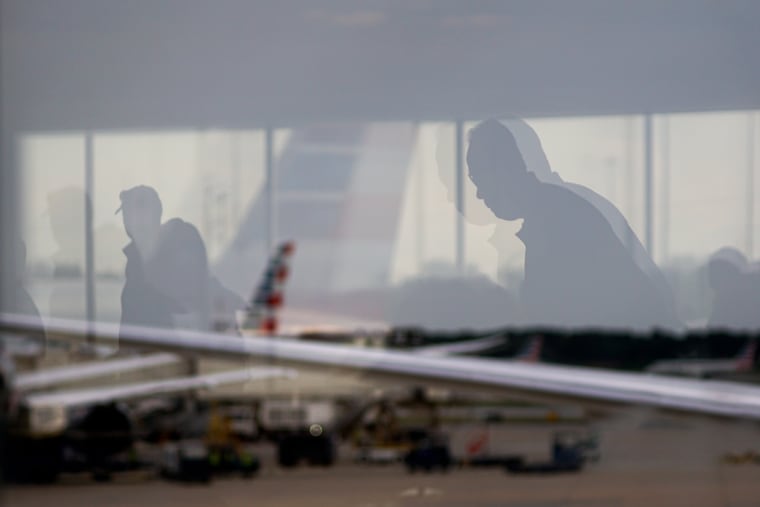
Health officials are warning that a person infected with measles traveled through Philadelphia last week, potentially exposing people who passed through several transit hubs last Wednesday to the highly contagious virus.
Officials believe there’s no threat to the general public, Philadelphia Health Commissioner Palak Raval-Nelson said in a statement on Monday.
People who were in the following locations at the following times last Wednesday should check their vaccination status and watch for measles symptoms, officials said:
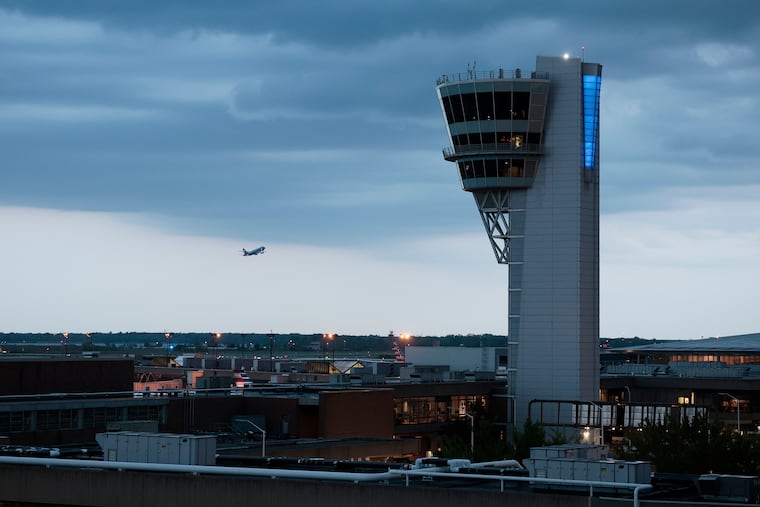
Philadelphia International Airport, Terminal A East, from 7:50 p.m. to 11 p.m.
30th Street Station from 8:15 p.m. to 11:25 p.m.
Amtrak Northeast Regional Train Southbound #175, which traveled from Boston to Washington, D.C., and stopped in Philadelphia at 9:23 p.m. People on the train between 9:23 and 11:30 p.m. may have been exposed to the virus.
After traveling through Philadelphia, the person with measles also may have exposed people on parking shuttles at Baltimore’s airport and Amtrak station, according to Maryland’s state health department.
Measles, which spreads through the air when infected people cough, sneeze, or talk, can linger in the air for up to two hours after an infected person leaves an area.
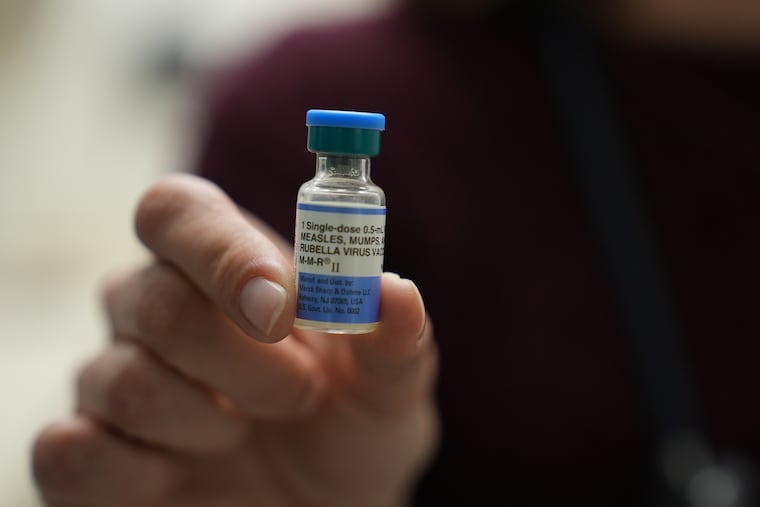
People are considered immune to measles if they are born before 1957, have already had measles, or received two doses of the measles, mumps, and rubella vaccine.
People with immunity don’t have to do anything if they were exposed in Philadelphia last week, health officials said.
People who are not considered immune and were potentially exposed to the virus last week should talk to their doctor about getting an MMR vaccine as soon as possible.
Among them, children under a year old, pregnant people who are not immune, and people with a weakened immune system should call their doctor as soon as possible.
Health officials said that early measles symptoms include a runny nose, a cough, and puffy, red eyes, followed by a rash. The disease is contagious for about four days before a rash develops, and four days after that.
That means that people without immunity who were exposed to the virus could infect others without knowing it. In such cases, they should wear masks in indoor public spaces and around anyone unvaccinated until three weeks pass from the exposure, health officials said.
Anyone who is not immune and believes they were exposed to the virus should contact a doctor immediately if they develop measles symptoms through Jan. 28.
They should also notify the Philadelphia Department of Public Health at 215-685-6740. Pennsylvania residents outside Philadelphia should call the state health department at 877-724-3258.
Health officials noted that measles can lead to pneumonia, brain infection, and death in serious cases.
Area health officials have identified a handful of measles cases in the city in the last year, and warned travelers of another possible measles exposure in the airport in November.
Raval-Nelson noted that many countries, including popular international travel destinations, are seeing measles outbreaks.
Measles has also been spreading in the United States. The CDC reported 49 outbreaks — a cluster of three or more measles cases — in 2025, with 88% of the 2,144 cases nationwide linked to those outbreaks.
In 2024, the U.S. saw 16 outbreaks and 285 cases of measles, with 69% of those cases linked to outbreaks.
Raval-Nelson urged parents to vaccinate young children. While children under a year old are not routinely vaccinated with MMR, she noted, people who are planning to travel outside the country should get the vaccine for infants as young as 6 months to protect them from the virus.
Editor’s note: This story has been updated to correct the age at which a person is considered immune to measles.