Overdose deaths in Philadelphia are decreasing — especially in the Black community. But deaths involving stimulants are rising.
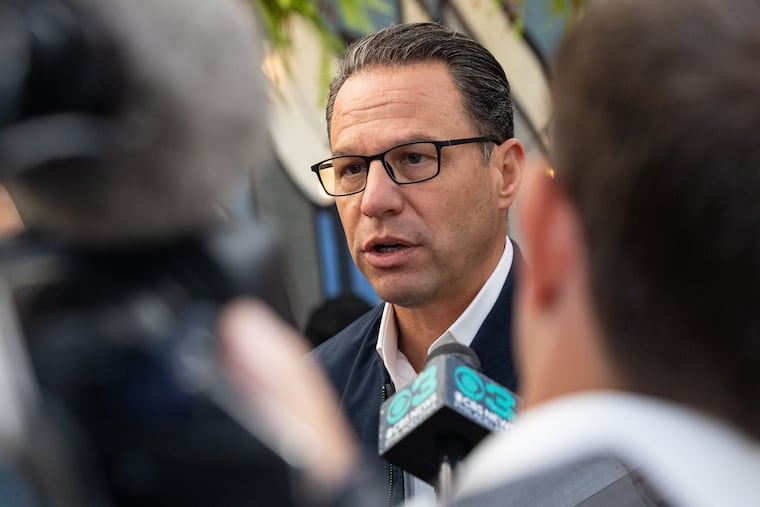
“Overdoses are not going down for everyone,” said Daniel Teixeira da Silva, director of the Division of Substance Use Prevention and Harm Reduction at the city health department.
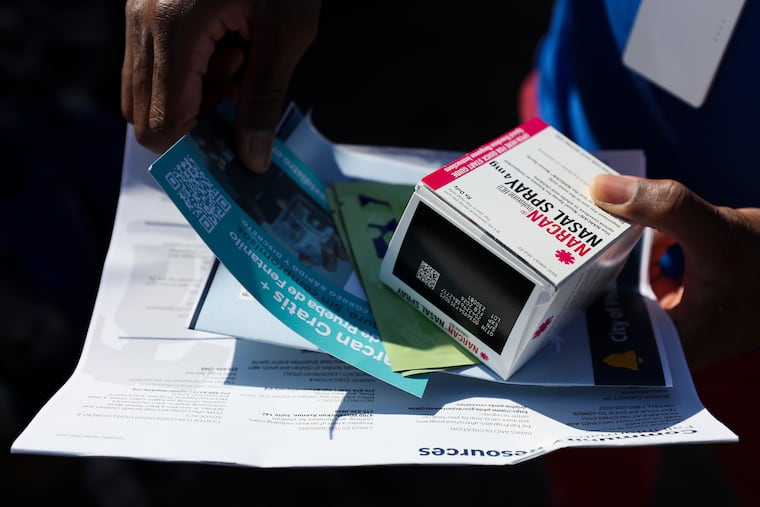
Drug overdose deaths are dropping significantly among Black Philadelphians, a community particularly hard-hit by the overdose crisis in recent years, a new city analysis of drug-related deaths in 2024 has found.
For a second straight year, drug fatalities decreased across the city. But communities of color in Philadelphia are still at the highest risk for overdose, health officials warned. And deaths involving stimulants like cocaine and methamphetamine are increasing even while deaths involving opioids decrease.
“Overdoses are not going down for everyone,” said Daniel Teixeira da Silva, director of the Division of Substance Use Prevention and Harm Reduction at the Philadelphia health department. “These data suggest we need to broaden our approach to the overdose crisis.”
Black Philadelphians, who since 2021 have experienced the highest numbers of overdoses in the city, saw a 27% drop in fatal overdoses in 2024. Overdoses dropped 26% among Hispanic Philadelphians and 4% for white Philadelphians, the city’s analysis shows.
Overdoses among Black Philadelphians now make up about 42% of drug deaths in the city. 41% of the city’s drug-related deaths occurred among white Philadelphians and 15% among Hispanic residents.
The decreases were welcome news to advocates and outreach workers who have fought to curb overdoses in Black communities that have historically received fewer resources or support for substance use disorder.
Increased outreach from the city and grassroots community organizations, as well as more widespread availability of the opioid overdose-reversing drug naloxone, likely contributed to the decrease, said Tracy Pugh, the knowledge management director at Vital Strategies, a public health organization that distributes funds from the Bloomberg Overdose Initiative.
“Historically, Black communities were being left behind, and we’re seeing the narrowing of that disparity,” she said.
Increasingly, Black Philadelphians are discussing overdose risks and the city’s changing drug supply, said April Lee, director of programs at Philly Voice for Change. The nonprofit advocates for families who are separated by the justice system due to addiction and is among those funded by Vital Strategies.
For years, Lee said, opioid addiction was stereotyped as a crisis affecting largely white, suburban populations — even as deaths among Black Philadelphians rose.
“There has been a huge push throughout the last few years to educate our community that this is happening, and that we can no longer dissociate ourselves from what’s happening because we thought it wasn’t happening to us,” said Lee, who is in recovery from a substance use disorder herself.
In 2024, 1,069 people died of drug overdoses in Philadelphia, an 18% drop from the year before. This compares to an all-time high in 2022, when the city recorded 1,413 overdose deaths.
Preliminary state data indicate that overdose deaths further dropped to 921 in 2025 in Philadelphia. That would mean the city recorded under 1,000 overdoses for the first time in nearly a decade, although state officials noted that the figure could be higher once data is finalized.
City officials, who conduct their own annual analysis of overdose data, declined to comment on the state totals.
The decline in overdoses in Philadelphia is consistent with national trends — and experts say it’s likely that a number of factors, including better outreach and access to treatment, as well as a changing drug supply, have contributed to the drop.
What drugs are causing overdoses in Philadelphia?
Most Philadelphians who die of overdoses are using both opioids and stimulants like cocaine and methamphetamine: About half of 2024’s fatal overdoses involved both drugs.
Deaths related to a combination of opioids and stimulants steadily increased from 2018 to 2022, but decreased in 2023 and 2024 in Philadelphia.
Meanwhile, deaths involving only stimulants increased by 8.6%. Since 2014, stimulant-only deaths have more than doubled.
Seven out of 10 stimulant-only overdose deaths involved Black Philadelphians in 2024, and Black men over 45 are particularly at risk.
The city launched an outreach campaign called “Heart to Heart” last year, targeting neighborhoods where stimulant use is prevalent in North and West Philadelphia.
Long-term stimulant use can damage the heart and put a person at greater risk for an overdose, Teixeira da Silva said, adding that Black Philadelphians are generally at greater risk for heart disease.
Treatment options for stimulant addiction are more limited than for opioid use disorders, and advocates have long called for better access to healthcare for people using stimulants.
“We’re still not where we need to be as a city when it comes to stimulants,” Lee said.
Health officials detected another emerging danger in a drug supply increasingly contaminated with powerful animal tranquilizers. The drugs xylazine, known as tranq on the street, and medetomidine were involved in 364 and 92 deaths, respectively.
Nearly all of those deaths also involved the synthetic opioid fentanyl, which was detected in most fatal overdose cases in 2024.
Drug deaths by zip code
Citywide, the 19134 zip code, which includes Kensington, the epicenter of Philadelphia’s drug trade, had the highest number of overdoses in 2024, with 179 deaths. Fatalities have decreased 6% there since 2022.
In the 19139 zip code in West Philadelphia, overdoses had climbed to 60 deaths in 2022, then dropped to 28 in two years.
Other neighborhoods were still grappling with persistently high overdose rates: the 19132 zip code in Strawberry Mansion saw its highest overdose death total in nearly a decade in 2024, with 57 deaths.
The city’s Overdose Response Unit has for years targeted zip codes at particular risk of overdose with education and resources about drug use. These efforts have included majority-Black neighborhoods where outreach had been comparatively scarce.
“There’s been this increasing number of city staff going into communities as trusted messengers to talk about drug use in a non-stigmatizing way,” Teixeira da Silva said. “The significant decreases — I think that’s where it comes from.”