Penn Medicine posted a $238 million operating profit for the first nine months of fiscal 2026
The nonprofit health system's revenue climbed nearly 15% to $10.1 billion thanks to the addition of Doylestown Health and solid increase in the number of patients served.
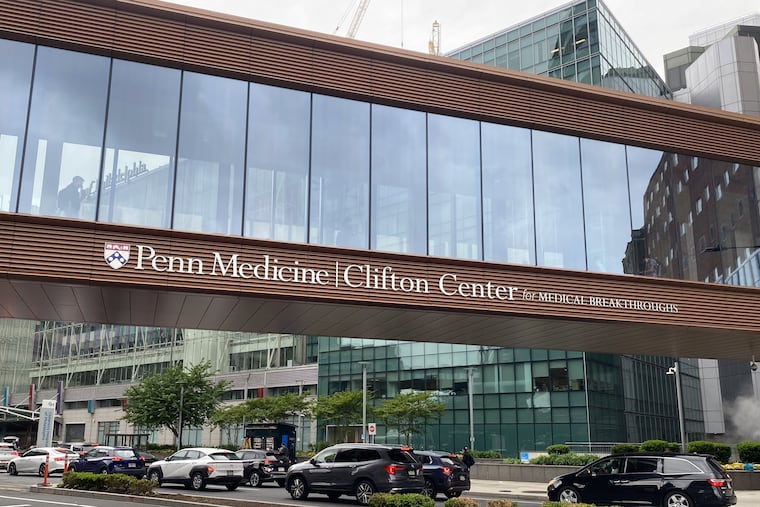
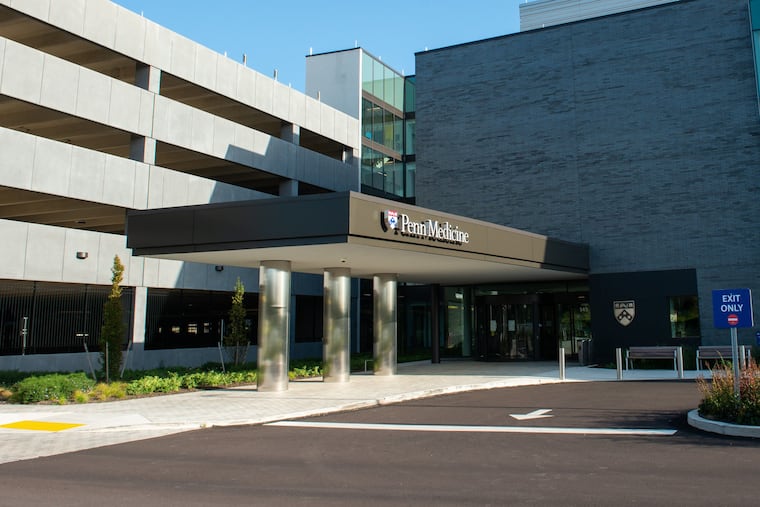
The University of Pennsylvania Health System’s operating income in the nine months ended March 31 rose to $238 million, up sharply from $163 million in the same period a year ago, the nonprofit reported to bondholders Wednesday.
During the quarter, Penn added $7 million to its reserves for medical malpractice claims because of the continued trend toward higher settlements and jury awards, the health system’s chief financial officer Julia Puchtler said in an interview. That was on top of the $43 million it reserved in the quarter that ended Dec. 31.
Here are more details:
Revenue: Total revenue for the nine months increased nearly 15% to $10.1 billion from $8.8 billion last year. This year’s results include Doylestown Health, which Penn acquired in April 2025.
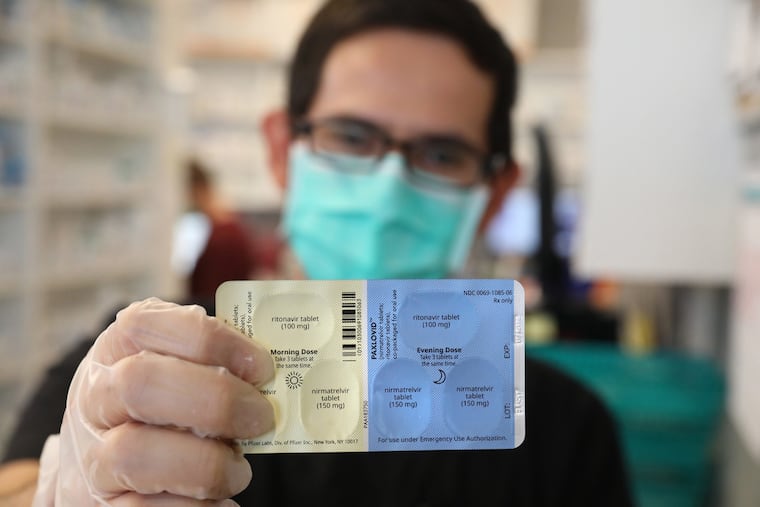
Penn’s pharmacy business was a big contributor to the system’s year-over-year profitability gain, but it faced a headwind starting Jan. 1. Pennsylvania’s Medicaid program stopped covering GLP-1s for weight loss alone. That is expected to cost Penn about $1 million a month in revenue, Puchtler said.
Shifts in where patients get care: The emergency departments at Penn’s seven hospitals are seeing fewer patients who come in for relatively minor problems and don’t get admitted to the hospital. But the number of ED patients who get hospitalized is increasing, Puchtler said. At the same time, the health system is seeing increases in primary care and virtual visits. But it’s impossible to say if there’s a direct correlation, she said.
The shift in surgeries from inpatient to outpatient continues, particularly in orthopedics, but Penn is also seeing growth in certain outpatient areas, such as otolaryngology in Lancaster and Philadelphia, Puchtler said.
Medicaid cuts: Like other health systems, Penn expects to contend with an increase in the number of uninsured patients, given the decline in enrollment in the ACA marketplace plans in Pennsylvania and New Jersey and looming Medicaid cuts. Penn estimated that 5% of its patients with Medicaid could lose their coverage next year when new requirements take effect.