Project HOME adds new beds for homeless patients leaving the hospital
Project HOME officials say respite beds, for patients without anywhere to go after they're discharged from a hospital, are in high demand and short supply across Philadelphia.
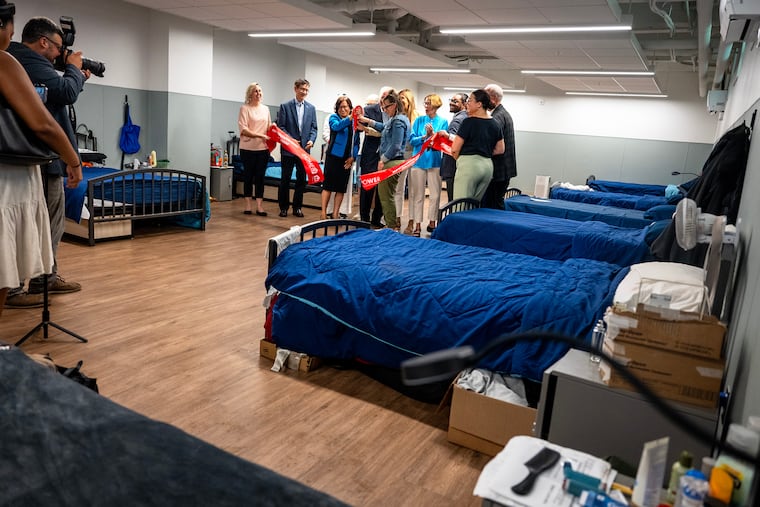
Project HOME is adding 20 beds to a Hunting Park shelter to house hospital patients who have nowhere to go once they’re discharged.
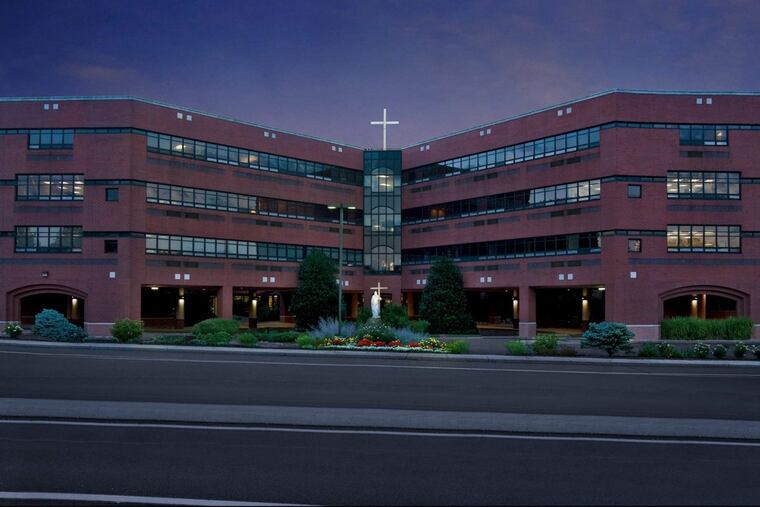
The new center, Hawthorne House Respite, expands the respite beds available at the housing nonprofit’s Sacred Heart Recovery Residence on Old York Road.
Renovations to the building, a former nursing home for cancer patients run by Dominican nuns, added 20 beds in dormitory-style housing — 10 for men, 10 for women — and cost $3.4 million. Funds came in part from $2.3 million raised at the behest of Jon Bon Jovi, a longtime Project HOME collaborator, at the organization’s 35th anniversary gala in 2024.
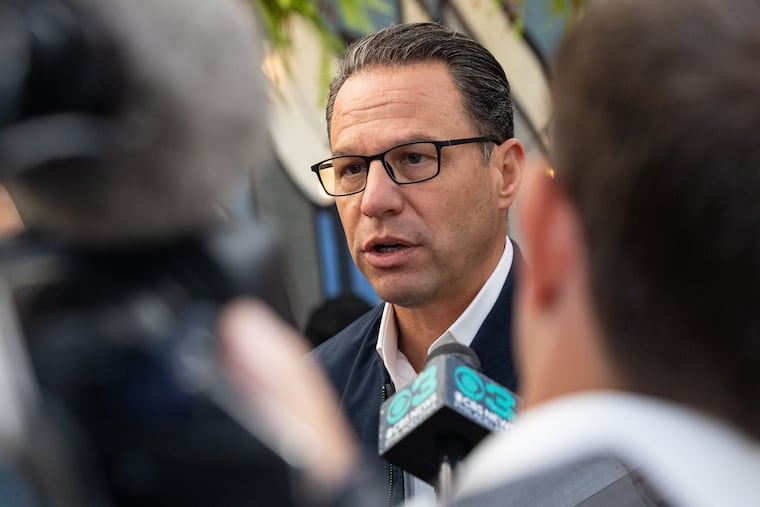
“We can’t stress enough how much housing is healthcare, and that respite beds at every level is so important as part of the ecosystem,” said Donna Bullock, Project HOME’s CEO, after a ribbon-cutting ceremony for the new beds Wednesday.
“People need different levels of care for healing, different levels of housing for stability.”
Sacred Heart, which also offers longer-term housing for people in recovery, already had 10 respite beds for residents.
Now, providers can refer more patients directly from the hospital to Sacred Heart. The program is part of the Project HOME Collaborative, a partnership to address homelessness and substance use recovery with Jefferson Health, Penn Medicine, Temple Health, and Prevention Point.
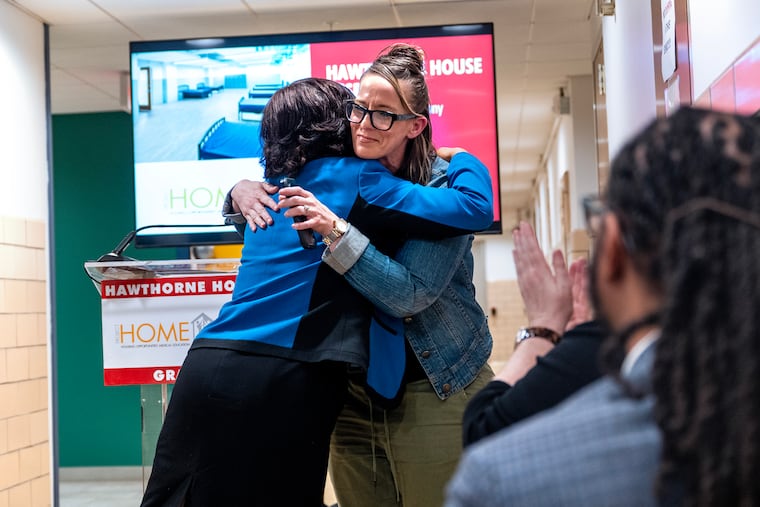
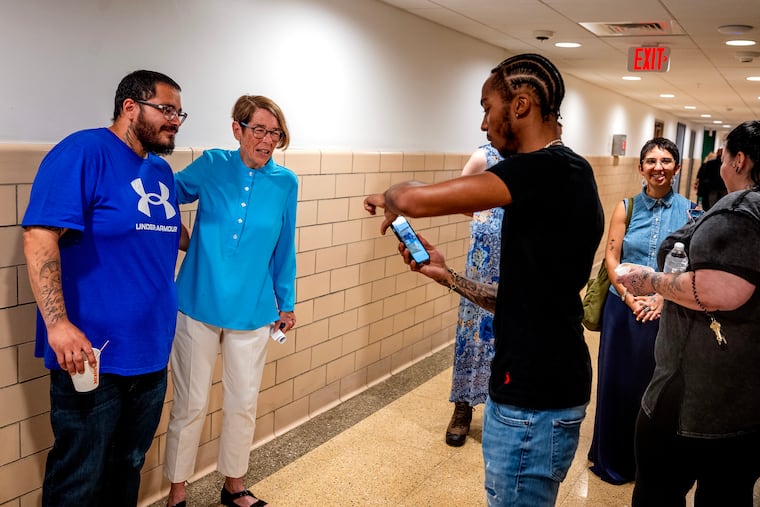
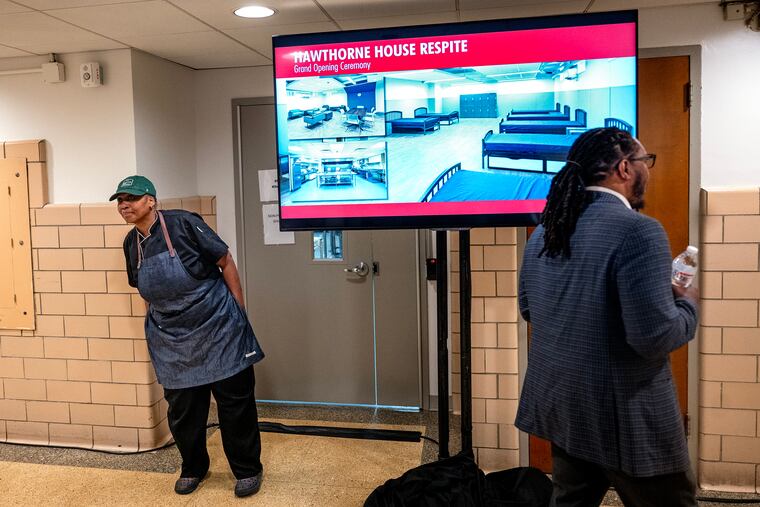
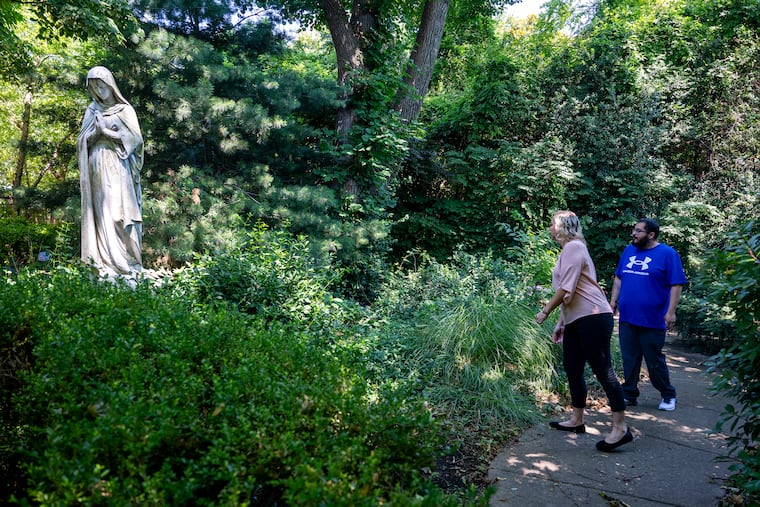
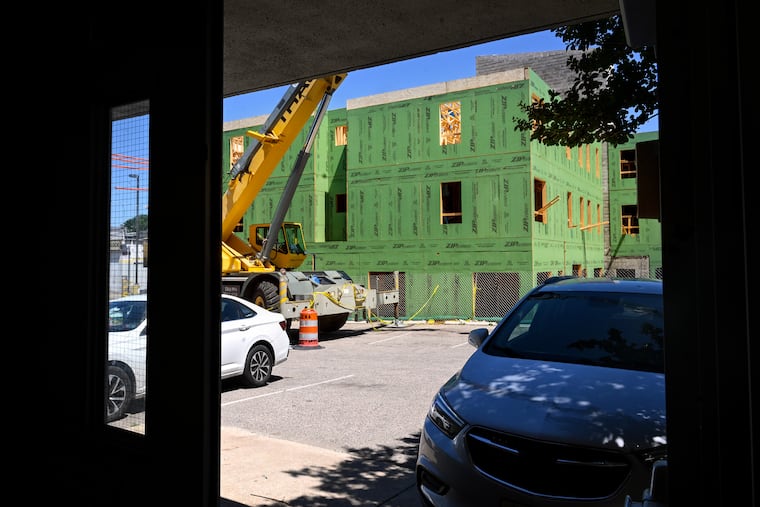
Project HOME officials say respite beds are in high demand and short supply across Philadelphia. Another respite program run by the Public Health Management Corporation in northwest Philadelphia offers 40 beds for patients with higher-level medical needs.
“It’s not enough,” Bullock said.
Gaps in the healthcare, shelter, and addiction treatment systems often make it difficult for homeless patients to heal after a hospital stay.
Inpatient addiction rehabs and shelters often do not have the capacity to care for patients with ongoing medical needs, while hospitals cannot sustain long-term care for patients who have recovered enough to be discharged.
“We know that recovery doesn’t stop when we discharge you and send you out into the community. Too often, individuals who are homeless face impossible challenges after they are discharged,” said Steve Carson, Temple Health’s senior vice president of population health.
Patients placed in respite beds say such programs are crucial to their recovery and continued stability. Amber Moon arrived at Sacred Heart two years ago after she developed endocarditis from injection drug use, resulting in two heart surgeries.
After months in the hospital, she was well enough to leave — but still needed support to heal. At Sacred Heart, staff arranged rides to doctors’ appointments and helped her navigate new medication regimens. Moon relished the opportunity to continue her recovery outside of a hospital room, surrounded by other residents who’d survived similar experiences.
“I was happy that I was around other people — not just the girls that I was staying with, but staff that understood what I was going through,” she said. “They treat you with humanity, like a regular person.”
Now a certified recovery specialist who helps other people with addiction navigate treatment, Moon is set to move into her own apartment soon.
“I‘m very grateful to have met all the people I’ve met, and been through what I’ve been through, because now I’m able to help others who think that there’s no chance,” she said. “There always is.”