Bill sponsored by Rep. Madeleine Dean would make assaulting a healthcare worker a federal crime
Nurse advocates say some healthcare workers face violence on a regular basis.
Three nurses were trying to help a shooting victim outside Penn Presbyterian Hospital two years ago when they were struck and injured by an SUV in a hit-and-run.
Months earlier, a man being treated for a possible drug overdose stabbed a Temple University Hospital nurse with a hypodermic needle.
In 2021, a nurse was fatally shot inside Thomas Jefferson University Hospital by an off-duty colleague.
Many healthcare workers report facing less extreme violence, such as being hit, bit, spat at, and name-called on a near-daily basis.
Assaulting a healthcare worker is a felony offense in Pennsylvania, carrying a sentence of up to 10 years in prison. It is also a crime in New Jersey.
But advocates say stronger protections are needed.
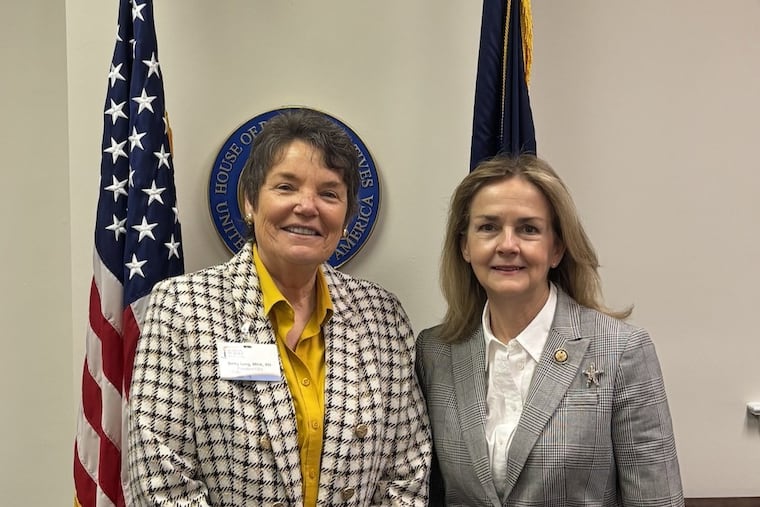
Among those leading the charge is Betty Long, a retired nurse and founder of Guardian Nurses, a healthcare advocacy organization based in Montgomery County.
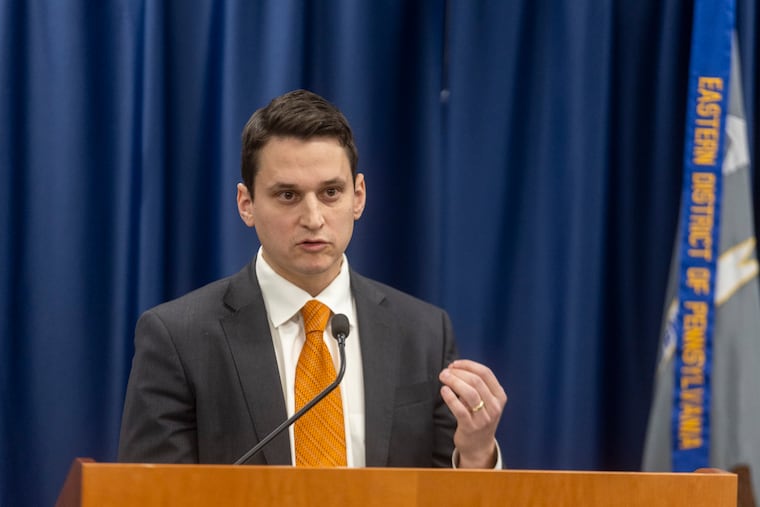
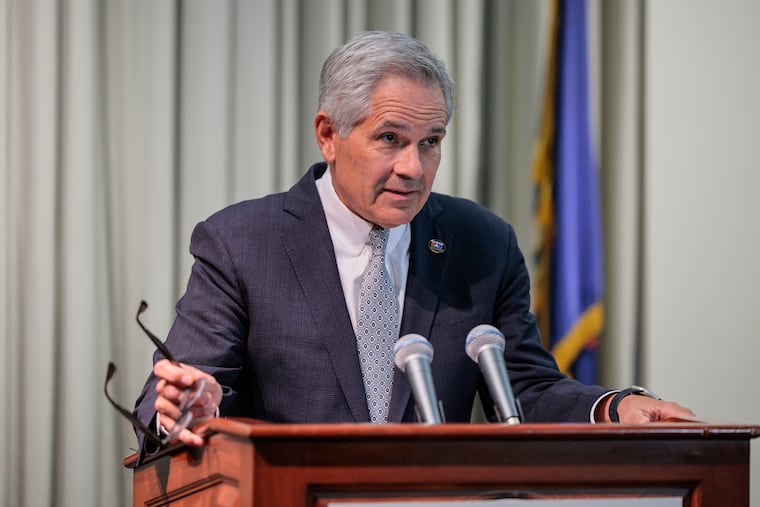
Long is working with U.S. Rep. Madeleine Dean, a Montgomery County Democrat, to advance legislation that would make assaulting a healthcare worker a federal crime, with harsher penalties.
Since Dean introduced the Save Healthcare Workers Act last year, it has gained bipartisan support with 48 cosponsors.
The Inquirer spoke with Long and Dean about workplace violence in healthcare and how to protect medical staff. The interview has been lightly edited for length and clarity.
What are you seeing on the ground that prompted you to advocate for stronger workplace protections for nurses?
BL: Well, my clinical days are long gone. But nurses who have come in [to Guardian Nurses] post-COVID share stories about the violence, verbal abuse, physical abuse that they’ve endured.
There was the story from Penn Presbyterian, where the nurses ran out to get the ER patient and upon doing so, were run over by the man dropping them off. That really struck a chord with me.
At the time, there were 60 nurses on my team, and I said, “How many of you have been assaulted or victims of any kind of physical or verbal violence?” And 49 of them raised their hand.
I mean, sure, back in the day, somebody would yell and grab your hand or something, but there wasn’t a level of intensity.
They shared stories that I was totally overwhelmed with. I thought, people don’t know about this. That was really what kicked off my campaign to educate the public, so that hopefully they’ll get engaged. Because an engaged public makes a difference.
What do you think is driving the rise in workplace violence in healthcare?
MD: It wasn’t that long ago, during COVID, that we stood outside of hospitals at the time of shift change. We’d be there with the firefighters and all of us just applauding our healthcare workers for going in and out of the hospital at a time we were all so afraid.
Certainly, COVID put us on such edge to be suffering through a pandemic where more than a million lives were lost in this country — the isolation that we all felt, the fear that you’d have to take a family member in and not be able to stay and be by their side, all of those things [have fed into it.]
Some of the incidents recalled to me were politically motivated, where they have bought into the idea that immunization is not safe, or why are you wearing a mask. And so politics wound up playing a role, instead of just medical science and what is the best state of care.
How would the Safe Healthcare Workers Act protect nurses?
MD: It would make it a federal crime to knowingly assault an employee, hospital employee, healthcare employee, nurse, doctor, technician, you name it. It’s a two-part bill, and part two would provide grants so that local healthcare providers could come up with the very best training for their locations, for what they are struggling through. .
What’s the status of the legislation?
MD: We right now have 48 cosponsors, 18 of whom are Republicans. My hope is we get it across this year. It would mirror something that we did do rather quickly when we had this problem crop up among airlines, with flight attendants having to put up with some really bad, sometimes violent behavior.