Temple Health says its new medical malpractice strategy is working
Temple's strategy of settling old medical malpractice cases with the help of seasoned commercial litigators is expected to pay off in the long term with lower malpractice costs.

Temple University Health System‘s medical malpractice expenses have surged in the two years that ended June 30 as part of a campaign to reduce financial risk by settling old cases.
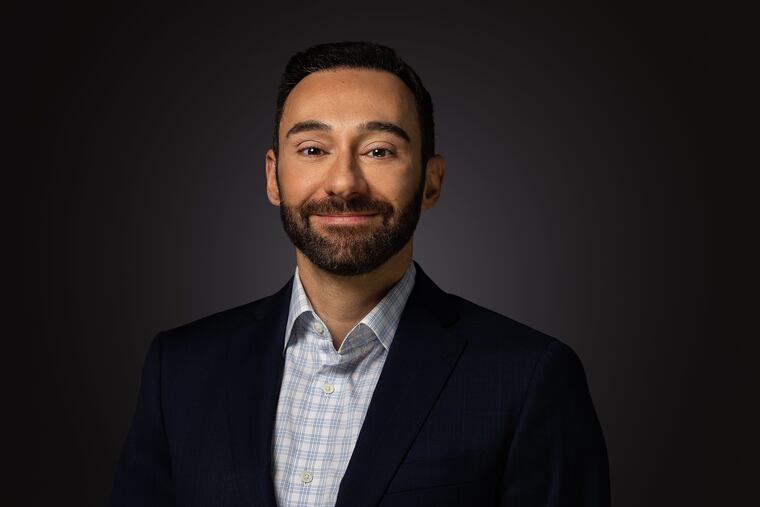
The hope is that “aggressively” settling cases will pay off over the next few years by reducing medical malpractice expenses, Michael DiFranco, the health system’s chief accounting officer, told investors during a conference call last week on the health system’s fiscal 2025 financial results.
Temple Health has 12,000 faculty members and employees who work mainly on five hospital campuses. Its fiscal 2025 revenue was $3.3 billion.
Temple’s annual medical malpractice expenses increased nearly fourfold, to $117.8 million in fiscal 2025 from $31.6 million two years ago. Over the same period, it cut its reserves for future expenses by $88 million, or 22%. Temple’s reserves peaked at $402.9 million in 2023.
Rising medical malpractice costs are reverberating throughout healthcare. Tower Health recently boosted its reserves after its auditor decided they should be higher to deal with anticipated claims. Lifecycle Wellness, a birth center in Bryn Mawr, blamed its decision to stop delivering babies in February in part on rising medical malpractice costs.
The average number of medical malpractice lawsuits filed in Philadelphia every month has risen from 34 and 35 in the two years before the pandemic to 51 last year and 52 so far this year, according to the Philadelphia Court of Common Pleas. In additional to lawsuits against hospitals, the tally includes litigation against physicians, nursing homes, and other healthcare providers.
Contributing to the increase was a rule change at the beginning of 2023 that allowed more cases to be filed in Philadelphia rather than the county where an injury occurred. Malpractice lawyers say they like to file in Philadelphia because the system for trying cases is efficient. Health systems often note that Philadelphia juries sometimes award large verdicts.
A ‘wake-up call’ at Temple
Temple Health started rethinking its medical malpractice strategy after John Ryan started as general counsel in January 2022. A month before he started, The Inquirer published an article about three suicides at Temple Episcopal Hospital in 2020. At least two of the families sued Temple.
“That was a wake-up call,” Ryan said in a recent interview on his approach to handling malpractice cases.
Then in May 2023, a Philadelphia jury hit Temple with a $25.9 million verdict in a case involving a delayed diagnosis of a leg injury leading to an amputation.
After that loss, Temple changed the kinds of outside lawyers it hires to defend it in malpractice cases, Ryan said, swapping medical malpractice specialists for commercial litigators from firms like Blank Rome, Cozen O’Connor, and Duane Morris. Such lawyers cost more, but it’s paying off, he said.
“The settlements we’re getting from the plaintiff lawyers, because they can see that we’re serious, are much better,” Ryan said. The two Episcopal cases were settled this year for undisclosed amounts, according to court records. A birth-injury lawsuit against Temple University Hospital in federal court settled for $8 million this month.
In 2024, a jury awarded $45 million to a teen who was shot in the neck and suffered brain damage from aspirating food soon after his release from Temple. Temple appealed and the judge who oversaw the original trial ordered a new one. That case then settled at the end of October for an undisclosed amount.
The new approach has helped Temple reduce the number of outstanding cases at any one time to 65 or so now compared to 110 three years ago, according to Ryan.
Temple is using the money it is saving on malpractice costs to invest in better and safer care, Ryan said. “That’s not a byproduct of all we’re trying to do as the lawyers. It’s the goal,” he said.
Inquirer staff reporter Abraham Gutman contributed to this article.