A diaper bank in Chester helps new parents get by
A Chester diaper bank is aimed at assisting new mothers in the area with basic necessities for their babies.
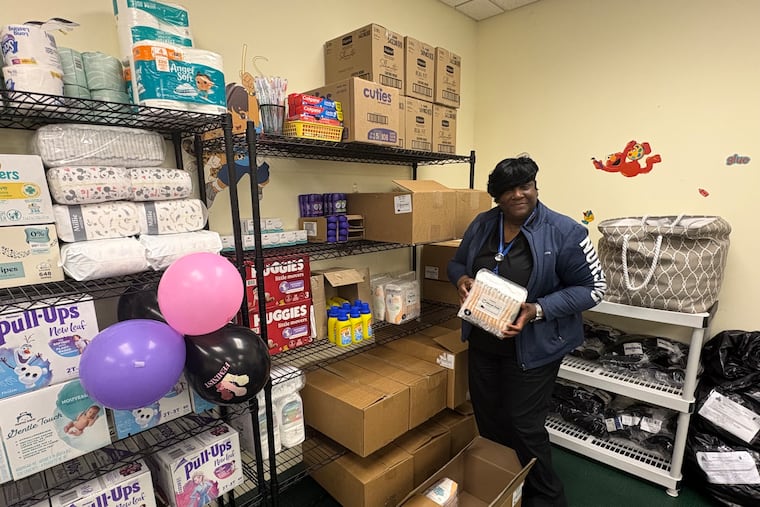
Once a month, Trina Smith drives a U-Haul full of diapers to Chester to give out as many as she can for free.
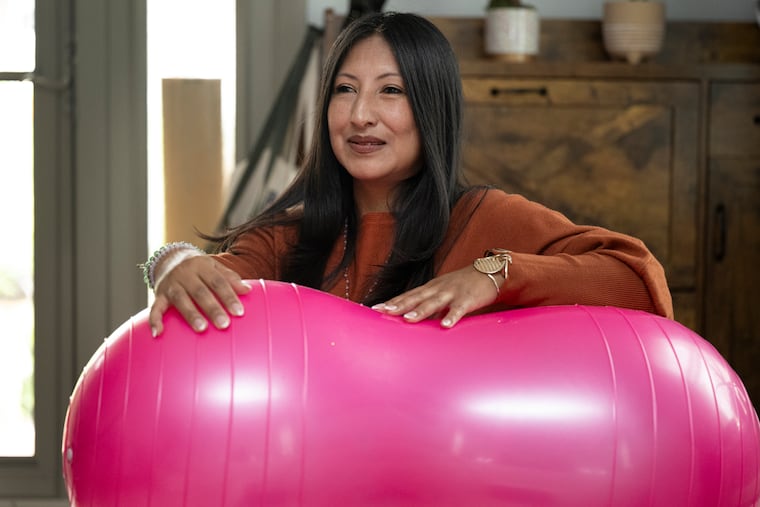
Smith is a healthcare coordinator at a residence for women with intellectual disabilities. In her spare time, she heads the nonprofit Trinity Transitional House, whose work includes assisting the area’s new mothers with basic necessities for their babies.
They’ve been operating a diaper bank since the COVID-19 pandemic. At first, Smith held free diaper pop-ups outside her home in Chester. Since January, she and other Trinity volunteers have operated out of her church, the Christian Church of Chester, on Mondays and Tuesdays from 6 to 8 p.m. and on occasional Fridays.
The program is open to anyone, but serves as additional support for many of the women who connect with Trinity, which conducts homeless outreach, runs regular life-skills workshops, and partners with Chester city officials to provide emergency hotel housing for local women facing homelessness or fleeing domestic violence.
The diaper bank helps parents, and sometimes grandparents, struggling to make ends meet in Chester. They also offer other essentials like toothbrushes and hygiene products. Smith directs participants to the church food bank as well.
A number of area organizations offer free diapers to families. And healthcare systems and charities increasingly acknowledge that access to nutritious food and basic essentials like period products, hygiene kits, and diapers play a crucial role in maintaining good health.
On a recent Tuesday, Smith stocked shelves at the diaper bank and hoped that a woman who called her earlier that day would stop by.
Minutes before closing, a woman carrying a baby poked her head in the door. She typed a few sentences in Spanish into a translation app: Is this where she could get free diapers? Through the app, she explained that she had three other children and had just lost her job. Part-time work two days a week wasn’t enough to cover diapers.
Smith pulled packs of diapers off the shelves. Then she grabbed toothpaste and laundry detergent and walked the woman to the food bank around the corner.
“We don’t just do diapers,” she said, laughing.
At Trinity, Smith works with about 50 women at a given time and hopes to eventually open her own transitional house in the city. Of the seven to 10 calls Trinity’s phone line receives every day, most are from women looking for safe housing.
“I see a lot of people needing shelter,” she said.
Smith was inspired to launch Trinity after watching her sister struggle with a substance use disorder. After her mother died, Smith raised her sister’s two children for a time. She felt fortunate when she and the children were able to get housing through the Delaware County Housing Authority.
Smith’s sister has been in recovery for more than 20 years now, and her children are grown. Now Smith wants to give back.
“I had to find resources — I became a person with a lot of knowledge,” she said. Sharing that with others, she said, was “a vision the Lord placed on me.”
The nonprofit is still working to raise awareness of the diaper bank’s more permanent home; about four women show up on a given night, Smith said. They’re hoping to reach more as the weather gets warmer.
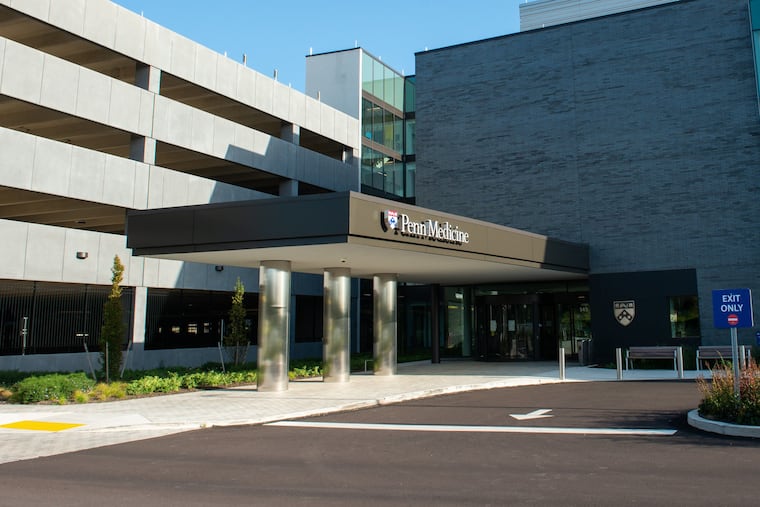
Since the area’s longtime hospital, Chester-Crozer Medical Center in Upland, closed last year, Smith said it’s been harder to find local health services for the women she works with.
Though the city is still home to a federally-qualified health center that’s seeing more new patients, emergency and specialty care in the city is scarce, and many neighbors say they’ve struggled to find new health providers since the closure.
“Things have changed drastically over the last year,” said Smith.