These are Philly health officials’ top priorities as they prepare for the city’s major summer events
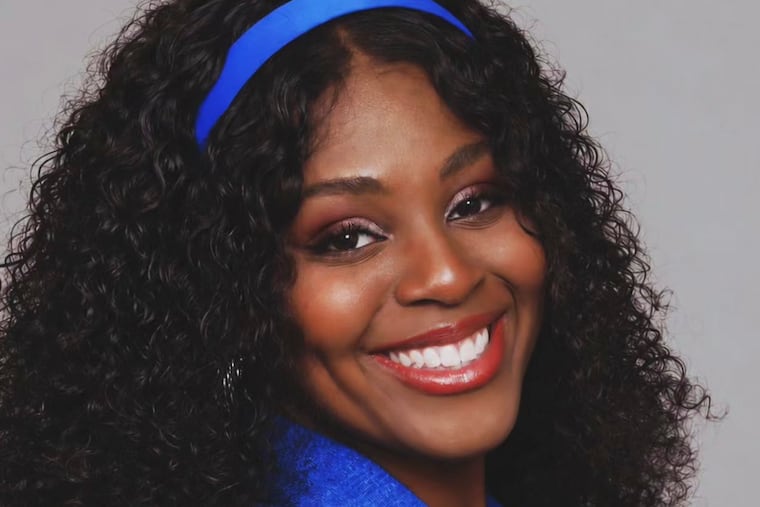
Health commissioner Palak Raval-Nelson and her counterparts in four other World Cup host cities discussed the health threats they’re focused on during the summer’s festivities.

Philadelphia public health officials are among those from cities around the United States that have prepared for months to host thousands of visitors at next month’s World Cup games.
Health officials in Philadelphia will be particularly busy: The city is also hosting celebrations for America’s 250th anniversary around July Fourth and the MLB All-Star Game on July 14.
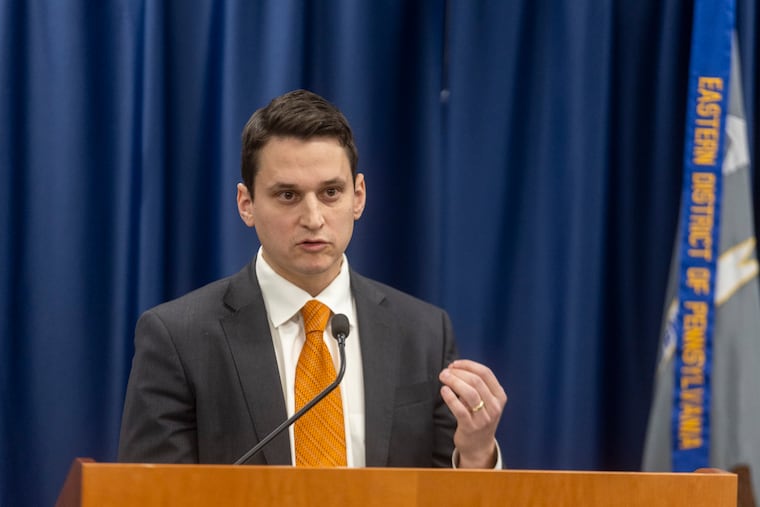
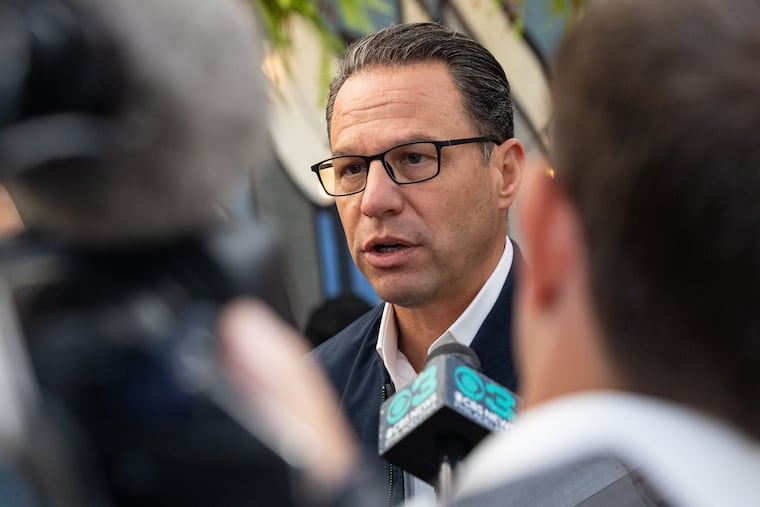
Health Commissioner Palak Raval-Nelson and her counterparts in four other World Cup host cities discussed the health threats they are focused on during the summer’s festivities at a Wednesday news conference hosted by the Big Cities Health Coalition.
Here are some of health officials’ top priorities as they monitor public health during the games.
Environmental health
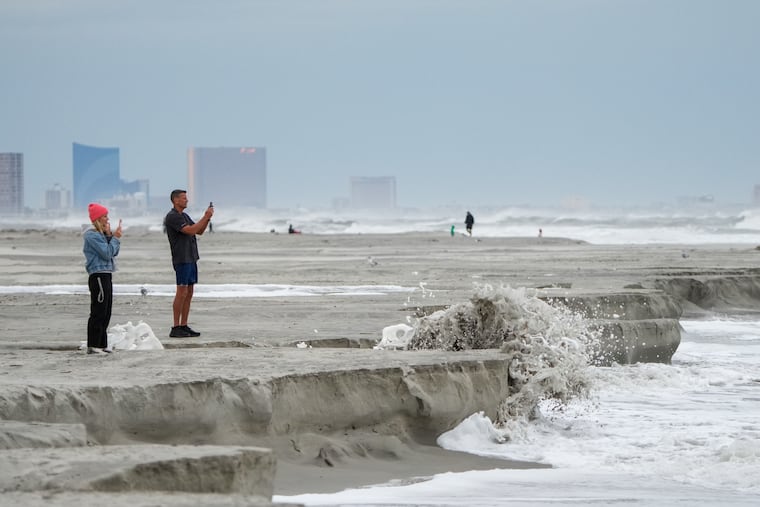
It is always possible a “black swan” event — a serious, unpredictable health crisis — could occur. But one of the most likely health concerns during the World Cup is the summer heat.
“Residents and visitors that come to Philadelphia will have to deal with our garden-variety public health issues,” Raval-Nelson said. “We know it will be hot. We know that there’s a good possibility that there will be poor air quality if there are wildfires.”
The city has a network of air quality monitors and a notification system to send alerts. For the World Cup, officials have set up a WhatsApp group to reach more international visitors and are prepared to issue alerts in 11 languages.
During intense heat, event spaces will also include cooling centers and fans to ensure visitors are not overheating, in addition to those routinely set up for residents without air conditioners.
Infectious disease
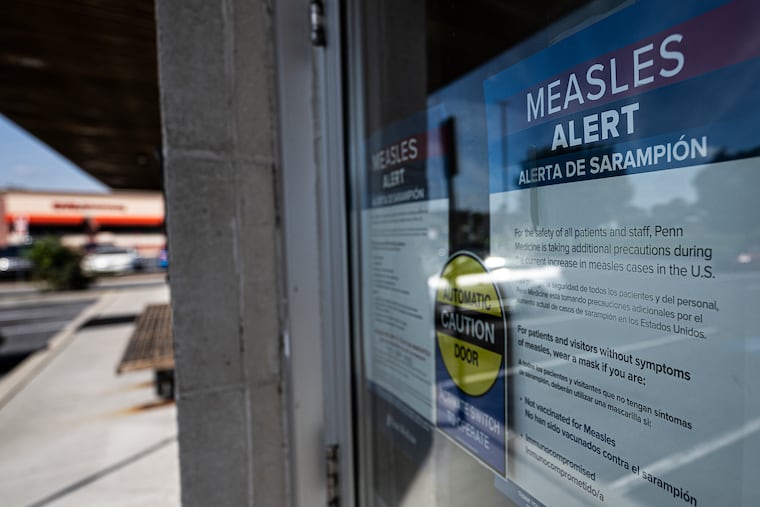
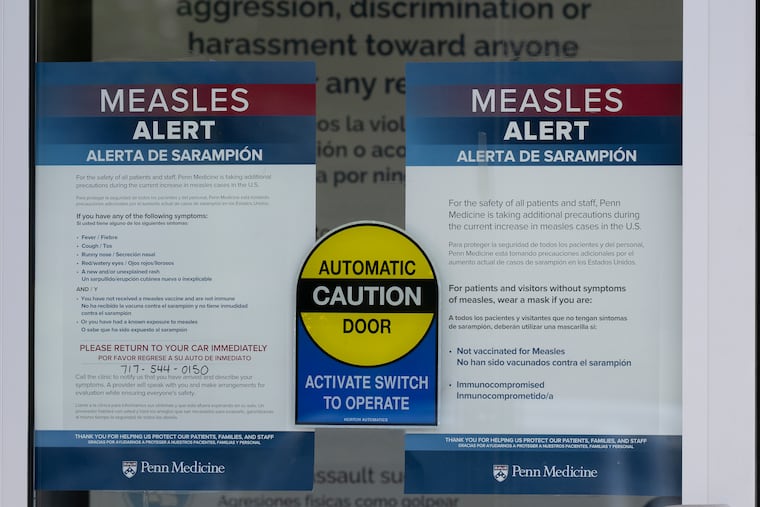
Health officials are monitoring several American travelers exposed to hantavirus after an outbreak on a Dutch cruise ship, and measles cases continue to rise in the United States. Raval-Nelson and other health commissioners said they are keeping tabs on a number of infectious diseases that could spread during the World Cup.
Philadelphia and other cities have stepped up wastewater testing for infectious diseases. Dallas health officials said they have also increased monitoring for mosquito-borne diseases like West Nile virus and Zika virus.
They are also aware that many fans plan to travel to different cities, following their teams. That means coordination among health officials across the country is key, said Marcus Plescia, Atlanta’s top health official.
“A fan might be here for a game in Atlanta and be exposed to something — let’s say measles, since that’s been so prevalent lately," he said.
“But by the time we’ve realized that, and started to look at who might be at risk, that fan might have traveled to Dallas to see their team playing there.”
Local health departments have handled most of the public health preparations for the World Cup. That is an additional burden on departments already dealing with precarious federal funding, Raval-Nelson and others noted.
Federal officials have helped local departments assess vaccination rates in countries likely to send visitors to the games, said Monica Roy, who heads the health department in Santa Clara, Calif.
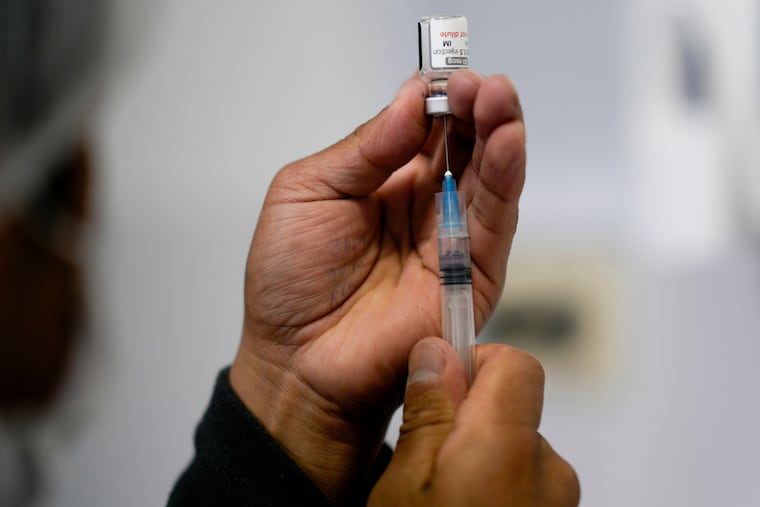
Public health officials are also advising residents and visitors to ensure they are up to date on vaccinations for measles, chickenpox, and other common diseases.
» READ MORE: More than 200 Philly-area schools vulnerable to measles outbreak
Food safety
Like other cities hosting World Cup matches and other major events this summer, Philadelphia expects many of its restaurants to host special events and extend hours during the celebrations.
That requires beefing up food safety measures. Besides its typical annual restaurant inspections, the city has an application process to review restaurants’ World Cup plans.
“We’re reviewing from a prevention lens — approving, disapproving, or helping them get into compliance prior to everything opening up,” Raval-Nelson said.