U.S. Senate to examine sports gambling’s ‘mental health crisis’
Americans wagered a record $165 billion on sports in 2025, while nearly 20 million people reported "problematic gambling behavior."
Legalized sports betting has swept through states across the U.S., reshaping fans’ and athletes’ relationship to their favorite pastimes along the way.
In 2025, Americans wagered a record $165 billion on sports.
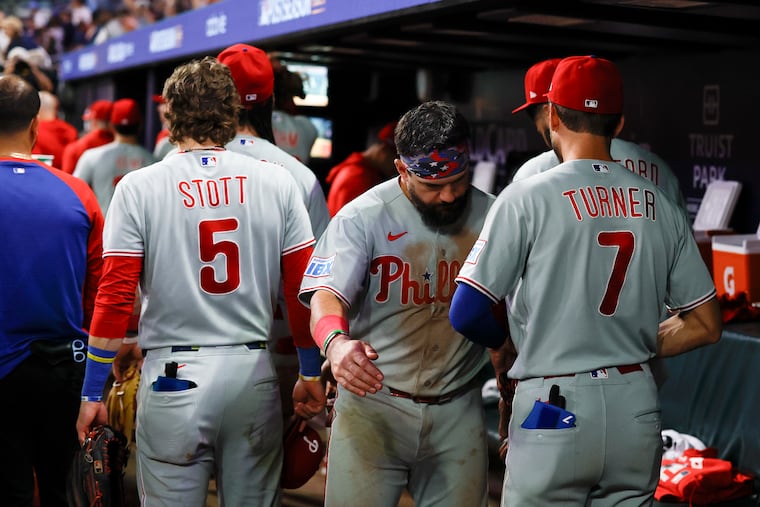
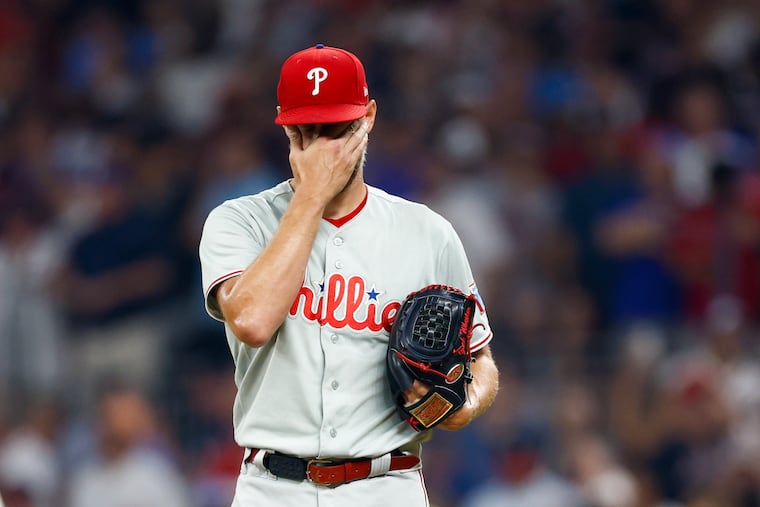
And during the last 18 months, federal authorities have indicted a pair of Major League Baseball pitchers, former NBA players and coaches, and Division I college basketball players in separate schemes to rig the outcomes of games.
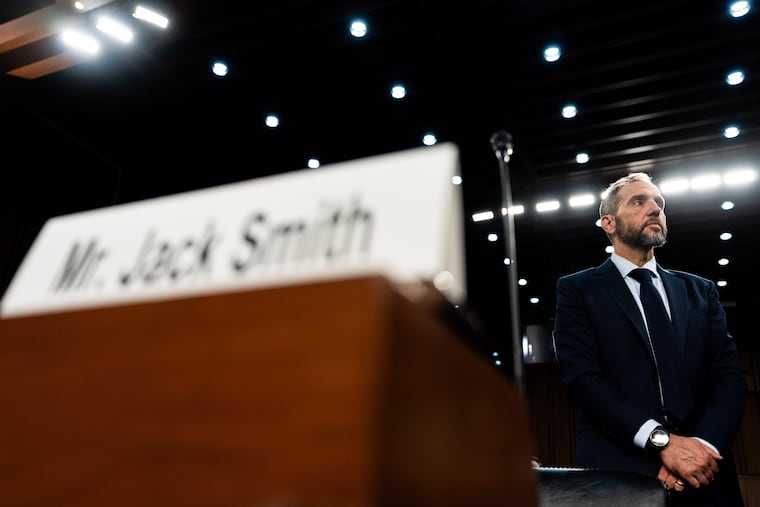
In response to those scandals, a U.S. Senate subcommittee has planned a hearing for Wednesday to examine the impact that the gambling industry’s growth has had on the integrity of professional sports.
Some of the individuals who are scheduled to testify in the Russell Senate Office Building are affiliated with the industry: the president of the American Gaming Association, a senior adviser to the Coalition of Prediction Markets, the executive director of a sports wagering council.
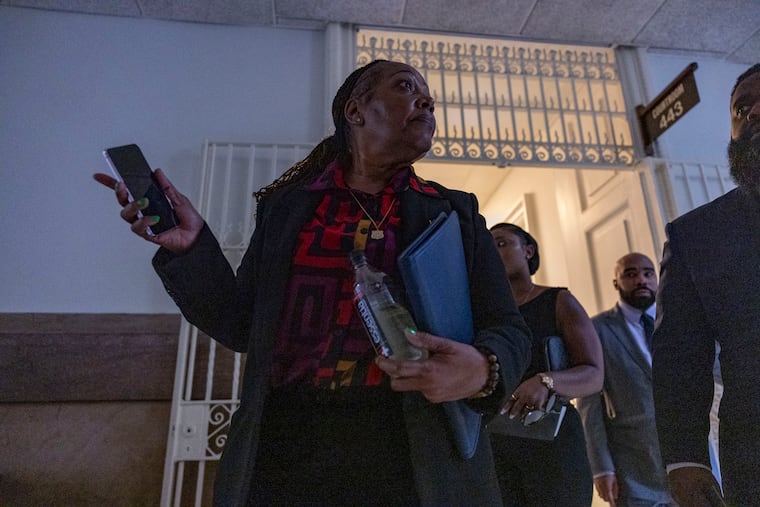
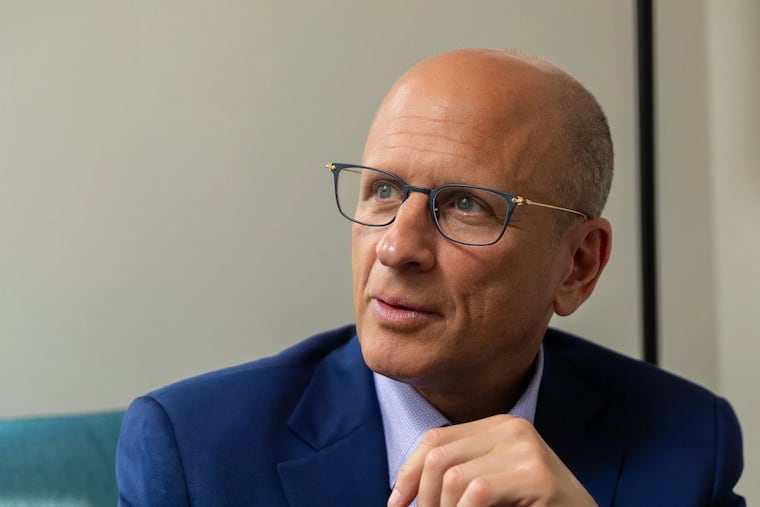
Senators will also hear from Harry Levant, a former Philadelphia attorney who has emerged as an incisive critic of the close relationship between sports leagues and gambling companies.
“The American public needs to understand how the leagues have monetized their data, and have monetized their relationship with gambling companies,” Levant said during a recent interview. “And they’re doing it on the backs of younger and younger Americans.”
Levant, 62, is the director of gambling policy for the Boston-based Public Health Advocacy Institute. The nonprofit earlier this year sued FanDuel Sportsbook and DraftKings in Philadelphia Common Pleas Court, alleging that the companies have capitalized on a service that was designed to be addictive by allowing customers to place countless microbets during a game.
U.S. Sen. Marsha Blackburn, (R., Tenn.,) the chair of the Senate Commerce Subcommittee on Consumer Protection, Technology, and Data Privacy, convened Wednesday’s hearing.
“As traditional online betting platforms and new entrants like prediction markets continue to intersect with sports, we need a clear understanding of how these platforms operate and what they mean for the integrity of the game,” Blackburn said last month.
‘You can do something with this’
The National Council on Problem Gambling found in 2025 that nearly 20 million Americans had reported experiencing “problematic gambling behavior” on multiple occasions during the previous year.
It’s a form of suffering that Levant understands intimately.
Born in East Oak Lane, Levant attended Temple University School of Law and went on to become a defense and personal injury attorney. He raised three children in the city’s Andorra section.
Those outward successes were gradually overshadowed by a deepening gambling addiction, which Levant traces to adolescence. He placed his first bet — with a bookie — at age 15.
To fund his habit as an adult, Levant began stealing money from his clients.
By 2014, he had embezzled nearly $2 million.
Levant voluntarily reported his crimes that year to the Philadelphia District Attorney’s Office. He was charged with third-degree felony counts of theft and forgery. He also surrendered his law license.
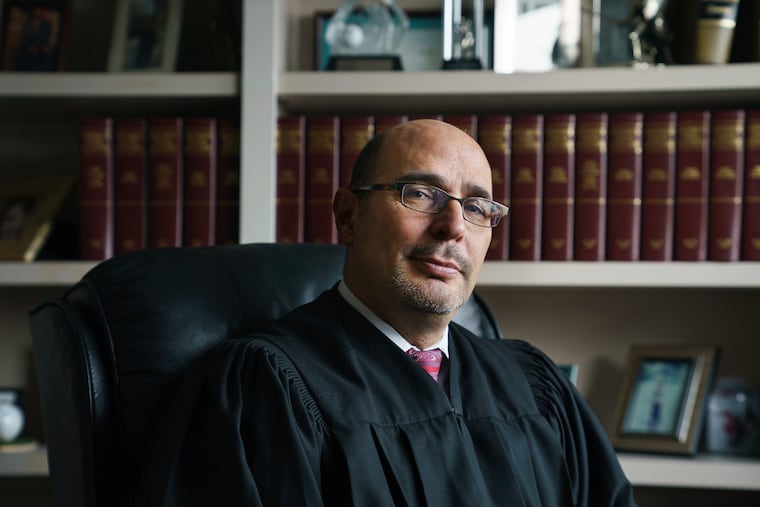
A year later, a Common Pleas Court judge sentenced Levant to 11 ½ to 23 months in prison but released him on parole, stipulating that Levant attend addiction counseling and pay restitution to his victims.
“The judge said to me, ‘This doesn’t have to be the end. You can do something with this,’” Levant recalled.
He started on a new path in 2018, enrolling at La Salle University, where he later earned a master’s degree in professional counseling.
That same year, the U.S. Supreme Court overturned the 1992 Professional and Amateur Sports Protection Act, which had limited legalized sports gambling to Nevada, Oregon, Montana, and Delaware.
Thirty-nine states and the District of Columbia adopted sports betting laws, and professional sports leagues that were once fearful of an association with gambling entered into partnerships with sportsbook companies including DraftKings and FanDuel.
In 2021, DraftKings introduced a new iteration of gambling on its platforms: microbets, which allow customers to wager on every play of a game.
Levant was treating patients who had gambling addictions, but felt that he needed to do more to meet the urgency of what he believed was a growing national epidemic.
“The promise I made at my sentencing hearing was that if I could get well, I would do everything in my power to prevent other people from suffering more,” he said.
Levant enrolled at Northeastern University in 2022 and pursued a doctorate in law and public policy.
Two years later, he began working for PHAI.
Levant said he is not necessarily opposed to legalized gambling. But he argues that betting companies employ strategies that amplify addiction, sending customers push notifications and promotional offers that are informed by their betting history data.
He is similarly troubled by prediction markets Kalshi and Polymarket, which are not regulated or taxed like traditional gambling companies and can be used by consumers as young as 18.
(An Army soldier was arrested earlier this year and accused of using confidential information about U.S. military plans to apprehend Venezuela President Nicolás Maduro to win more than $400,000 from Polymarket.)
The American Gaming Association, a national trade group that represents the casino industry, reported that a survey it conducted in 2025 found that 57% of adults in the U.S. had participated in some form of gambling during the previous year, while 21% had placed a sports bet.
According to the association’s study, 84% of sports bettors said they believe the industry is committed to combating problem gambling.
In Pennsylvania, calls to a help line — 1-800-GAMBLER — soared from 330 in 2021 to 1,171 in 2024. Meanwhile, between January and September 2025, companies spent $37 million on advertisements for online gambling in the Philadelphia area — more than any other media market.
Levant said he gets about a dozen emails a week from people who are seeking addiction help for themselves or a loved one.
“You know what they all have in common?” he asked. “Pain.”
‘A burgeoning movement’
The Senate subcommittee hearing is part of a larger flurry of legislative efforts to address growing alarm about gambling addiction, which Levant describes as a “mental health crisis” cascading across the country.
Earlier this month, U.S Sen. Richard Blumenthal (D., Conn.), U.S. Rep Paul Tonko (D., N.Y.), and four other members of Congress sent letters to the CEOs of 10 companies, including FanDuel, DraftKings, BetMGM, Kalshi, and Polymarket.
The lawmakers peppered the executives with questions about their operations, including whether they had been fined due to minors accessing their products, and how much of their revenue is derived from bettors who show signs of being problem gamblers.
The elected officials requested answers and a staff-level briefing by May 29.
Blumenthal and Tonko previously introduced the Supporting Affordability and Fairness with Every Bet Act, which would prohibit sportsbook advertising during live events and prevent companies from accepting more than five financial deposits from a customer in 24 hours.
“There’s absolutely no question in my mind that we’re seeing the intensification of a burgeoning movement,” Levant said. “I think the days of the gambling companies, the prediction markets, and the leagues acting with impunity to monetize [addiction] and call it revenue are coming to an end.”

The Inquirer’s journalism is supported, in part, by the Lenfest Institute for Journalism and readers like you. News and editorial content are created independently of The Inquirer’s donors. Gifts to support The Inquirer’s high-impact journalism can be made at inquirer.com/donate. A list of Lenfest Institute donors can be found at lenfestinstitute.org/supporters.